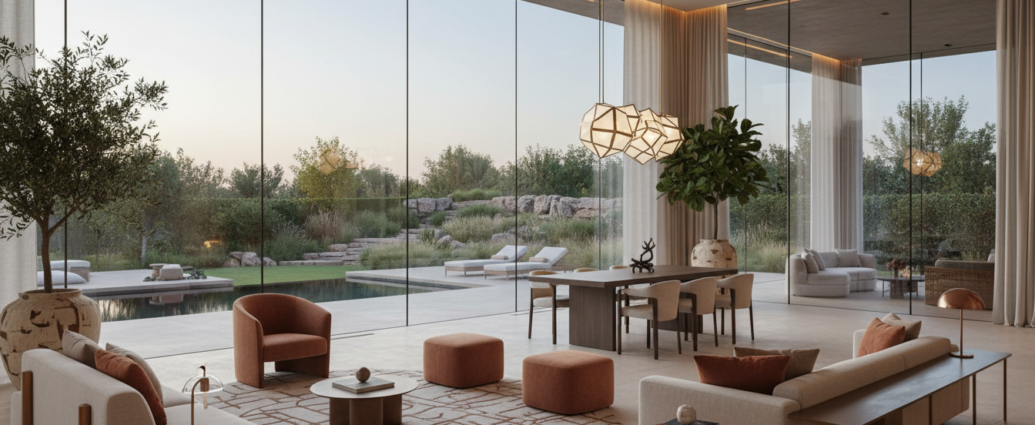
Remember that feeling of walking into a beautifully staged model home? Everything was perfect, but it didn’t feel like anyone actually lived there. Last month, my friend Sarah finally decided her own house needed a change. She was tired of her pristine, “don’t-touch-anything” living room.
She wanted a space that felt like a warm hug at the end of a long day. A place that told her family’s story. This shift in thinking is exactly what we’re seeing everywhere this year. The focus is moving from impressive displays to creating a sanctuary.
Forget about rigid rules. The most exciting movement is all about authenticity and comfort. We are redefining what a beautiful home means. It’s no longer just about the most expensive items.
It’s about thoughtful, purposeful spaces that bring you genuine joy. We’re embracing natural materials, handcrafted elements, and pieces with history. The goal is to create an environment that supports your daily life and evolves with you.
Get ready to explore how smart technology blends seamlessly with organic textures. We’ll show you how to build a home that is both cutting-edge and timelessly beautiful. Let’s dive in and create a space you’ll truly love living in!
Introduction
We’re witnessing a beautiful transformation in how people approach their living spaces. According to Vogue, these movements mirror our culture—showing what we value and how we want to feel each day.
Think of this as a fresh chapter in interior design. Your home becomes a true reflection of your lifestyle. We’re not suggesting a complete overhaul!
Instead, we’re exploring trends that can inspire your next project. Whether it’s a single room refresh or something bigger.
AV Architects + Builders notes that comfort and self-expression now outweigh sheer size. The modern approach to creating beautiful homes focuses on how spaces support your life.
You’ll notice a shift toward environments that embrace real living. They work with your routine, not against it. This is about creating genuine sanctuaries.
Let’s explore how these movements can help you build a space that feels both current and timeless. A place that brings you peace every time you walk through the door.
The Essence of Luxury Home Design in 2026
The future of beautiful living spaces is surprisingly quiet and deeply personal. It’s less about what you own and more about how your surroundings make you feel. This new approach to home creation centers on well-being and authenticity.
Defining Smart Luxury and Calm Confidence
AV Architects + Builders describes smart luxury as spaces that feel effortless. Your home should work with you, creating a natural flow that supports your day. This isn’t about flashy gadgets.
It’s about a calm confidence in your design. Think of a room that feels sophisticated yet wonderfully comfortable the moment you enter. The goal is an environment that whispers elegance.
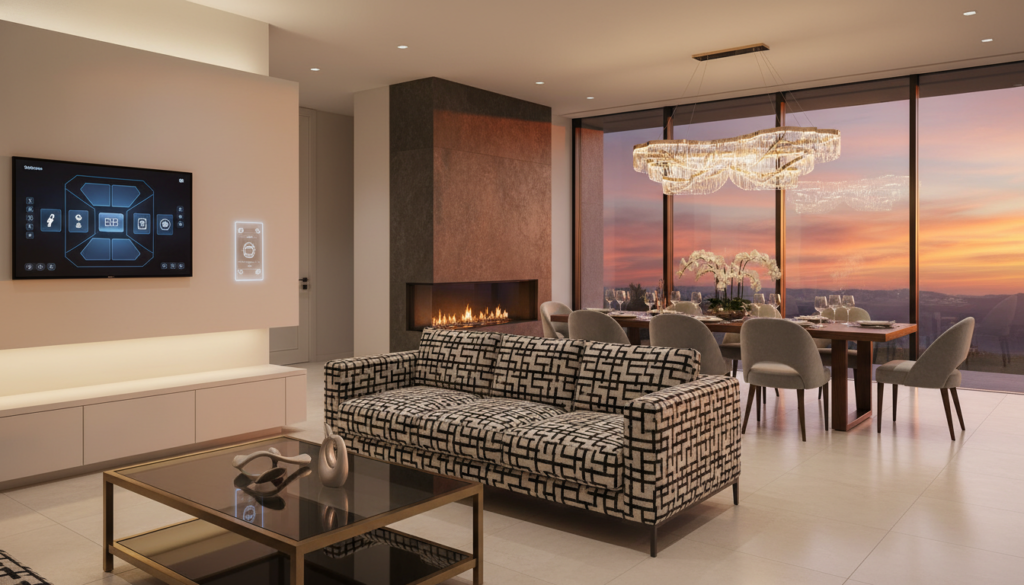
This philosophy aligns with the broader interior design trends moving toward relaxed sophistication. It’s a global shift we can all embrace.
Organic Materials and Sustainable Inspirations
Natural materials are now the stars of the show. We’re seeing a love for wood with visible grain, stone with unique textures, and fabrics that age gracefully. Homeowners are choosing character over flawless perfection.
This connection to nature brings a timeless comfort into your space. Large windows and open layouts blur the line between inside and out. The style celebrates honest, sustainable choices that feel truly luxurious.
Every element has a purpose, contributing to a peaceful and authentic atmosphere. It’s a thoughtful way to build a home that tells your story.
Top 2026 Luxury Design Trends to Watch
This year marks a turning point where authenticity takes center stage in home styling. We’re seeing a beautiful evolution in how people approach their living environments.
Trend Forecast and Cultural Impact
The cultural impact of current movements reflects our collective desire for warmth and genuine comfort. People are moving away from sterile perfection toward spaces that feel truly personal.
This shift emphasizes character over cookie-cutter designs. Homeowners now seek pieces with history and texture that tell authentic stories.
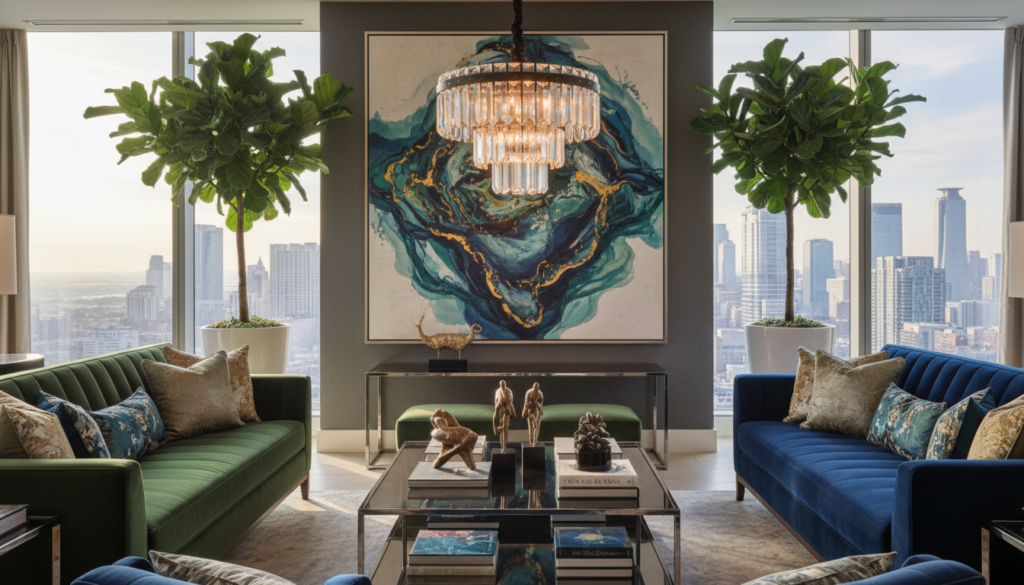
Insights from Leading Designers and Experts
Leading designers observe significant changes in how we share our spaces. Lucy Hammond Giles notes an “upswell of people showing their rooms as they’re actually used.”
Sophie Salata confirms that creating spaces that “truly feel like home” defines this year’s approach. Designers see homeowners embracing beautiful imperfections.
| Emerging Trend | Cultural Significance | Designer Insight |
|---|---|---|
| Lived-in authenticity | Desire for genuine comfort | Spaces that support real living |
| Tactile materials | Connection through touch | Develops character over time |
| Sustainable choices | Conscious consumption | Thoughtful sourcing essential |
Lived-In Interiors and Authenticity
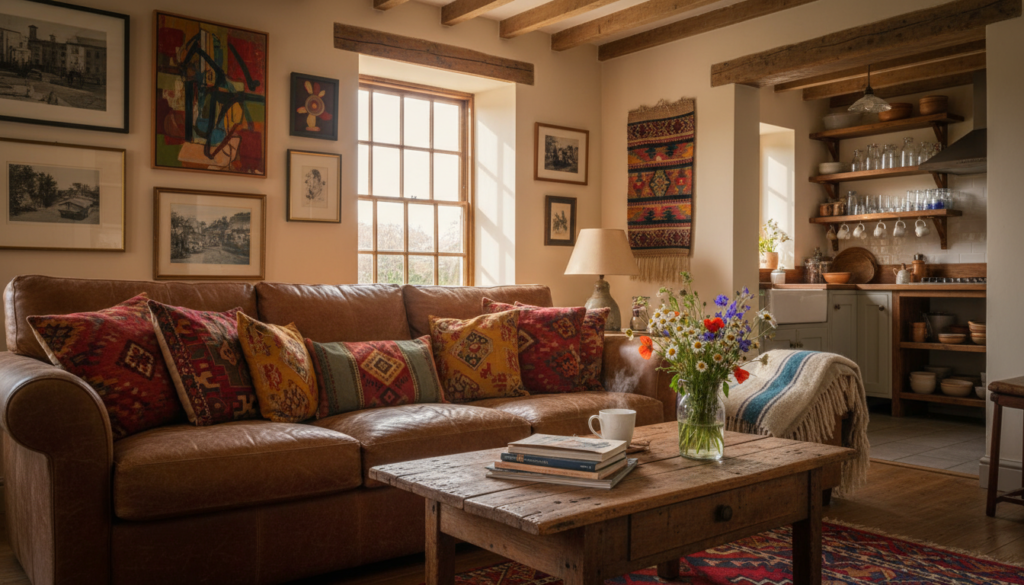
The quest for a picture-perfect home is giving way to a more rewarding goal: creating a space that feels genuinely yours. This movement celebrates interiors that are lived-in and loved. As Vogue highlights, this is a defining mood, moving beyond decor that’s just for a photograph.
Embracing Imperfection for True Comfort
True comfort comes from spaces designed to be used, not just seen. We’re embracing gentle clutter and beautiful imperfections. Think of a well-loved armchair or a stack of favorite books.
These elements tell your story. Designer Sophie Salata finds this approach especially inviting. Your home should support real life, not hide it.
Integrating Vintage Pieces and Storytelling Elements
Vintage furniture brings instant character and history. These pieces create a collection that develops over time. Mixing flea market finds with inherited treasures makes your rooms unique.
As Lucy Hammond Giles suggests, “Reuse, remake, repurpose—it gives pieces a completely new lease of life.” This is also a wonderfully sustainable choice. Your home becomes a canvas for your personal narrative.
The Evolving Kitchen Landscape
The kitchen is undergoing its most exciting evolution in decades, becoming more personal than ever before. We’re moving away from the matchy-matchy uniform look that dominated for years. Instead, we’re embracing a collected, intentional approach that feels like the rest of your home.
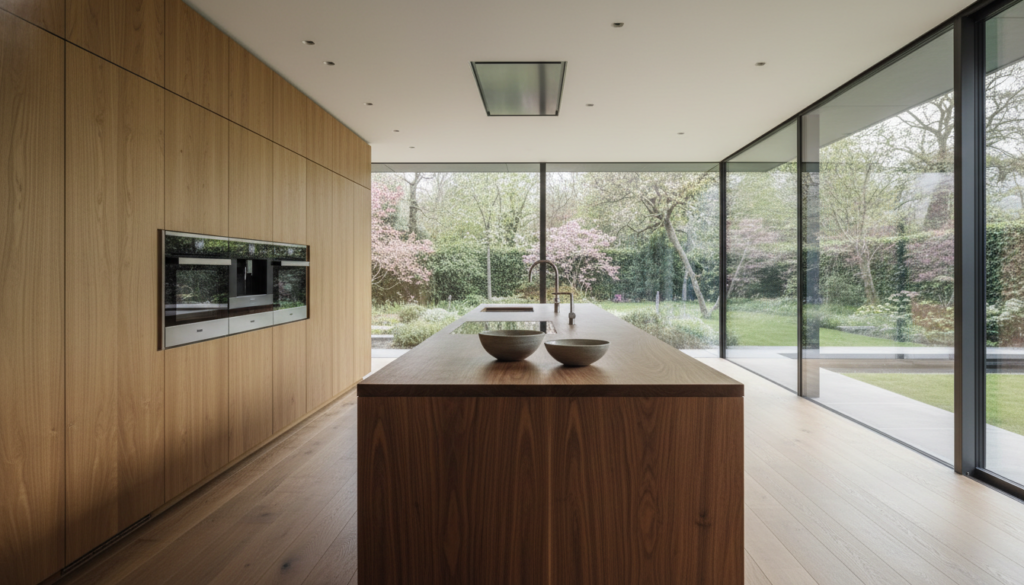
Unfitted Natural Wood and Bespoke Furnishings
Say goodbye to the fitted kitchen! As Patrick Williams of Berdoulat wisely asks, why treat your kitchen differently than other rooms? Natural wood is absolutely having its moment. Standalone pieces in oak, walnut, and Douglas fir bring incredible warmth and character.
These bespoke furniture pieces feature “living finishes” that actually improve with age. They develop a beautiful patina over time, making your kitchen feel more unique and loved. It’s a wonderful way to build a space with soul.
Multi-Functional Islands and Organic Finishes
The island is now the hardworking hero of the modern kitchen. It serves as a cooking station, dining spot, homework zone, and gathering place all in one! Function truly drives every choice.
We’re pairing natural wood with organic materials like stone and marble. These finishes create warm, inviting rooms that feel grounded. Clever hidden storage keeps countertops clear, maintaining that clean, relaxed aesthetic we all love.
This new approach reflects how we actually live—creating informal, flexible spaces where families connect throughout the day. Your room should work for you, not the other way around!
The Rise of Textile Art and Wall Hangings
We’re seeing a beautiful revival of textile art that brings soul and softness back to our living spaces. Christian Bense notes the growing interest in tactile forms like tapestries, saying this medium “feels at home in both traditional and contemporary interiors.”
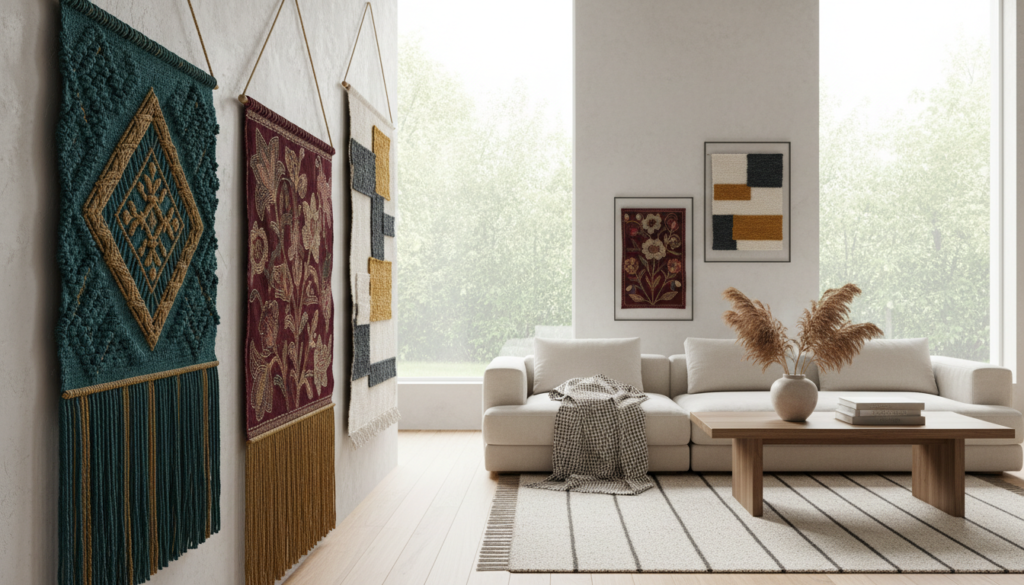
Rachel Chudley perfectly captures why this movement resonates: “The world feels rather cold and dark at the moment, and everyone wants warmth and coziness.” Textile works on your walls create exactly that comforting atmosphere.
“Creative, textural works on walls help achieve warmth and coziness that everyone wants right now.”
From modern mohair tapestries to handmade quilts, these pieces transform bare walls into cozy focal points. They work beautifully in any style of rooms, adding depth to your interior design.
| Art Type | Emotional Impact | Best For |
|---|---|---|
| Traditional Framed Art | Visual appeal, formal | Gallery walls, offices |
| Textile Wall Hangings | Tactile warmth, cozy | Living spaces, bedrooms |
| Personal Textile Pieces | Emotional connection | Intimate rooms, entryways |
Your textile art collection can include anything from custom tapestries to family heirlooms. Christabel MacGreevy’s wall quilt made from her grandmother’s tablecloth shows how personal these pieces can be.
When hanging, skip the glass to appreciate the texture. Mount directly on walls or suspend from simple metal poles. This preserves the organic quality that makes textile art so special in your rooms.
Impact of Wood: Richness and Warm Narratives
The warmth and character of natural wood are transforming living spaces everywhere. We’re moving beyond the pale, uniform finishes that dominated recent years. Instead, we’re embracing wood with soul and history.
Lauren McGrath of Studio McGrath confirms that darker-toned woods are making a strong return. The key isn’t just the color—it’s the character that makes each piece unique.
Darker Tones and Reclaimed Finishes
Think reclaimed pieces, burl styles, and well-worn vintage plinths. Katie Harbison suggests these choices create interiors that feel layered and personal. Google searches for “burl wood furniture” have skyrocketed by over 5,000%!
This proves people crave materials with genuine character. Tiffany Duggan notes the parallel rise in chunky, vintage Brutalist furniture. These pieces have heft, patina, and serious presence.
Combining Wood with Metal and Stone Accents
The magic happens when you mix wood with contrasting materials. Brushed metals and natural stone create beautiful balance. This combination brings both warmth and sophistication to your space.
These finishes work beautifully with warmer color palettes. They help create interiors that feel grounded and inviting. Your home becomes deeply connected to natural beauty!
Tactile Metalwork & Decorative Detailing Trends
The way we think about metal in our homes is getting a major upgrade. It’s no longer just for drawer pulls or light fixtures. Designer Marta de la Rica explains that metal is now taking center stage as a sculptural and emotional material.
We’re moving beyond the industrial look. The new approach celebrates metal as something meant to be touched and appreciated.
Sculptural Metals and Subtle Finishing Touches
Think of metal furniture as functional art. These pieces develop a beautiful patina over time, telling a story of use. The secret to a great interior is contrast.
Pairing metal with soft stone or linen creates balance and warmth. This style makes any space feel more grounded and human.
Decorative elements are also having a moment. Experts like Rose Hanson and Charlotte Tilbury love using fringing and tassels. These details add a custom, luxurious feel to sofas and cushions.
Phoebe Hollond notes that opulent tassels are replacing mass-produced scalloped edges. It’s an easy way to add personality and craftsmanship.
| Metal & Detail Type | Best Use In Your Space | Emotional Impact |
|---|---|---|
| Sculptural Metal Furniture | Statement coffee tables, bed frames | Adds artistic depth and character |
| Contrasting Material Pairings | Metal legs on a wood table, stone top on a metal console | Creates a balanced, sophisticated feel |
| Decorative Fringing & Tassels | Upholstery, curtains, cushion edges | Introduces warmth and a personalized touch |
Art and Statement Pieces: Beyond Extravagance
Some of the most exciting design moments happen when we break the rules of practicality. This year, we’re embracing pieces that bring pure joy rather than just serving a function. Your space becomes more personal when you include items that simply make you happy.
Occasional Sofas and Bold Art Installations
Jodie Hazlewood, founder of The House Upstairs, calls the “occasional” sofa the must-have furniture piece. Unlike your main living room sofa, this smaller delight goes in unexpected spots like hallways or bedrooms. It’s all about comfort and visual fun!
Vintage sofas work perfectly here. They’re often smaller and get new life with fresh upholstery. You can play with bold fabrics and interesting shapes without redoing your entire room.
When it comes to your walls, think big. Emma Lang’s SOTA XL Print Collection offers oversized works up to two meters wide. These striking pieces fill empty walls at a fraction of gallery prices.
“Creative, textural works on walls help achieve warmth and coziness that everyone wants right now.”
Vogue highlights favorites like Frankie Penwill’s Tomatoes in a Red Bowl and Richard Heeps’s Karma, Milan, 2018. These become conversation starters that define your space.
Here’s our best tips: choose art and pieces that express your personality. Don’t worry about perfect matching. That mix creates genuine visual interest in every room of your home. The right art installation can transform a boring wall into a breathtaking focal point.
Integrating Smart Home Technologies & Eco-Friendly Features
The most exciting technology in modern homes is the kind you barely notice working behind the scenes. AV Architects + Builders explains how smart thermostats and voice-controlled systems create comfort without visual clutter. These features support your daily routine seamlessly.
Invisible Automation and Modern Energy Systems
Modern energy systems have become incredibly sophisticated. Solar-ready roofs and battery storage now come standard in quality builds. These systems track patterns and adjust in real time.
Smart lighting uses LED zoning to create perfect ambiance while cutting energy use. Security and climate control adjust automatically to your preferences. Homeowners enjoy both comfort and significant utility savings.
Sustainable Materials and Eco-Conscious Upgrades
Eco-friendly features are no longer luxury additions. Low-flow fixtures and rainwater collection systems are becoming expected in quality homes. Margaret Wood from Corcoran HM Properties sees buyers prioritizing these sophisticated features.
According to Veranda/Zillow, searches for zero-energy homes have surged 70%. Whole-home batteries and EV charging show similar growth. Sustainable materials and smart kitchen appliances enhance daily living beautifully.
Modern interior design seamlessly blends technology with aesthetics. Motorized glass door systems and heated floors work effortlessly. Your lighting and climate systems protect both your comfort and the environment.
| Traditional Home Systems | Modern Smart Features | Benefits for Homeowners |
|---|---|---|
| Manual thermostat control | Voice-activated climate systems | Energy savings up to 30% |
| Standard incandescent lighting | LED zoning with smart controls | Custom ambiance in every room |
| Basic water fixtures | Low-flow and graywater systems | Reduced water bills |
| Conventional security | Automated monitoring systems | Peace of mind |
Today’s interior design philosophy makes technology an invisible partner. Lighting systems adapt to your mood while conserving energy. These thoughtful features create homes that are both beautiful and brilliantly functional.
Creating Lifestyle-Centered & Multi-Functional Spaces
The true magic of a modern home lies in how its spaces adapt to your family‘s daily rhythm. AV Architects + Builders explains that the best designs now revolve around how people truly live. Your floor plan should support wellness, productivity, and connection.
Work-from-Home Zones and Wellness Areas
Remote work setups have evolved way beyond a simple desk in a spare room. Many homeowners now create flexible spaces with acoustic walls and integrated lighting. Some designs even feature dual work zones for couples.
Wellness areas are becoming essential rather than optional. We’re seeing yoga rooms, home gyms, and even cold plunge areas built into residential layouts. Health is no longer an afterthought—it’s part of daily living.
Flexible Layouts that Support Daily Living
Kitchens and dining areas are moving to the center of home design. They create social hubs where families cook, eat, and connect. Walk-in pantries often double as prep areas, keeping the main kitchen organized.
Entertainment rooms now serve multiple purposes. Today’s media room might host gaming, streaming, and small gatherings. The emphasis is on flexibility—spaces that adapt to your changing needs.
| Traditional Room Use | Multi-Functional Approach | Benefits for Families |
|---|---|---|
| Dedicated home office | Convertible work/wellness space | Adapts to remote work and self-care |
| Formal dining room | Open kitchen/dining hub | Encourages shared meals and connection |
| Single-purpose media room | Multi-use entertainment area | Supports gaming, fitness, and gatherings |
Natural light is carefully planned into these living areas. The positioning makes spaces feel energizing during work hours and relaxing during downtime. Your home should work with your rhythm, not against it!
Transitioning from Overdone Trends to Thoughtful Designs
Have you noticed how some design approaches that once felt fresh now seem tired and overused? We’re seeing a meaningful shift toward creating spaces that feel authentic rather than simply fashionable.
Moving Beyond Minimalism and Flat Color Schemes
The stark minimalism that dominated recent years is giving way to warmer, more personal interiors. AV Architects + Builders notes that bare, cold spaces no longer appeal to homeowners craving warmth.
Gray color schemes have reached their saturation point. People are embracing earthier tones that create depth and comfort. This reflects a broader move away from flat neutrality.
Even the popular minimal living room design approach is evolving. Clean lines remain important but now balance with texture and personality.
Prioritizing Character over Square Footage
Anna Rogers from Dorsey Alston Realtors observes clients choosing smaller homes with more character. Walkability is becoming the new luxury over sheer size.
The completely open floor plan is being reconsidered. “Zoned living” with flexible divisions provides privacy while maintaining flow. This creates more intentional spaces.
Mass-produced décor is losing ground to handmade pieces and personal collections. People want elements that tell their unique story rather than copycat furniture.
“Quality matters more than ever, with buyers recognizing the difference between genuine craftsmanship and quick finishes.”
| Outdated Approach | Emerging Trend | Key Benefit |
|---|---|---|
| Cold minimalism | Warm, textured spaces | Personal connection |
| Gray color schemes | Earthy, warm tones | Depth and comfort |
| Open floor plans | Zoned living areas | Privacy and purpose |
| Mass-produced items | Handmade collections | Unique character |
| Square footage focus | Neighborhood connection | Community integration |
The best house isn’t the biggest—it’s the one that feels curated and supports how you want to live. True quality and thoughtful design create spaces you’ll love for years.
Conclusion
What an incredible opportunity lies ahead for creating spaces that truly serve your life! As AV Architects + Builders notes, we’re seeing a beautiful shift from focusing on appearance to prioritizing genuine experience in our homes.
The most exciting design choices balance beauty with function. They bring together natural materials, smart systems, and personal touches that tell your unique story. Your home should adapt to you, not the other way around.
Remember, true luxury now means living comfortably and with purpose. Whether you’re adding textile art to your walls or choosing warmer color palettes, each element contributes to a space that feels authentically yours.
Start with one room, one piece of furniture, and watch how thoughtful choices transform your entire environment over time. We’re cheering you on as you create a house that celebrates who you are and brings joy every day!