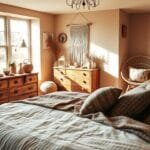
As we approach 2026, interior design is undergoing a fascinating evolution that reflects our changing relationship with home spaces. The coming year promises a blend of thoughtful craftsmanship, technological integration, and a renewed appreciation for authenticity. At Design & Dwelling, we’ve consulted with leading industry experts to identify the defining aesthetic movements that will shape our homes. These aren’t just fleeting fads—they’re meaningful shifts in how we think about the spaces we inhabit.
Lived-In Luxury: The Authenticity Movement
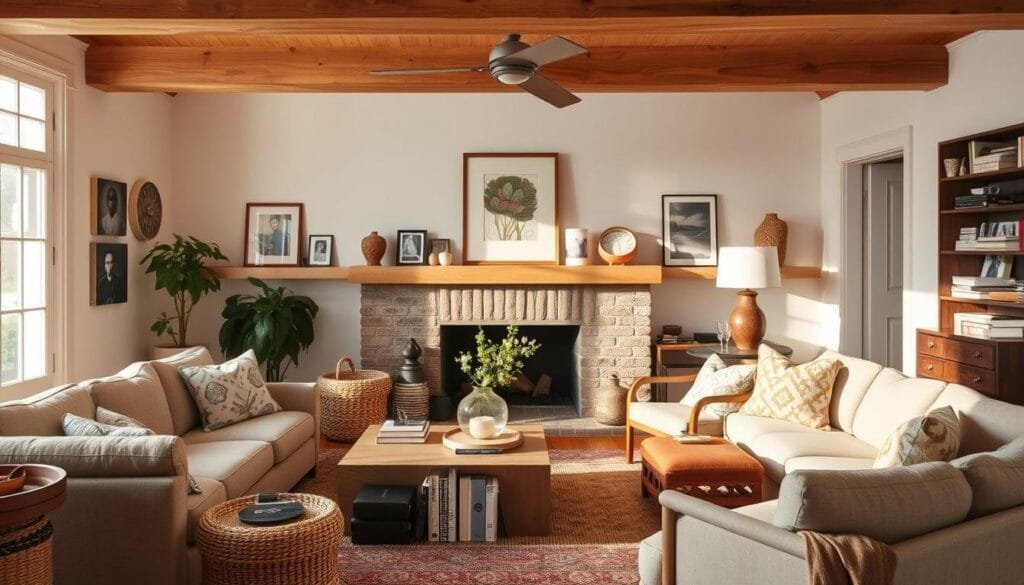
Perhaps the most significant shift for 2026 is the decisive move away from the pristine, catalog-perfect interiors that dominated social media. Designers are embracing spaces that feel genuinely inhabited and evolved over time—rooms that tell a personal story rather than following a rigid template.
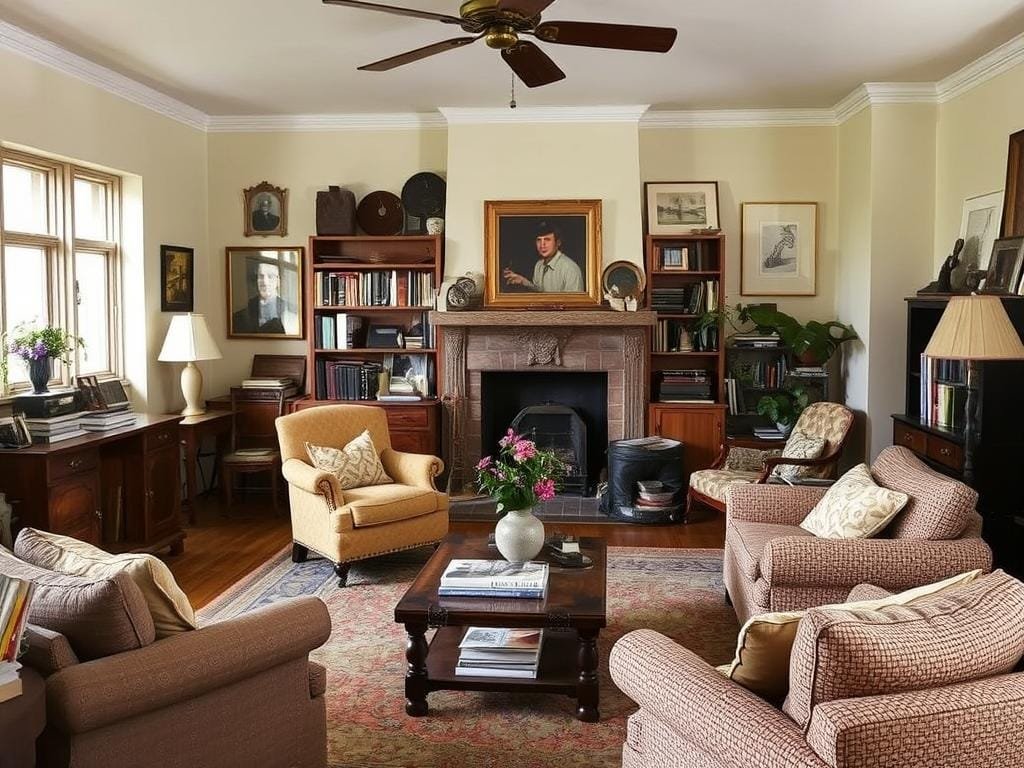
“There’s a real upswell of people showing their rooms as they’re actually used and lived-in,” notes interior designer Emma Thornton. “The most compelling spaces in 2026 will be those that embrace gentle imperfection and the natural patina that comes with use.”
Key Elements:
- Furniture with visible history and character
- Layered textiles that show signs of comfortable use
- Personal collections displayed with intention
- Spaces that accommodate real life rather than fighting against it
How to Incorporate:
Mix vintage pieces with contemporary elements to create a space that feels collected over time. Don’t be afraid of slight imperfections or signs of wear—these add character and soul to your home. Display personal collections and meaningful objects rather than generic decorative items.
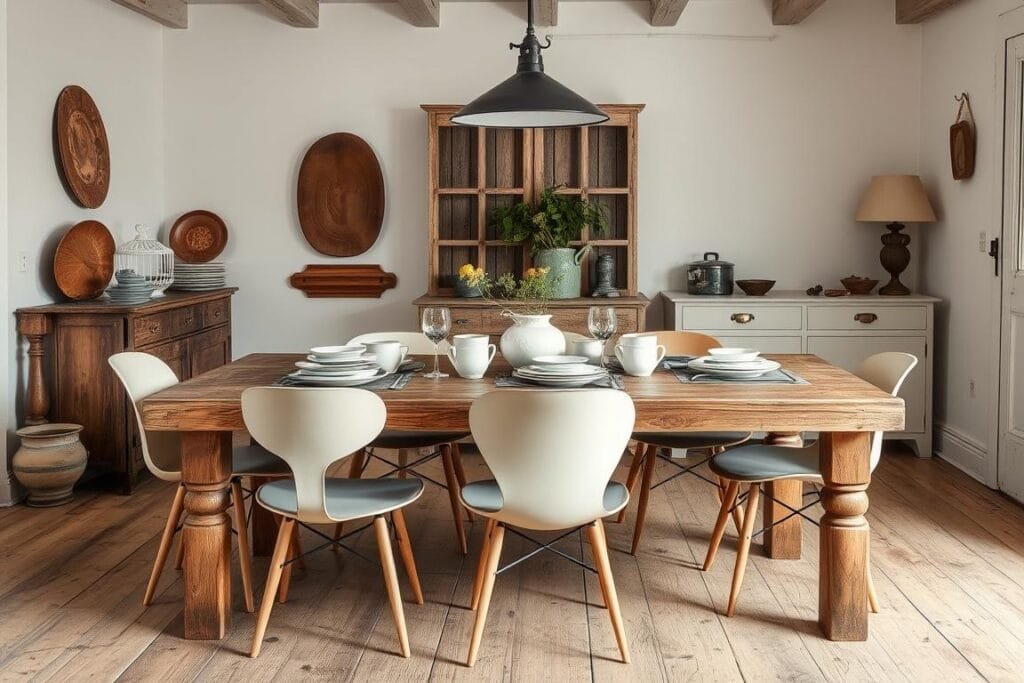
Biophilic Integration 2.0
While biophilic design has been gaining momentum for years, 2026 takes this connection with nature to new depths. Rather than simply adding plants to a space, designers are incorporating natural elements in more structural and immersive ways.
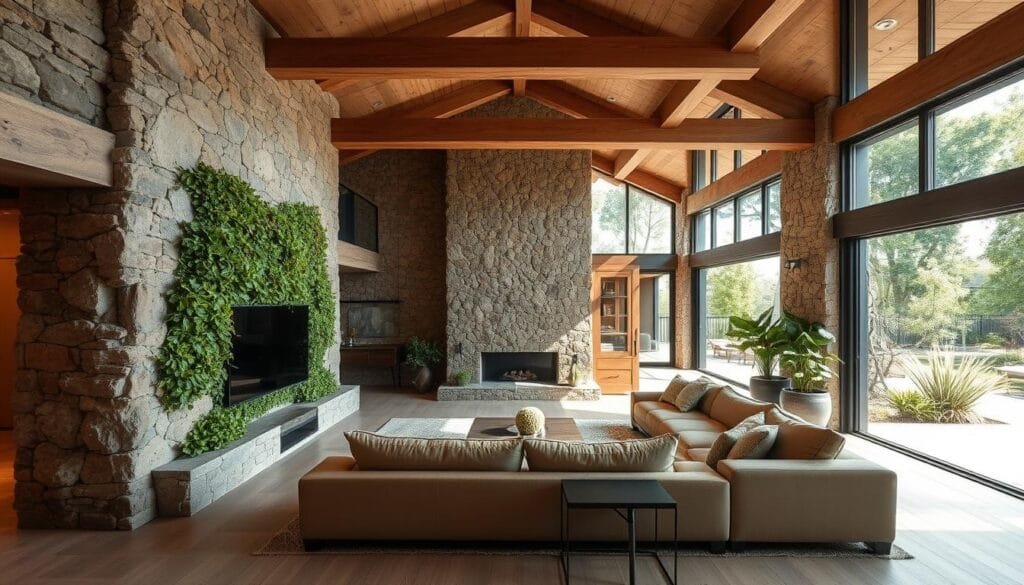
“We’re moving beyond decorative plants to think about how natural materials, light patterns, and organic forms can fundamentally shape our experience of a space,” explains sustainable design expert Marcus Chen.
Key Elements:
- Architectural features that mimic natural forms
- Materials with minimal processing that showcase natural patterns
- Lighting designed to shift throughout the day, mimicking natural rhythms
- Intentional sightlines to outdoor spaces
How to Incorporate:
Choose furniture with organic shapes and natural materials like wood, stone, and clay. Position seating to take advantage of natural views. Consider how light moves through your space throughout the day and enhance these natural patterns rather than fighting against them.
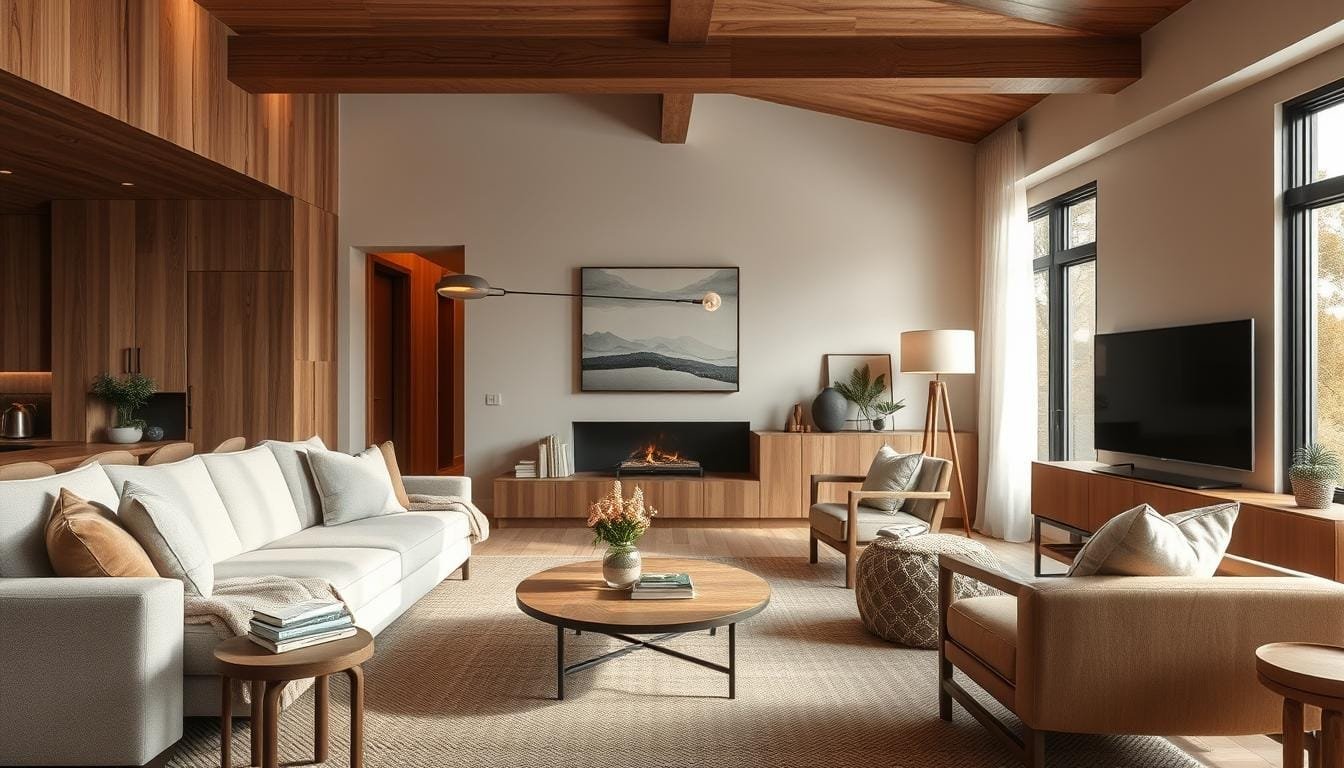
Warm Minimalism: The New Restraint
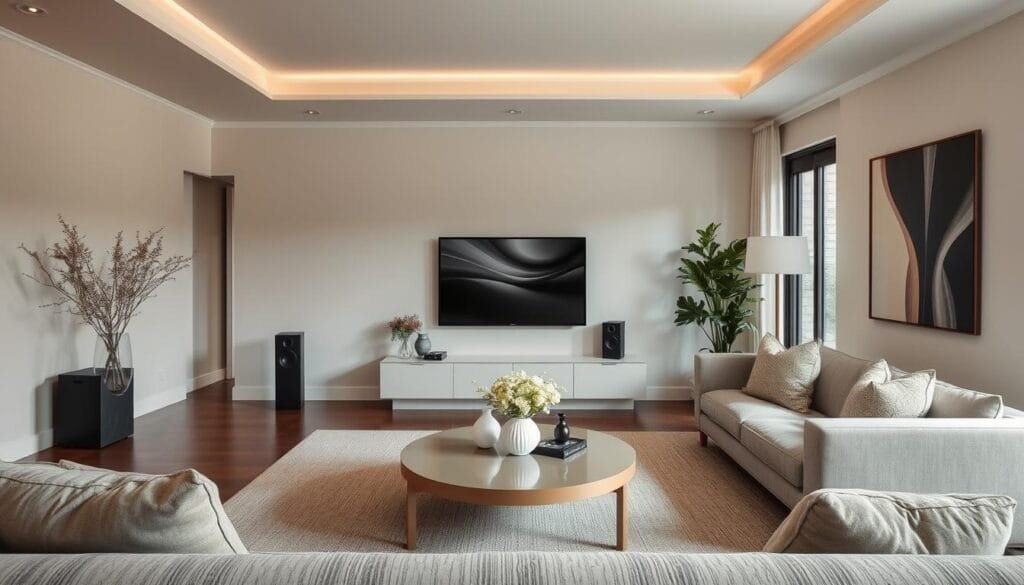
The stark, cold minimalism of previous decades is giving way to a warmer, more tactile approach. This evolved minimalism maintains clean lines and thoughtful restraint but incorporates rich textures and warm tones that create emotional resonance.
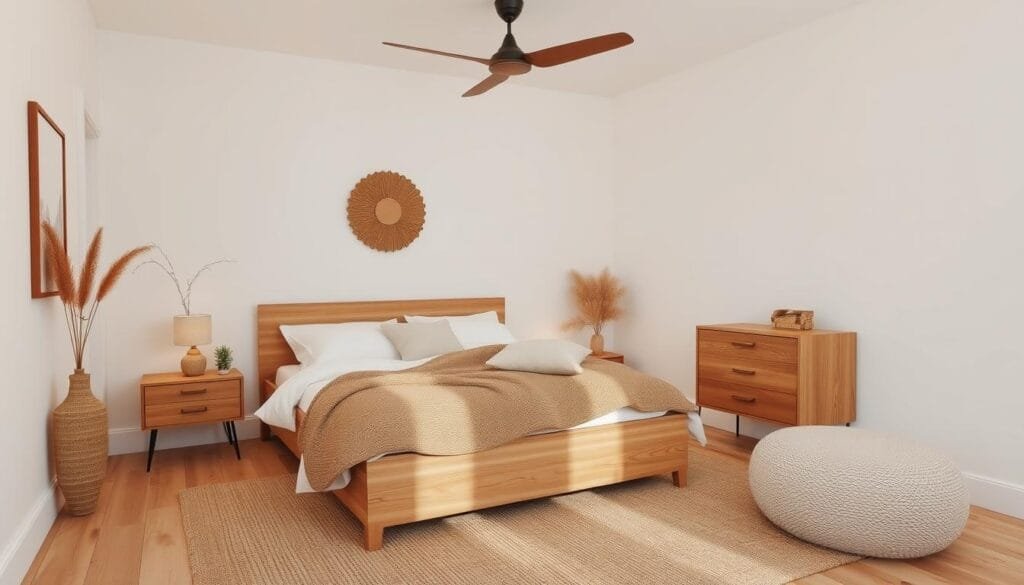
“The new minimalism isn’t about emptiness—it’s about intentionality,” says designer Olivia Reyes. “Every element serves both a functional and emotional purpose, creating spaces that feel both serene and deeply comforting.”
Key Elements:
- Tactile natural materials like brushed wood, textured plaster, and honed stone
- Warm neutral color palettes with subtle depth
- Carefully considered furniture with both visual lightness and physical comfort
- Thoughtful negative space that creates visual calm
How to Incorporate:
Focus on quality over quantity, choosing fewer pieces with exceptional craftsmanship and comfort. Incorporate varied textures in similar tones to create visual interest without clutter. Consider the emotional impact of each element in your space.
Artisanal Revival: Celebrating Craftsmanship
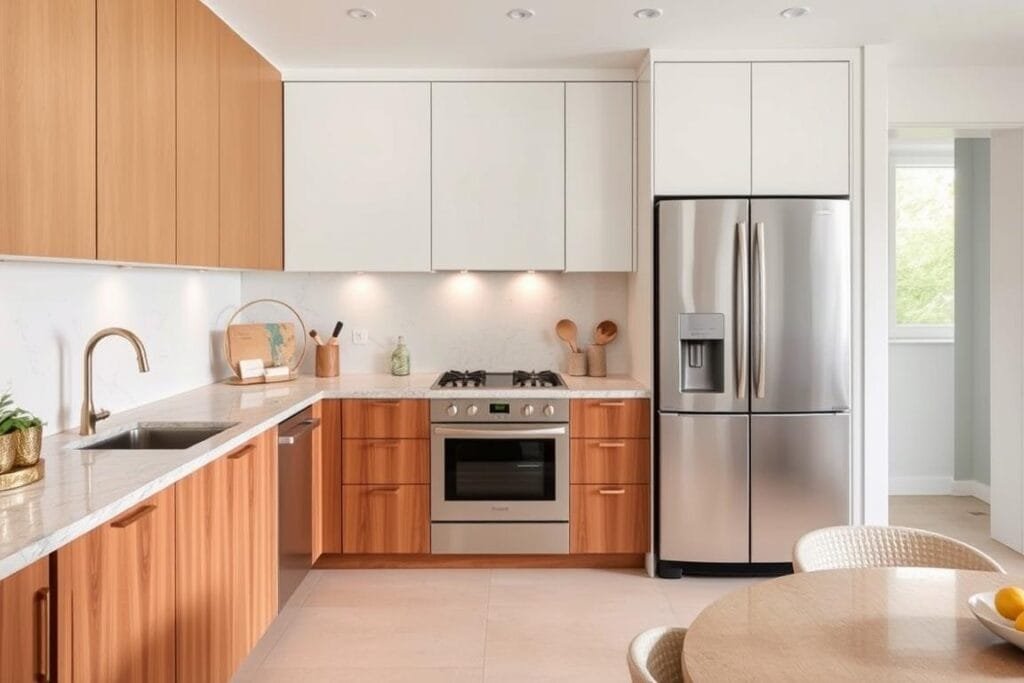
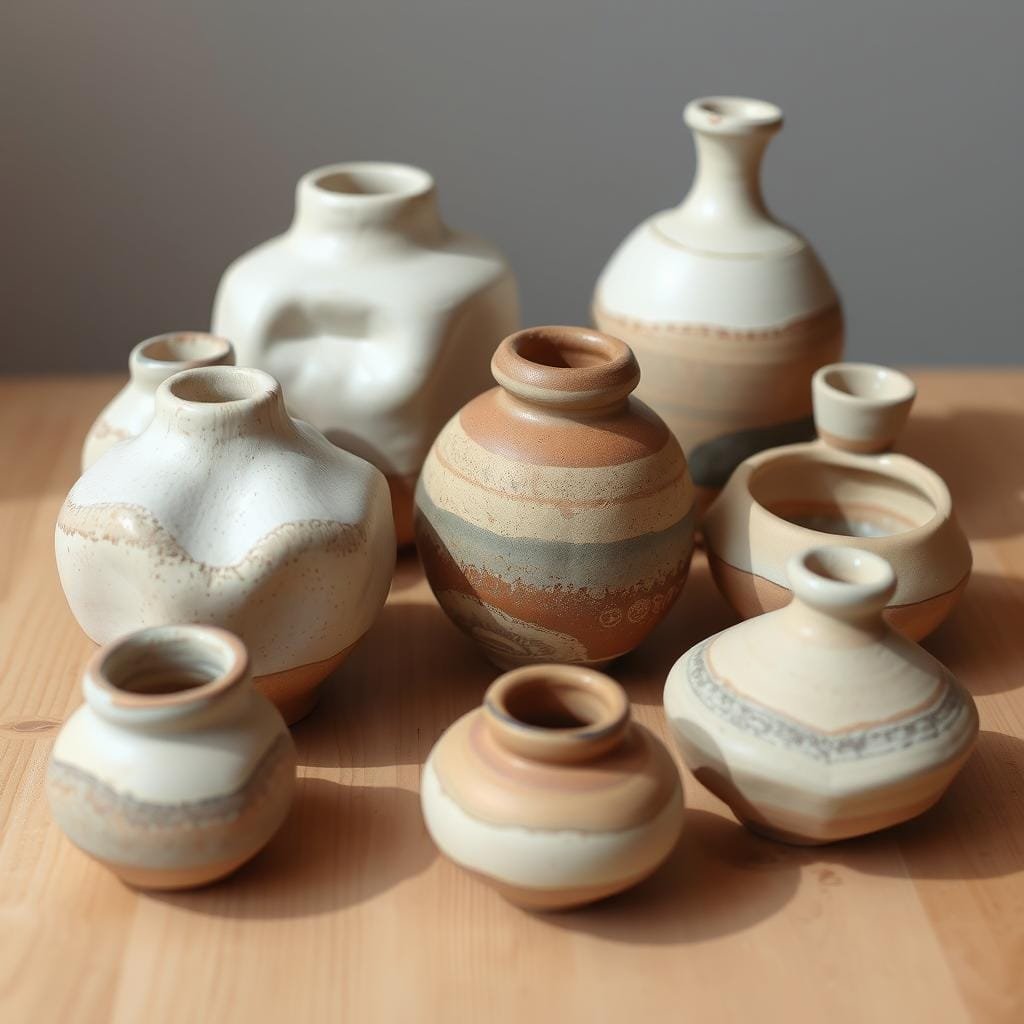
As technology becomes increasingly embedded in our lives, there’s a counterbalancing desire for objects with visible human touch. The artisanal revival of 2026 celebrates handcrafted elements that showcase the maker’s skill and carry cultural narratives.
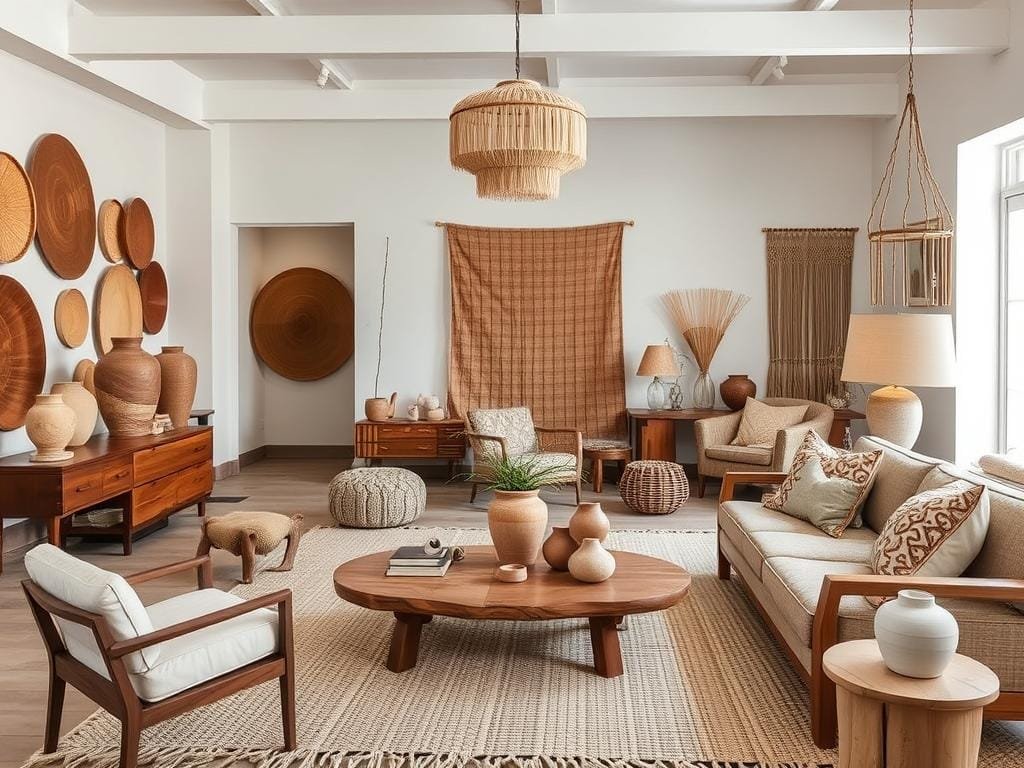
“There’s something deeply satisfying about surrounding yourself with objects that carry the imprint of their maker,” notes craftsman and designer James Moreno. “These pieces connect us to human creativity in a way that mass-produced items simply cannot.”
Key Elements:
- Handcrafted furniture with visible joinery and thoughtful details
- Textiles with traditional techniques reimagined for contemporary spaces
- Ceramics and objects that showcase the maker’s hand
- Materials allowed to express their natural characteristics
How to Incorporate:
Invest in statement pieces from local artisans or global craftspeople with traditional skills. Mix handcrafted elements with more streamlined pieces to create balance. Look for objects with a story behind their creation.
2026 Color Palette: Earthy Sophistication
The color story for 2026 centers around sophisticated earthy tones with occasional jewel-toned accents. These palettes create spaces that feel grounded yet refined.
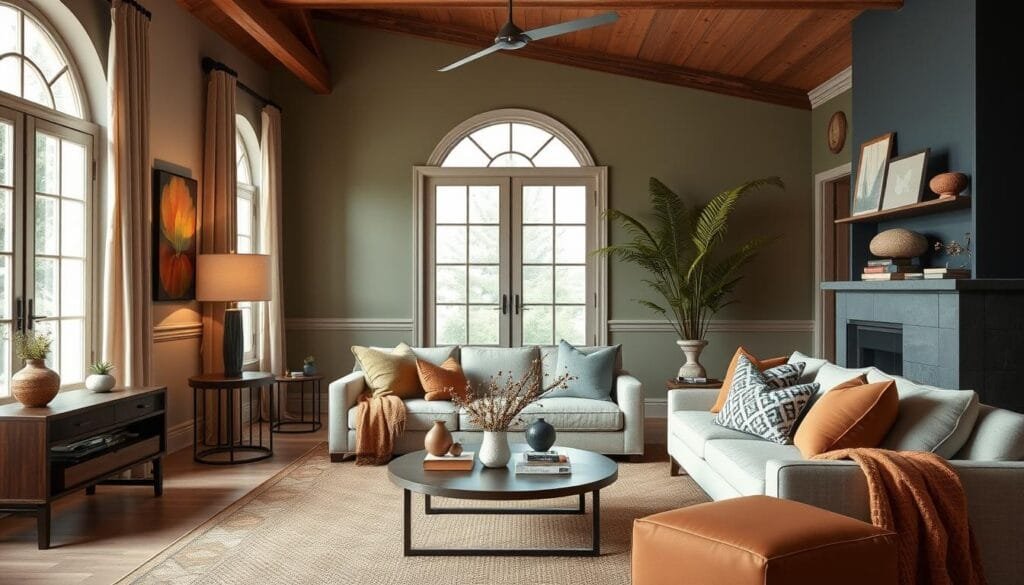
Key Colors:
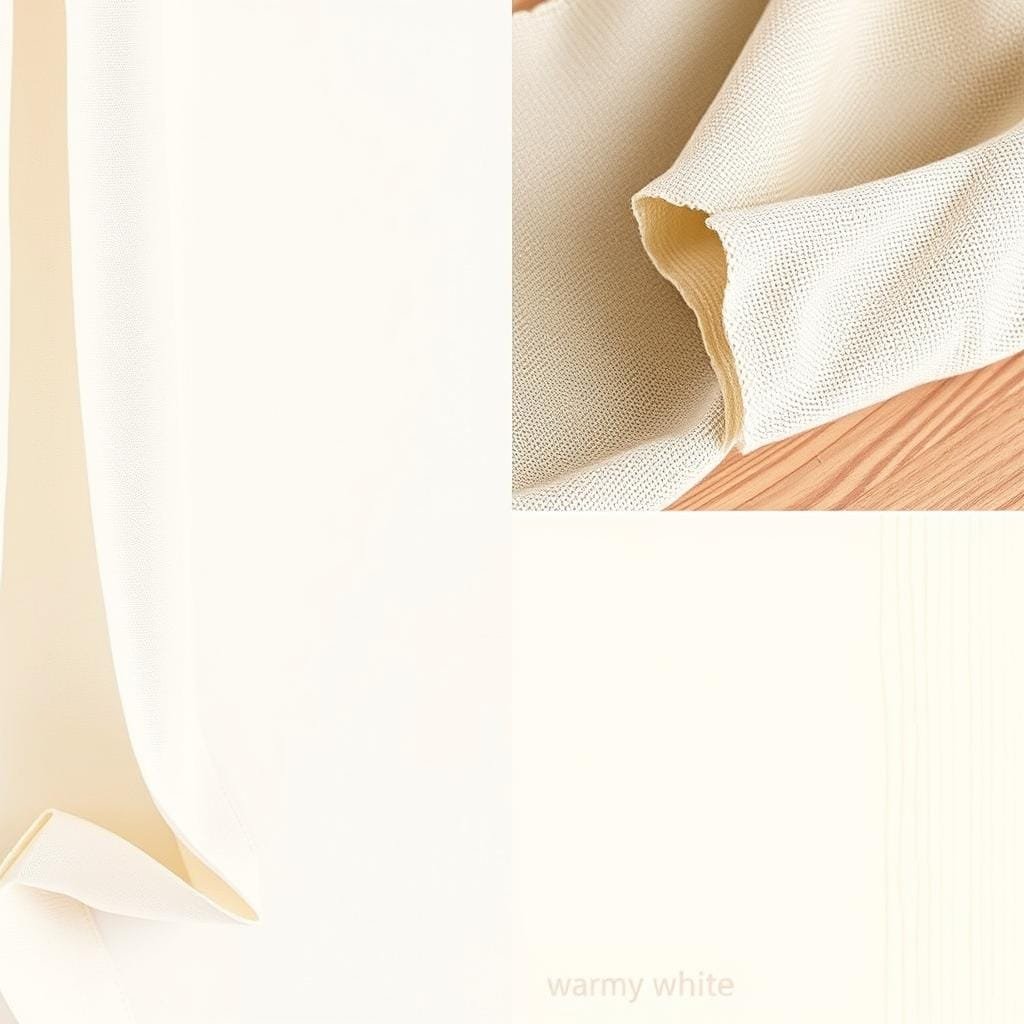
Warm Whites: Yellow-based whites that create a softer, more inviting foundation than the stark whites of previous years.
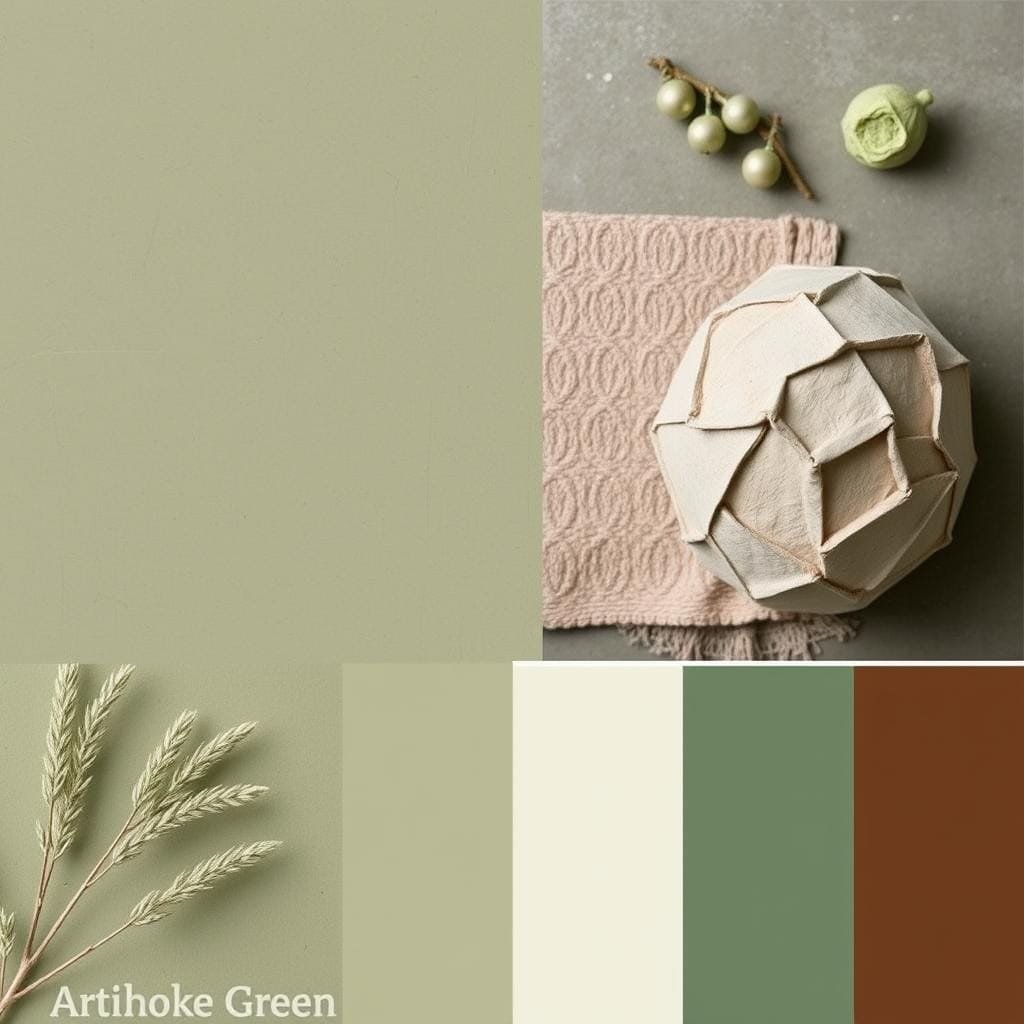
Artichoke Green: A sophisticated, muted green that functions almost as a new neutral, bringing a biophilic element to spaces.
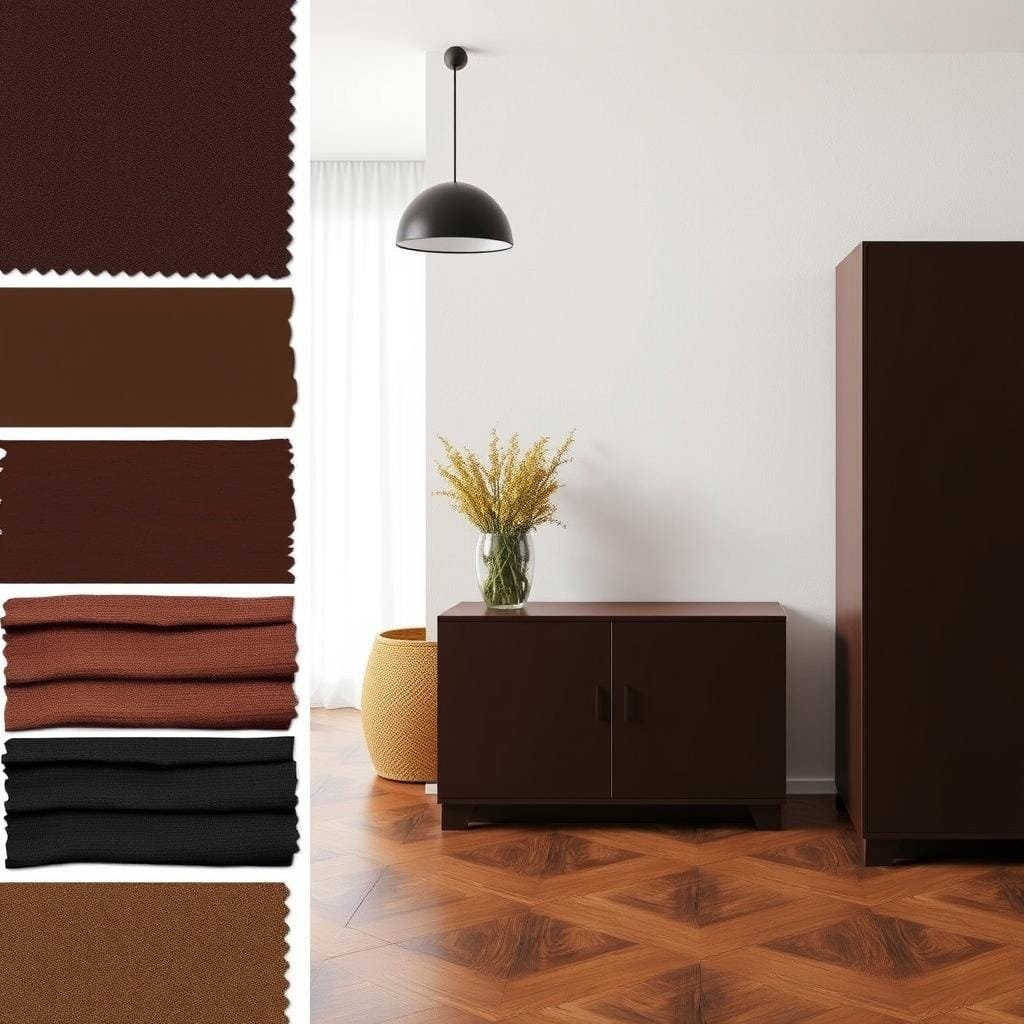
Rich Browns: From espresso to caramel, brown tones add warmth and grounding to spaces, replacing the cooler grays of previous years.
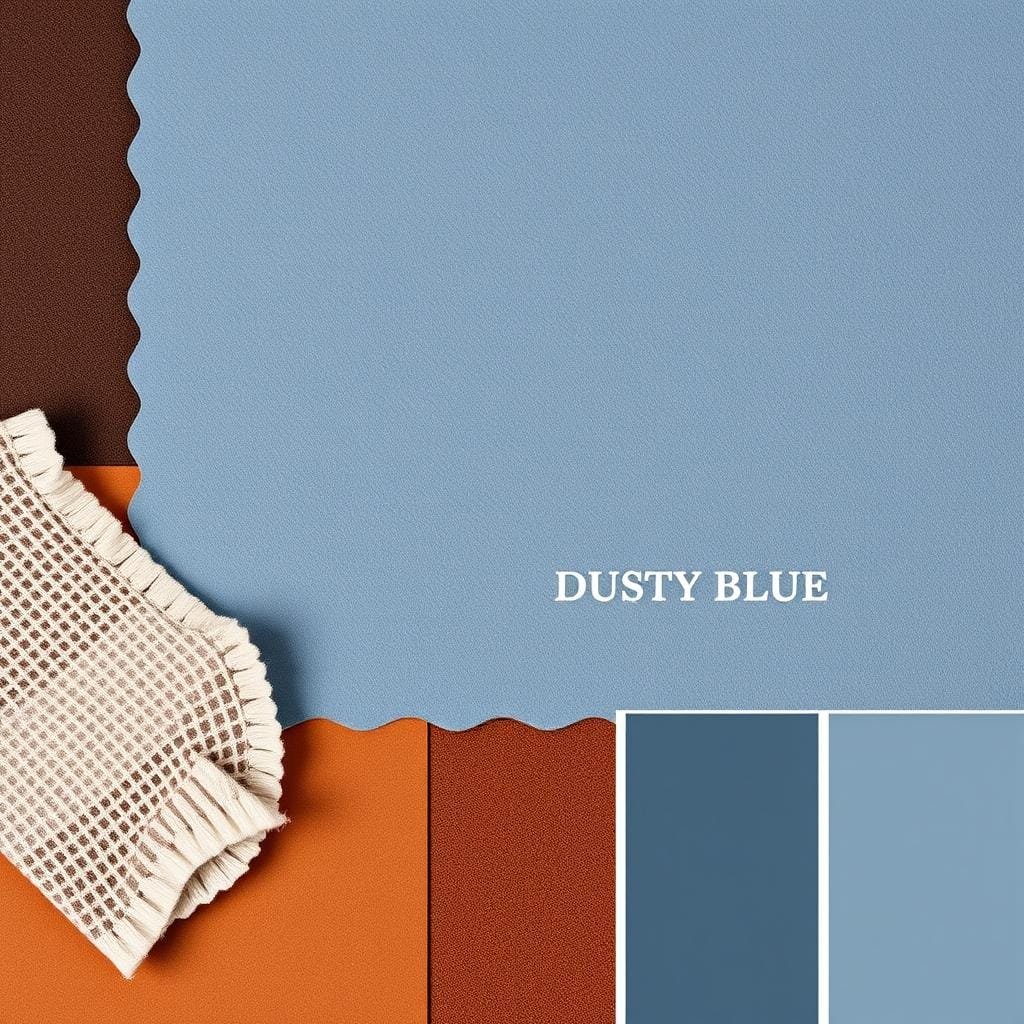
Dusty Blue: A soft, powdery blue that pairs beautifully with earthy tones, creating balance and visual interest.
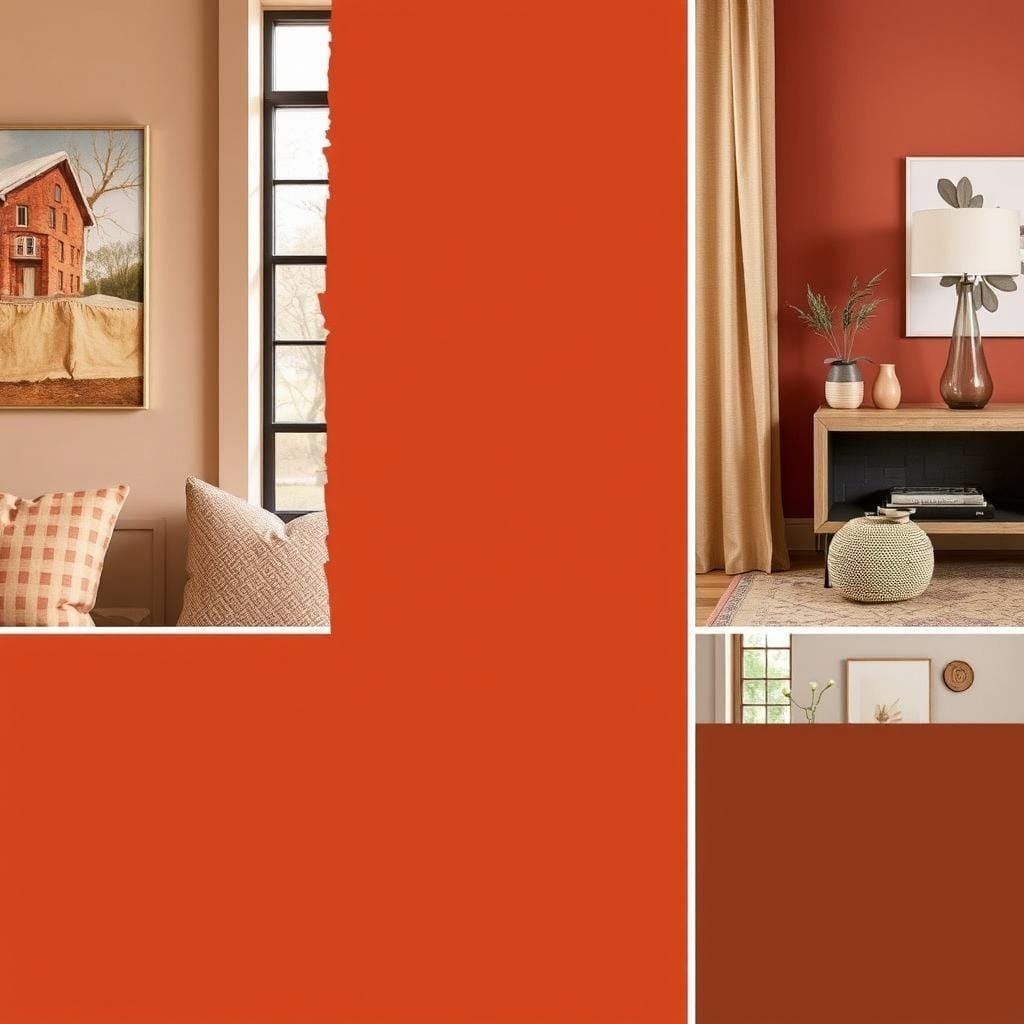
Terracotta: This warming, earthy tone adds depth and character, appearing in everything from tiles to textiles.
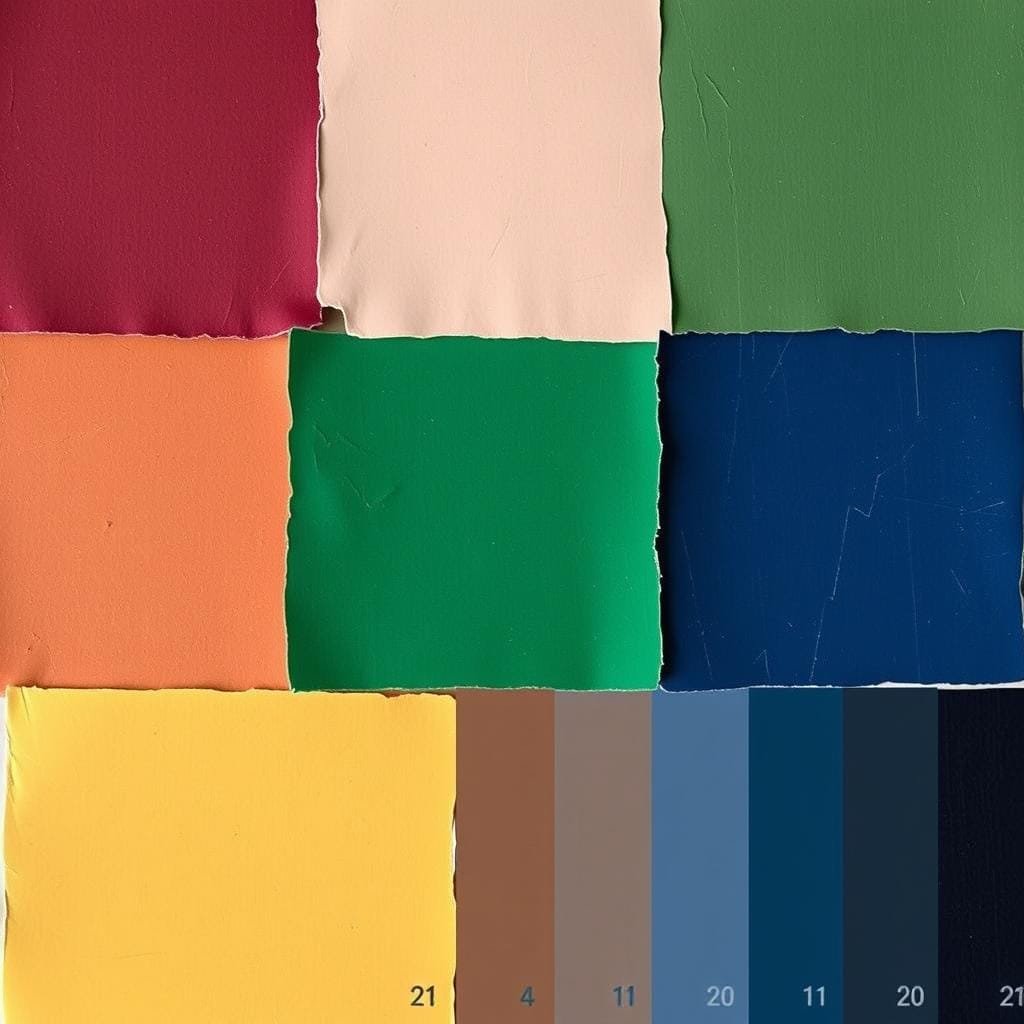
Jewel Tone Accents: Rich burgundies, emeralds, and sapphires appear as accent colors, adding moments of intensity to otherwise earthy palettes.
How to Incorporate:
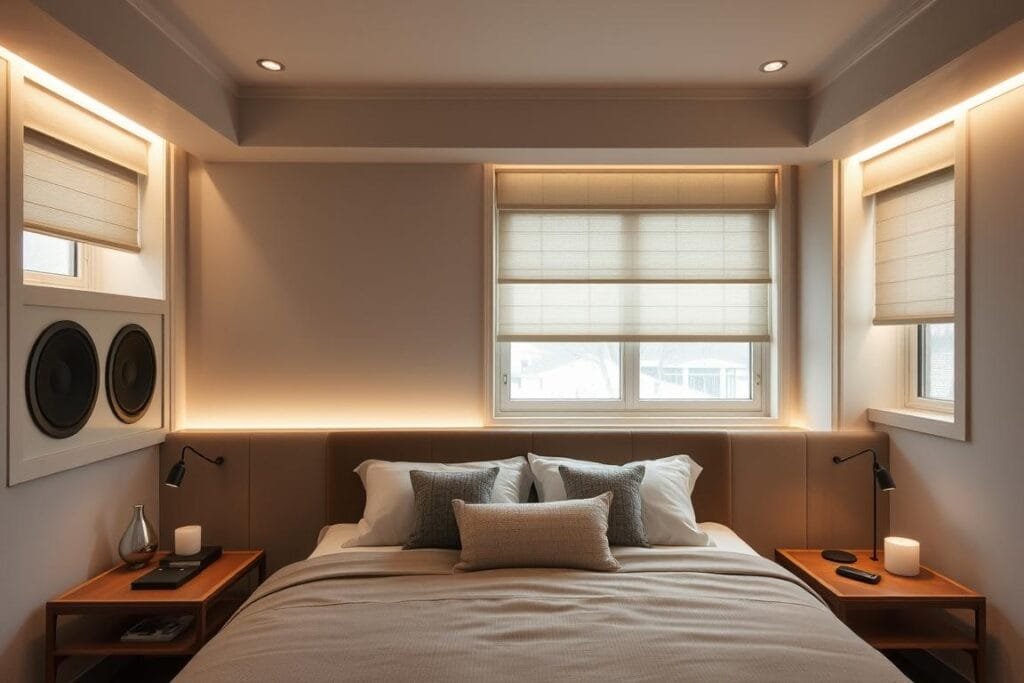
Start with a foundation of warm whites and earthy neutrals, then layer in more saturated tones through furniture, textiles, and accessories. Consider using richer colors in spaces where you want to create intimacy, like dining rooms and bedrooms.
Material Trends: Texture and Patina
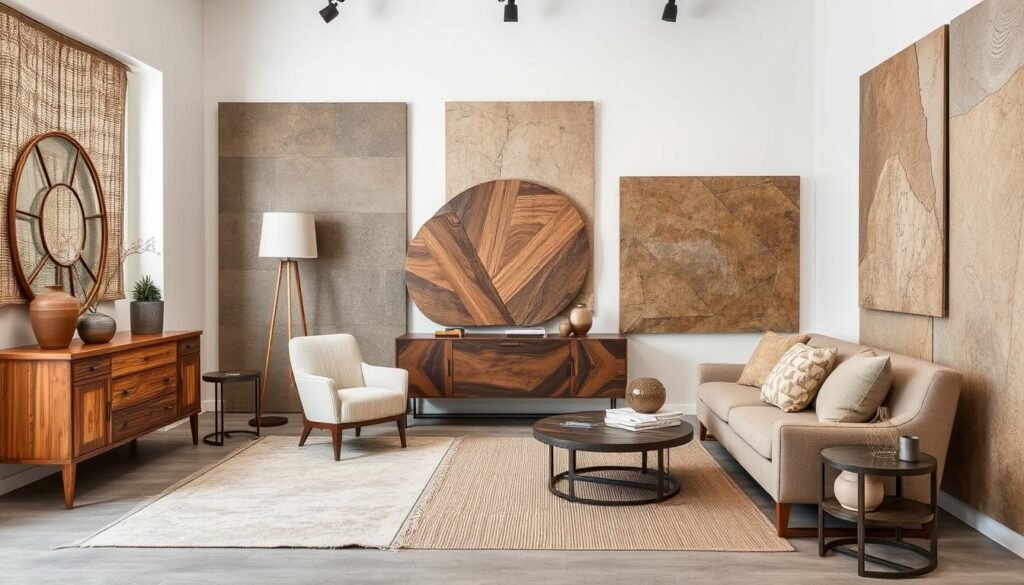
The materials defining 2026 interiors share a common thread: they all have character, texture, and a sense of authenticity. There’s a move away from synthetic, perfect surfaces toward materials that age beautifully and tell a story.
Key Materials:
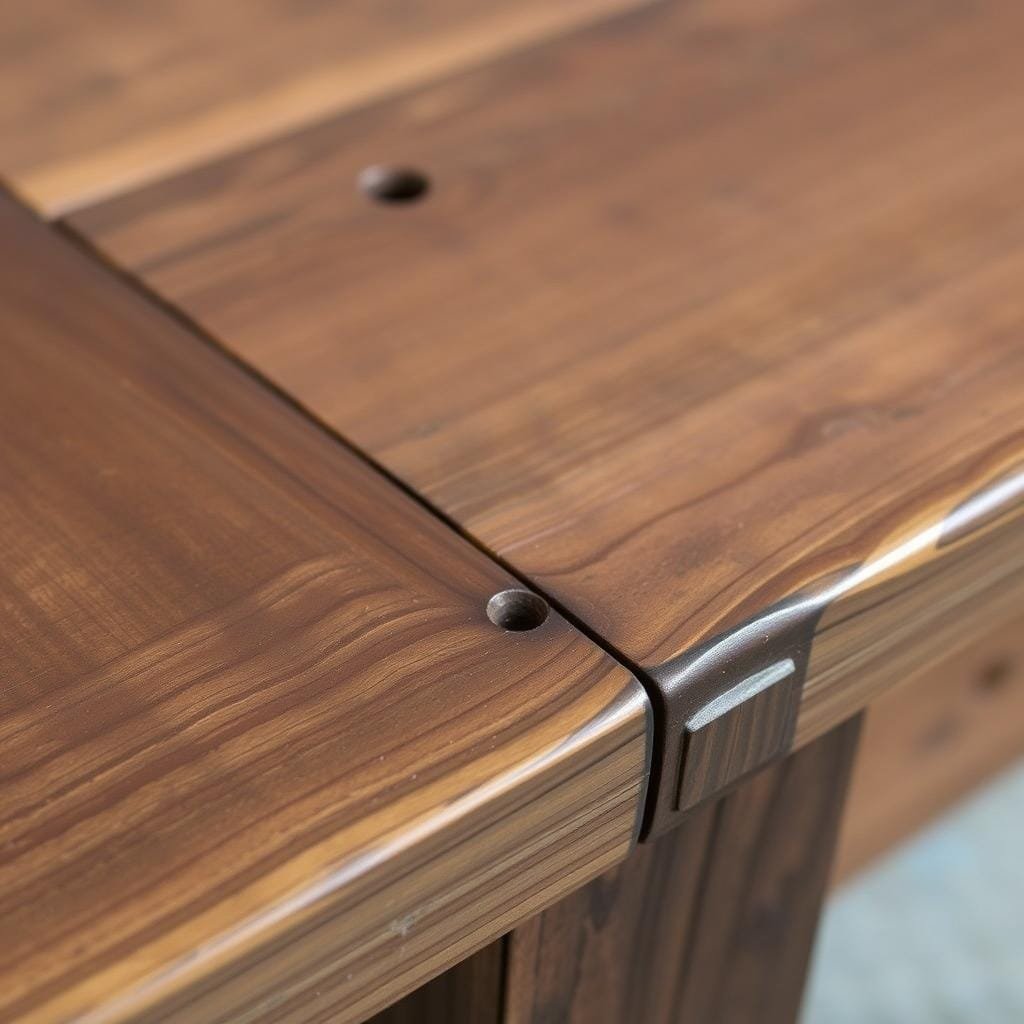
Aged Woods: Darker-toned woods with character and patina are making a strong comeback, especially in furniture and architectural details.
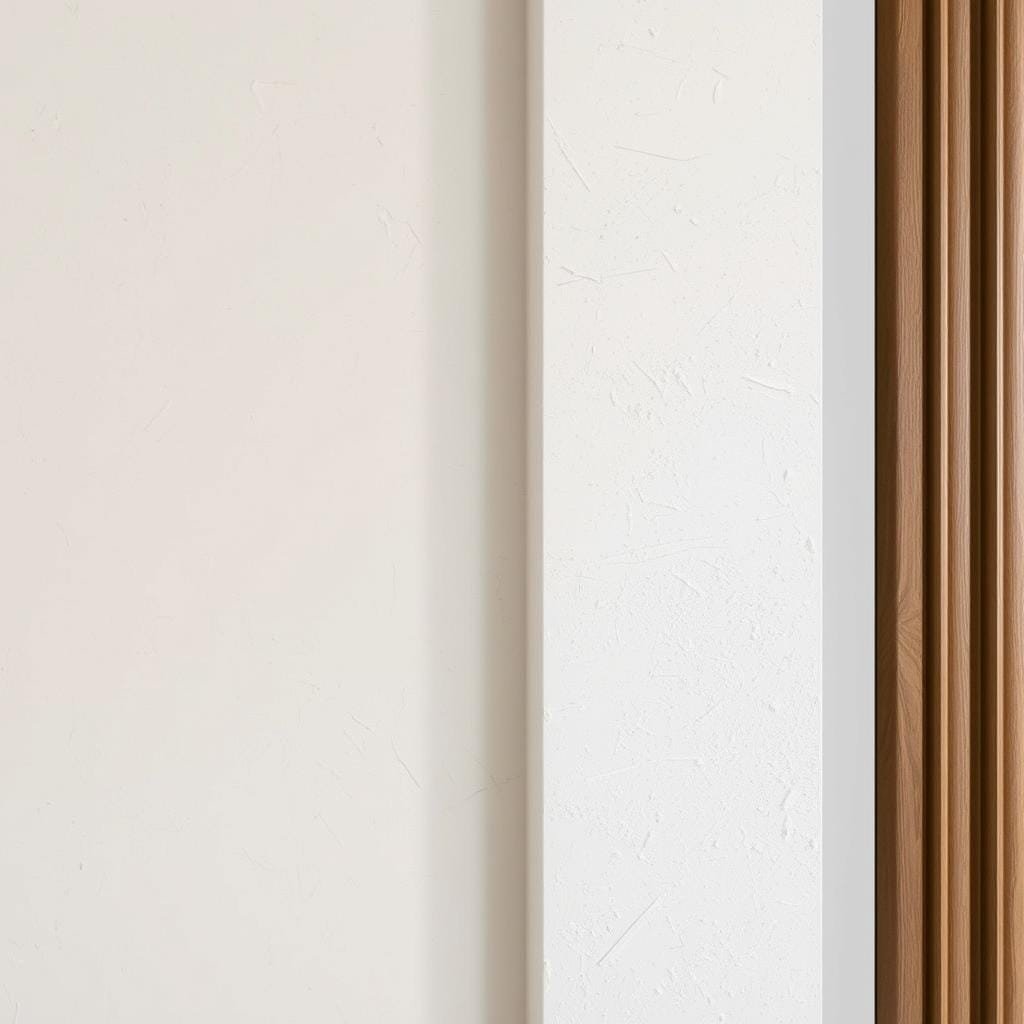
Textural Wall Treatments: Limewash, textured plaster, and fluted wood paneling add subtle dimension to walls without overwhelming the space.
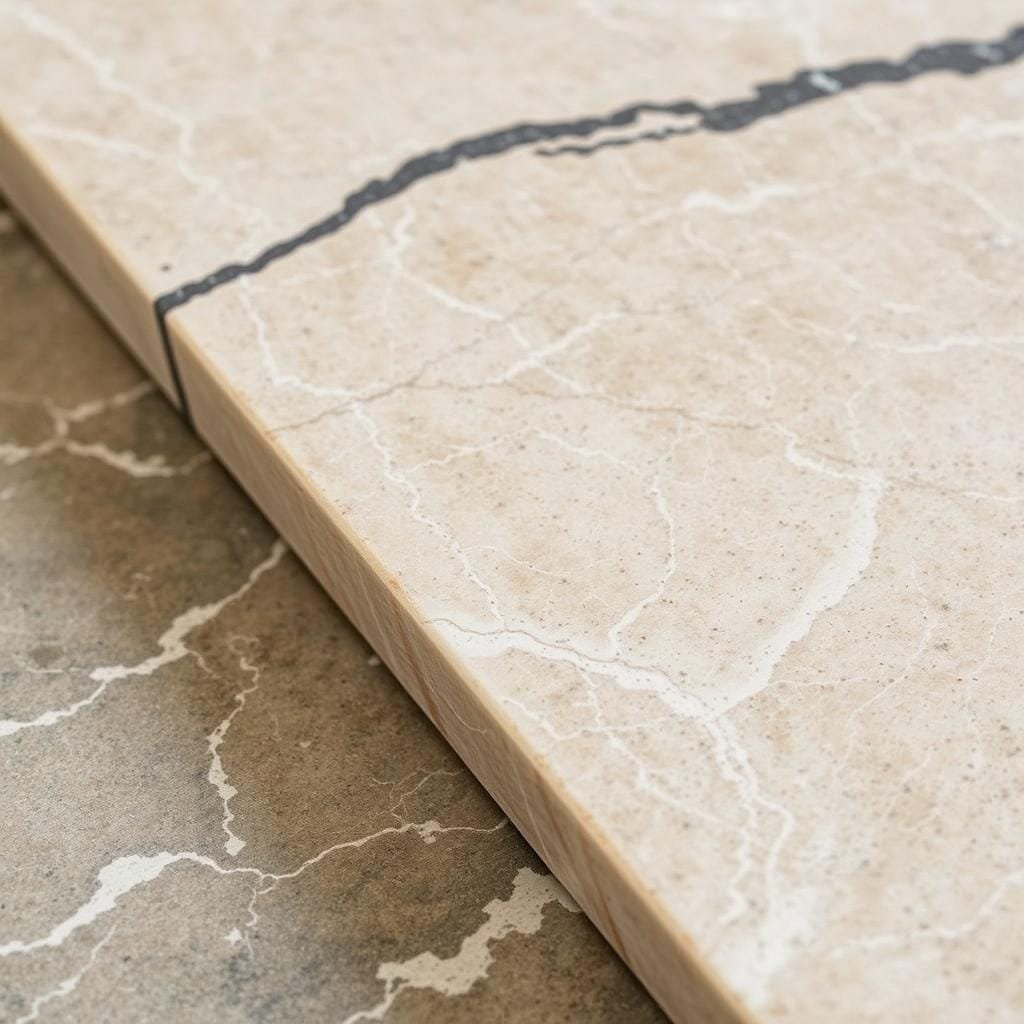
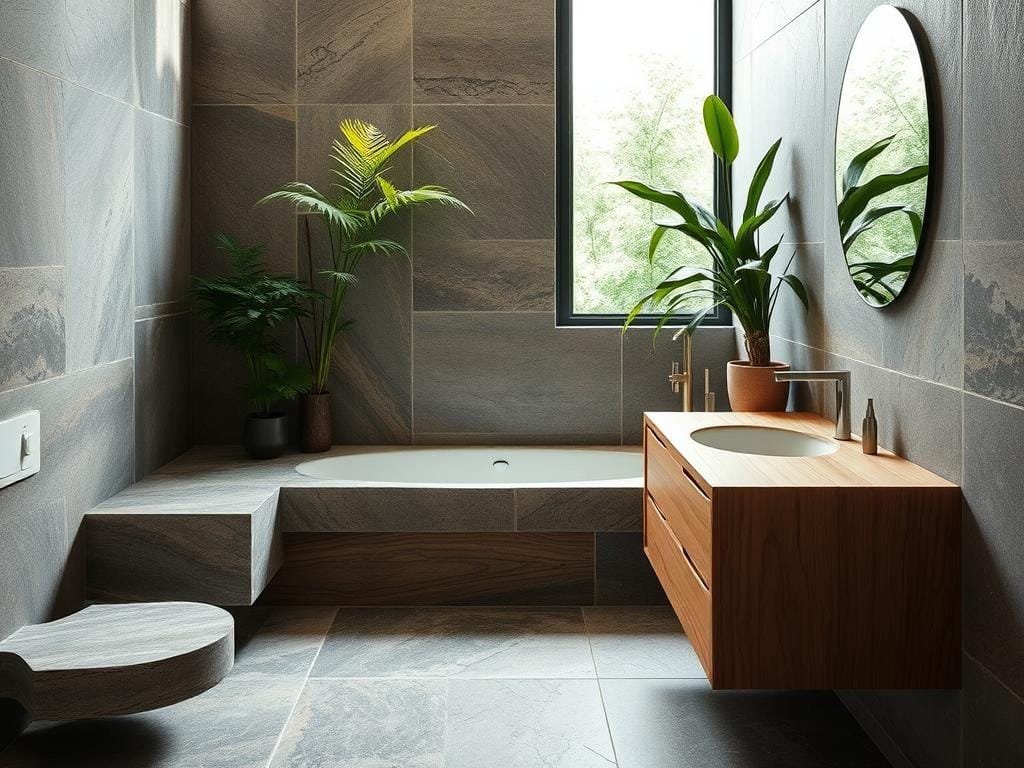
Statement Stone: Natural stone with bold veining and character is being used as an artistic element in kitchens, bathrooms, and living spaces.
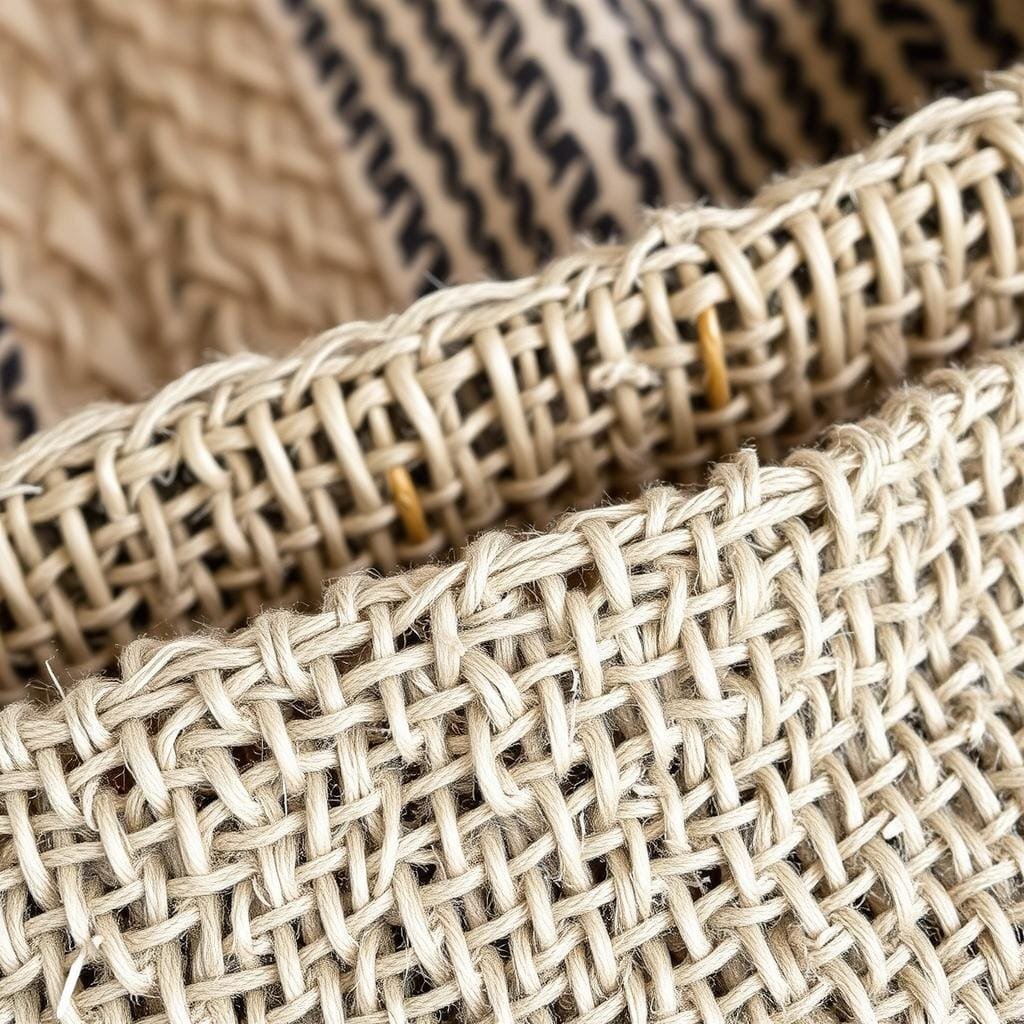
Handwoven Textiles: Textiles with visible texture and craftsmanship add warmth and tactile interest to spaces, from wall hangings to upholstery.

Tactile Metalwork: Metals with patina and character are being used as sculptural elements rather than just functional details.
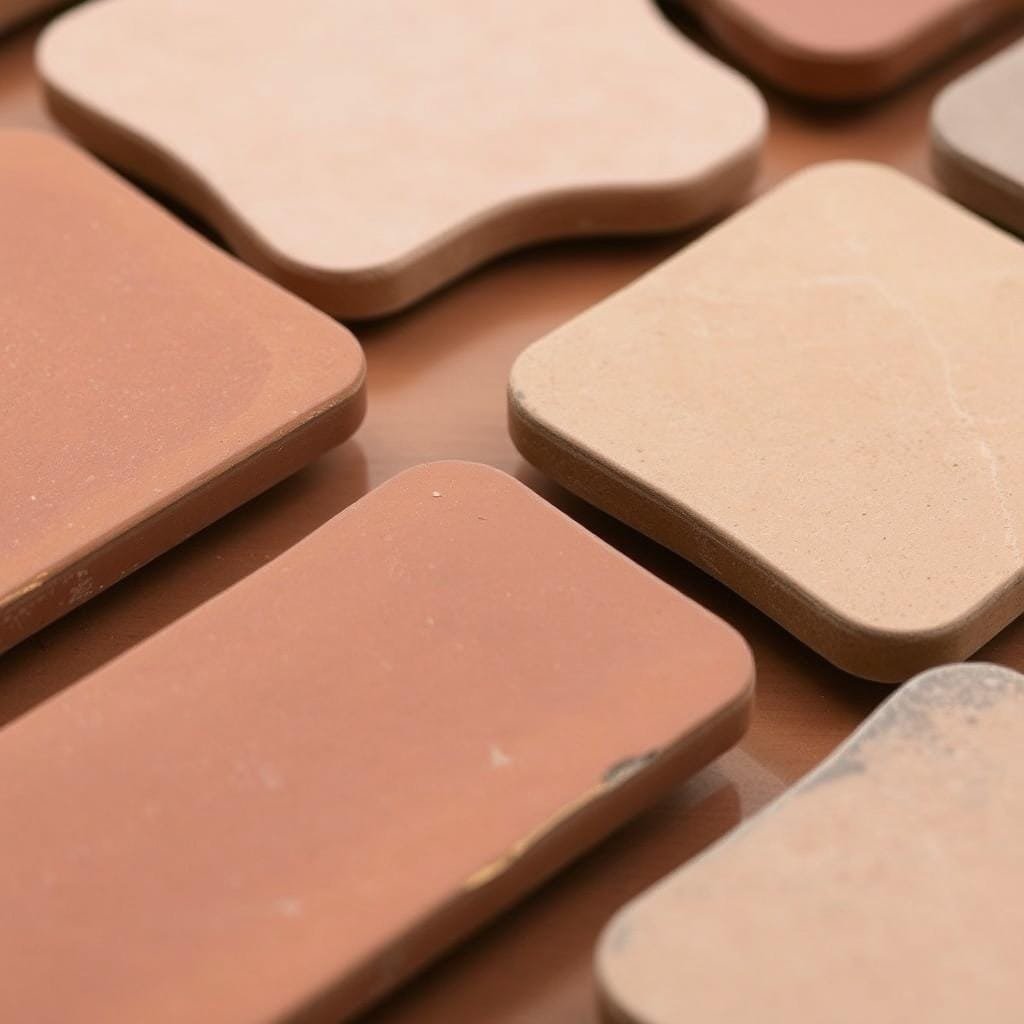
Terracotta Tiles: This timeless material is experiencing a renaissance, appearing in fresh shapes and applications that feel both contemporary and timeless.
How to Incorporate:
Mix materials with complementary textures to create visual interest without relying on bold patterns or colors. Consider adding a statement material in a focal area, like a kitchen island or fireplace surround. Look for opportunities to incorporate materials with visible craftsmanship.
Embracing Authenticity: The Overarching Theme of 2026
As we look across the trends defining 2026, a clear theme emerges: authenticity. Whether through materials with character, spaces that embrace real life, or design choices that reflect personal stories, the most compelling interiors of the coming year will be those that feel genuine and intentional.
This shift represents more than just aesthetic preference—it reflects a deeper cultural desire for spaces that support our well-being, connect us to nature and craftsmanship, and provide a meaningful counterbalance to our increasingly digital lives.
As you consider how these trends might influence your own home, remember that the most successful spaces are those that reflect your authentic self while supporting how you actually live. The best design isn’t about following trends perfectly—it’s about creating a home that feels truly yours.
Stay Ahead of Design Trends
Want more exclusive insights into emerging design trends before they hit the mainstream? Join our Design Insider newsletter for monthly updates, expert interviews, and early access to our trend forecasts.