Have you ever stopped to think about how your daily decisions shape the world around you? It’s easy to feel like one person’s actions don’t matter, but the truth is, they do. Every choice we make—from the products we buy to how we manage waste—can create a ripple effect.
Imagine walking into your home and seeing less clutter, fewer single-use items, and more thoughtful alternatives. It’s not just about creating a cleaner space; it’s about making a difference. By swapping out certain items for better options, we can reduce waste and create a healthier environment for ourselves and future generations.
It doesn’t have to be overwhelming. Start small. Maybe it’s choosing a reusable water bottle or switching to a product with less packaging. These little changes add up. Together, we can make a meaningful impact—one step at a time.
Ready to explore how you can transform your space and habits? Let’s dive in and discover practical ways to make a difference. Learn more here.
Introduction to a Greener Way of Living
What if small changes in your routine could make a big difference? It’s easy to overlook how everyday habits, like the food we eat or the way we shop, impact the environment. But by rethinking these choices, we can create a healthier planet.
Setting the Stage for Sustainable Change
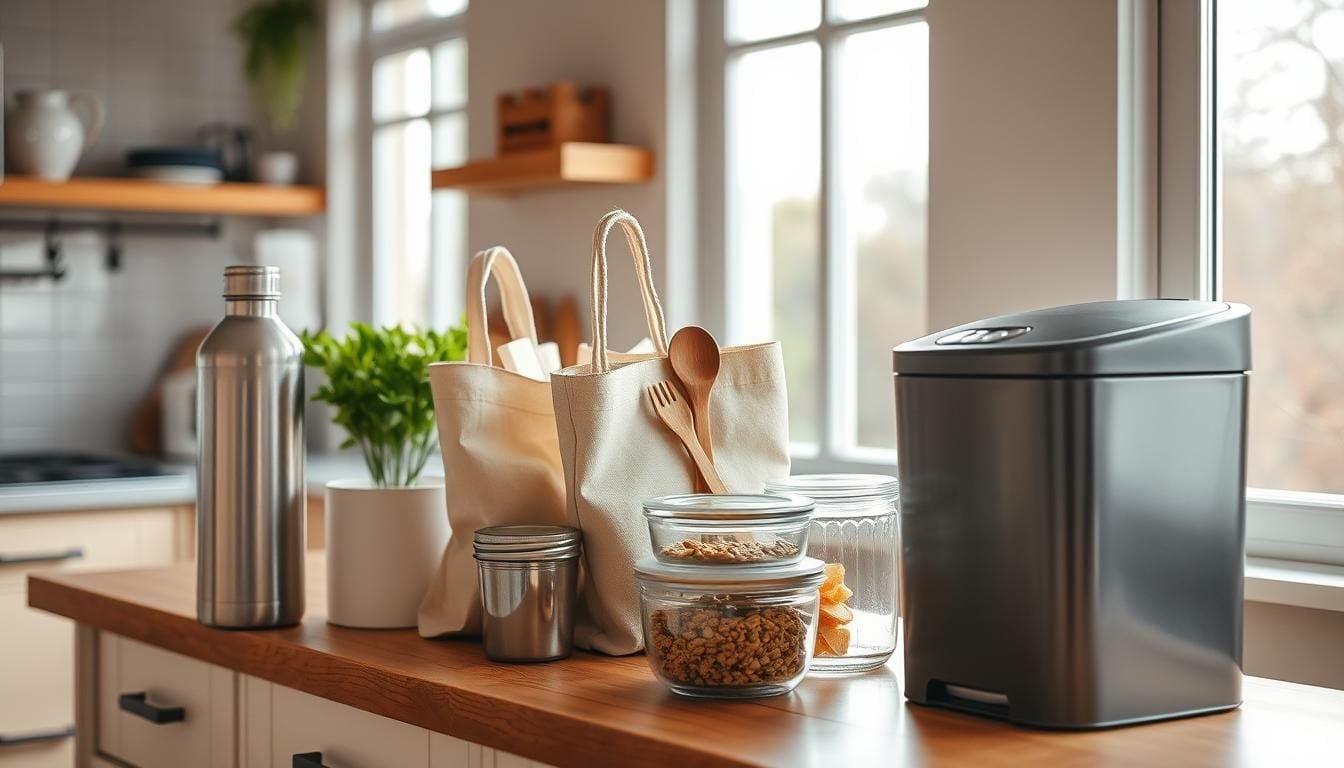
Start with something simple: your shopping bag. Switching to reusable totes can drastically cut down on plastic waste. It’s a small swap that adds up over time. Think about it—every time you carry a reusable bag, you’re helping reduce the 8.3 billion tons of plastic generated since the 1950s.
Another area to focus on is packaging. Many products come wrapped in layers of unnecessary materials. Opt for items with minimal packaging or choose brands that use eco-friendly alternatives. These decisions might seem minor, but they collectively make a significant impact.
Why Small Swaps Matter
Even your food choices can drive change. Did you know that a plant-based meal can reduce emissions by up to 75%? Simple swaps, like choosing local produce or reducing meat consumption, can benefit the environment in big ways.
It’s not about perfection—it’s about progress. Every step, from carrying a reusable bag to rethinking packaging, contributes to a larger goal. Together, we can create a greener way of living, one small change at a time. Ready to take the next step? Explore these sustainability challenges to start your journey.
Sustainable Swaps: Everyday Changes for a More Eco-Conscious Lifestyle
Ever wondered how a single choice can ripple through your daily life and the environment? It’s true—every decision we make, no matter how small, has the power to shape our footprint. By making thoughtful changes, we can create a healthier planet, one step at a time.
Simple Swaps That Make a Difference
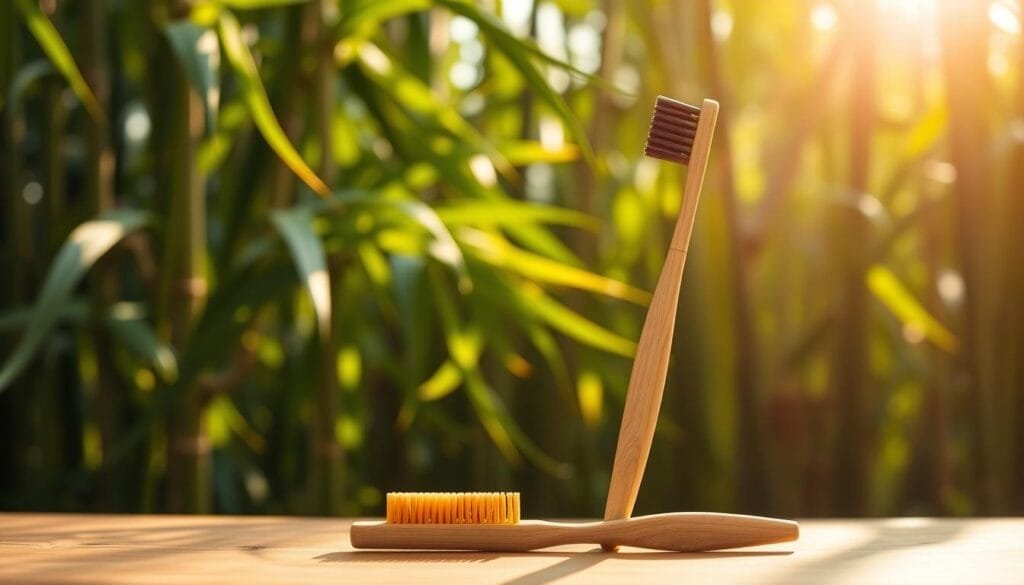
Start with your morning routine. Switching to a bamboo toothbrush is an easy option that reduces plastic waste. Traditional toothbrushes take hundreds of years to decompose, but bamboo ones are biodegradable and compostable. It’s a small change that adds up over time.
Another impactful habit is reusing containers. Instead of tossing single-use plastics, opt for reusable silicone food bags. They can be used hundreds of times, significantly cutting down on waste. This simple swap not only reduces your footprint but also saves money in the long run.
Why These Changes Matter
Small changes like these might seem minor, but they collectively make a big impact. For example, lowering your shower temperature by just a few degrees can save hundreds of kilograms of CO2 emissions annually. It’s a small step that benefits both your life and the planet.
Tracking your progress over time can also be inspiring. Whether it’s using a reusable coffee cup or choosing cold washes for laundry, every habit you adjust contributes to a larger goal. As you make these swaps, you’ll notice how they become a natural part of your life.
“The greatest threat to our planet is the belief that someone else will save it.”
Ready to take the next step? Explore these eco-friendly switches to discover more ways to reduce your footprint and live a greener life.
Innovative Eco-Friendly Practices at Home
Transforming your home into an eco-friendly space doesn’t have to be complicated. With a few thoughtful changes, you can reduce waste and create a healthier environment. Let’s explore practical ways to make your home greener, starting with cleaning and organization.
Green Cleaning and Waste Reduction Tips
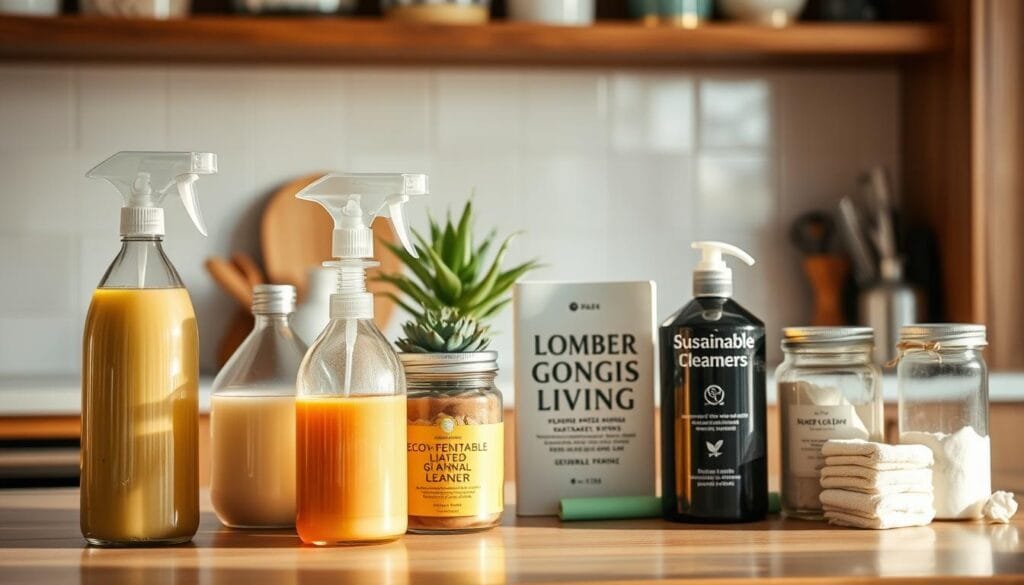
Switching to eco-friendly cleaning products is a simple way to lower your environmental impact. Many brands now offer biodegradable options that are free from harmful chemicals. These products not only clean effectively but also reduce plastic waste from packaging.
Another tip is to use recycled paper for cleaning tasks. Traditional paper towels contribute to deforestation, but recycled options are just as effective. For a zero-waste approach, try reusable cloths or microfiber towels.
Did you know that washing clothes in cold water can save energy and reduce your impact? It’s a small change that adds up over time. Pair this with eco-friendly detergents, and you’ll see a noticeable difference in your household’s environmental impact.
Home Organization with Reusable Options
Organizing your home with reusable items is another way to cut down on waste. Instead of plastic storage bins, opt for glass or metal containers. These materials are durable, recyclable, and free from harmful chemicals.
Consider using recycled paper for labels and notes. This small switch can significantly reduce your paper consumption. For a more sustainable approach, try digital organizers or apps to keep track of your tasks.
Many brands are now offering stylish, eco-friendly storage solutions. From bamboo shelves to hemp baskets, these products combine functionality with sustainability. By choosing these options, you’re supporting a greener future while keeping your home clutter-free.
Remember, every small change you make has a ripple effect. Whether it’s switching to eco-friendly cleaning products or organizing with reusable items, your efforts contribute to a larger impact. Start today and see how easy it is to create a more eco-conscious home.
Smart Lifestyle Adjustments and Personal Care
Have you considered how your personal care routine impacts the planet? Small changes in the products you use and the habits you adopt can make a big difference. From the bathroom to your travel bag, there are plenty of ways to reduce waste and embrace eco-friendly alternatives.
Eco-Friendly Personal Care and Bathroom Swaps
Start with your bathroom. Swap out plastic toothbrushes for bamboo alternatives. Bamboo is a natural material that’s biodegradable and compostable. It’s a simple choice that reduces plastic waste significantly.
Another great alternative is shampoo bars. These bars eliminate the need for plastic containers and often contain fewer chemicals than traditional shampoos. They’re compact, travel-friendly, and last longer.
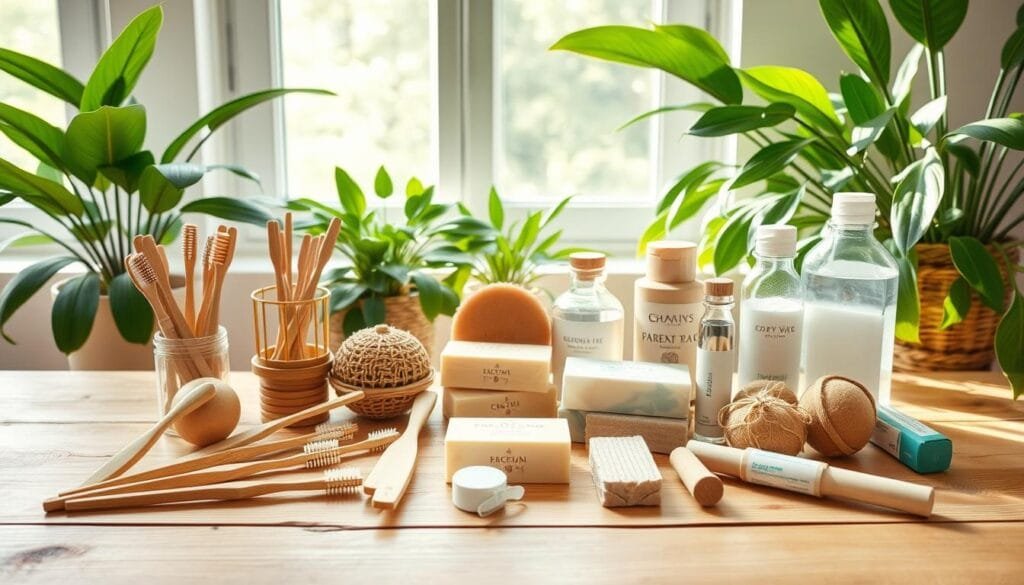
Consider switching to non-toxic cleaning supplies for your bathroom. Many conventional products contain harmful chemicals that can affect both your health and the environment. Opt for natural alternatives like vinegar or baking soda-based cleaners.
On-the-Go Sustainable Habits
When you’re away from home, keeping up with eco-friendly habits is easier than you think. Carry a reusable water container instead of buying bottled water. This small thing can save hundreds of plastic bottles each year.
Pack a set of reusable utensils and a cloth napkin in your bag. These items are lightweight and eliminate the need for single-use plastics. It’s a simple choice that makes a big impact.
Did you know that plastic straws take over 100 years to decompose? Carry a stainless steel or bamboo straw as an alternative. It’s a small thing that can make a big difference.
| Product | Eco-Friendly Alternative | Impact |
|---|---|---|
| Plastic Toothbrush | Bamboo Toothbrush | Reduces plastic waste, biodegradable |
| Shampoo Bottles | Shampoo Bars | Eliminates plastic containers, fewer chemicals |
| Plastic Straws | Stainless Steel Straw | Reusable, reduces landfill waste |
Making these choices doesn’t just benefit the planet—it also enhances your well-being. Natural materials and fewer chemicals mean a healthier you. Start today and see how easy it is to adopt these eco-friendly habits.
Community Engagement and Conscious Consumerism
When we come together as a community, our collective actions can create powerful change. From sharing resources to supporting local initiatives, every effort contributes to a greener future. Let’s explore how community engagement and conscious consumerism can make a difference.

Local Initiatives and Community-Based Solutions
Local initiatives are a great way to foster sustainability. Community gardens, for example, allow neighbors to grow fresh produce while reducing the need for transportation. These gardens not only provide healthy meals but also strengthen community bonds.
Another impactful effort is collective recycling programs. By pooling resources, communities can reduce waste more effectively. Sharing tools and items like lawnmowers or kitchen appliances also cuts down on unnecessary consumption.
Here are some ways to get involved:
- Join a local sustainability group or swap meet to exchange items and ideas.
- Participate in community clean-up events to reduce waste in public spaces.
- Support businesses that prioritize eco-friendly practices, like using reusable cups and bottles.
Conscious consumerism is another key aspect. By choosing to switch from disposable items to durable, long-lasting resources, we can significantly lower our environmental impact. For instance, carrying a reusable bottle or cup eliminates the need for single-use plastics.
“Alone we can do so little; together we can do so much.”
Engaging with your community doesn’t just benefit the planet—it also creates a sense of shared responsibility. Whether it’s through a community garden or a recycling program, every action counts. Let’s work together to build a more sustainable future, one step at a time.
Conclusion
Small steps can lead to big transformations when it comes to reducing your impact on the planet. By choosing a reusable water bottle, you cut down on plastic waste and lower your carbon footprint. Opting for bamboo products, like toothbrushes or utensils, ensures you’re using natural, biodegradable materials.
These simple practices can significantly reduce emissions and help create a healthier environment. Pay attention to the ingredients in your personal care items—switching to natural options makes a difference. Every choice you make at home adds up.
Start today by integrating these changes into your household routine. Whether it’s rethinking your shopping habits or choosing eco-friendly alternatives, each step matters. Together, we can create a brighter future—one thoughtful choice at a time.