
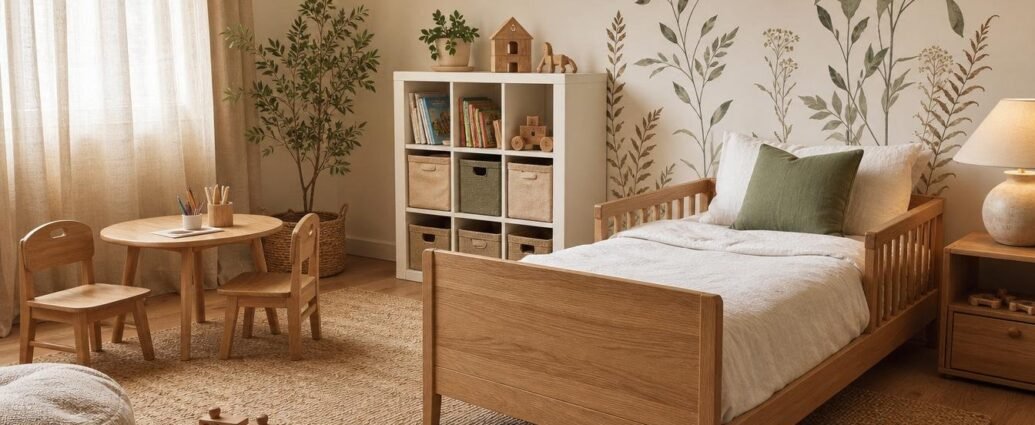
Do you ever stand in your child’s nursery — surrounded by the sweet little details you so carefully chose — and realize it’s already starting to feel a little… small? Not just in size, but in energy. The mobile that once hypnotized a newborn now sits untouched. The changing table collects random toys. And your toddler is starting to look at everything like it belongs to a much younger version of themselves.
That feeling is one of the most common things parents come to me about, and the good news is that you don’t have to start over. We’re going to walk through a smarter, more intentional approach to designing a room that genuinely grows with your child — from wobbly first steps through imaginative play and early school years — without the expense of a full redesign every eighteen months.
Key Takeaways
- Invest in neutral, adaptable furniture pieces that work across the toddler-to-school-age span (ages 1–6) rather than buying stage-specific sets.
- Choose a gender neutral toddler room color palette anchored by warm, earthy tones that can be updated with inexpensive accent swaps.
- Build flexible storage systems that evolve as your child’s needs and toy types change over time.
- Use removable or layered decor — wall decals, swappable art prints, interchangeable textiles — to refresh the room’s look without repainting.
- Zone the room deliberately from the start so play, sleep, and eventually learning each have a defined space that can be adjusted.
Why Transitional Design Is the Smartest Investment for Toddler Rooms
Most parents pour time and love into a nursery, only to find it needs a complete overhaul by age two. Transitional kids room design is the antidote to that cycle. It’s about making intentional choices upfront that spare you the cost — and the chaos — of starting fresh every few years.
The average full kids room redesign costs between $1,500 and $4,000 when you factor in new furniture, bedding, paint, and decor. With a transitional approach, you can keep the bones of a room intact and update the accessories for a fraction of that. I’ve helped clients refresh a toddler room for under $200 by simply swapping textiles, adding new art, and reorganizing the storage layout.
The Hidden Cost of Theme-Heavy Rooms
There’s nothing wrong with a dinosaur room or a princess room in concept. The problem is that themed spaces tend to go all-in on motifs that children outgrow quickly — sometimes within a single year. When the theme is baked into the furniture, the wallpaper, or the custom built-ins, you’re locked in.
Transitional design doesn’t mean boring. It means anchoring your room in a calm, flexible foundation and letting the theme live in the swappable layers: bedding, art prints, a few key decor items. Your child still gets a magical space — you just get the freedom to evolve it without a renovation.
Gender Neutral Toddler Room Ideas as a Long-Term Strategy
Designing a gender neutral toddler room isn’t just about inclusivity — it’s also one of the most practical design decisions you can make. Neutral palettes and non-gendered themes have a much longer lifespan in a child’s room. Earthy greens, soft terracottas, warm whites, and natural wood tones feel neither babyish nor overly grown-up. They read as timeless.
This approach also means the room can work for a future sibling without a full redo, which is a huge win for budget-conscious families.
Building a Gender Neutral Color Palette That Ages Beautifully
Color is the single most transformative element in a room — and also one of the most expensive things to change if you get it wrong. Choosing the right foundational palette from the start is everything. I always tell parents to think about color the way they’d think about a timeless wardrobe: start with neutrals, add personality through accessories.
If you’re still in the planning stages and want to explore what’s trending in children’s spaces right now, my post on 2026 nursery color trends that feel earthy and calming is a great place to start — many of those palettes translate beautifully into the toddler years too.
The Warm Neutral Foundation
Think about wall colors in the family of warm white, oat, greige, or soft sage. These tones photograph beautifully, feel cozy without being heavy, and work with virtually every accent color you might want to introduce later. Avoid anything too cool or too stark — cool whites can feel clinical in a child’s room, and stark whites show every little handprint.
My personal favorites for a toddler room that grows with the child: Benjamin Moore’s White Dove, Sherwin-Williams Accessible Beige, and Farrow & Ball’s Moles Breath for something a little moodier and more interesting.
Using Accent Colors That Can Be Swapped
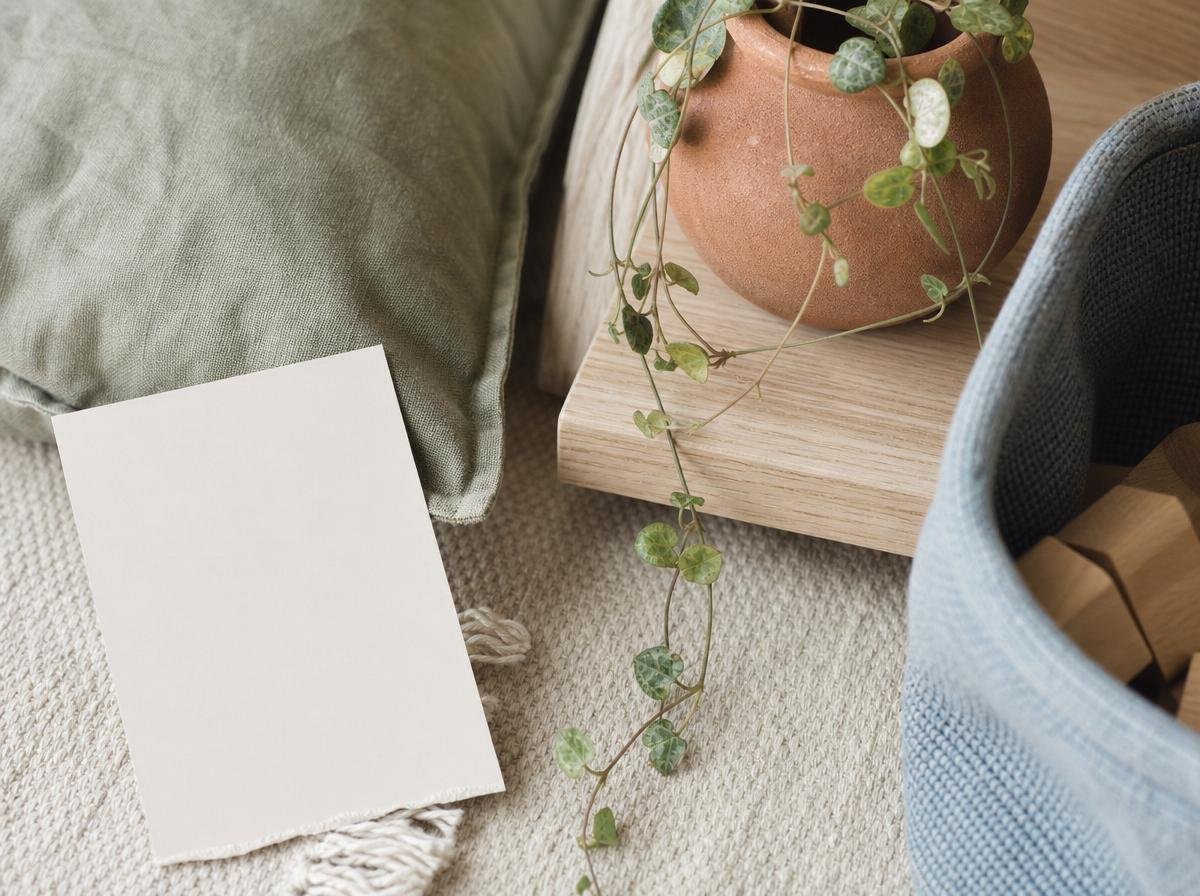
Once you have your neutral wall, your accent colors should live entirely in removable or low-investment pieces. A terracotta throw pillow, a dusty blue rug, a set of sage green curtains — these can all be swapped out as your child’s preferences evolve without touching a single wall. This is exactly the same philosophy I apply to affordable family room refreshes: change the soft goods, transform the room.
| Color Family | Best Use | Longevity Rating | Notes |
|---|---|---|---|
| Warm White / Oat | Walls, large furniture | ⭐⭐⭐⭐⭐ | Works from nursery through teen years |
| Sage Green | Accent wall, textiles | ⭐⭐⭐⭐⭐ | Gender neutral, calming, very on-trend |
| Terracotta / Clay | Accents, art, pillows | ⭐⭐⭐⭐ | Warm and inviting, avoid overuse |
| Dusty Blue / Slate | Accent wall, rugs | ⭐⭐⭐⭐ | Pairs beautifully with warm wood tones |
| Bright Primary Colors | Small accents only | ⭐⭐ | Children outgrow quickly; limit to toys |
Furniture That Future-Proofs the Room
Furniture is where most parents spend the most money — and where intentional choices pay the biggest dividends. The goal is to select pieces that genuinely transition through developmental stages without becoming an eyesore or an obstacle. Think classic shapes, natural materials, and sizing that doesn’t feel aggressively juvenile.
The Convertible Bed: Your Best Investment
If there’s one piece of furniture worth spending on, it’s the bed. A convertible toddler bed that transitions from a toddler frame to a twin or full-size platform bed is one of the most practical purchases you can make. Look for solid wood construction, clean lines, and a color like natural oak, warm walnut, or matte white — all of which will look appropriate in a 6-year-old’s room as easily as a 2-year-old’s.
Brands like IKEA’s SUNDVIK series, Pottery Barn Kids’ Larkin collection, and various options from Babyletto offer convertible designs at a range of price points. The key is choosing something that doesn’t scream “baby” in its silhouette — rounded, cartoonish shapes will feel dated faster than you’d like.
Storage That Evolves
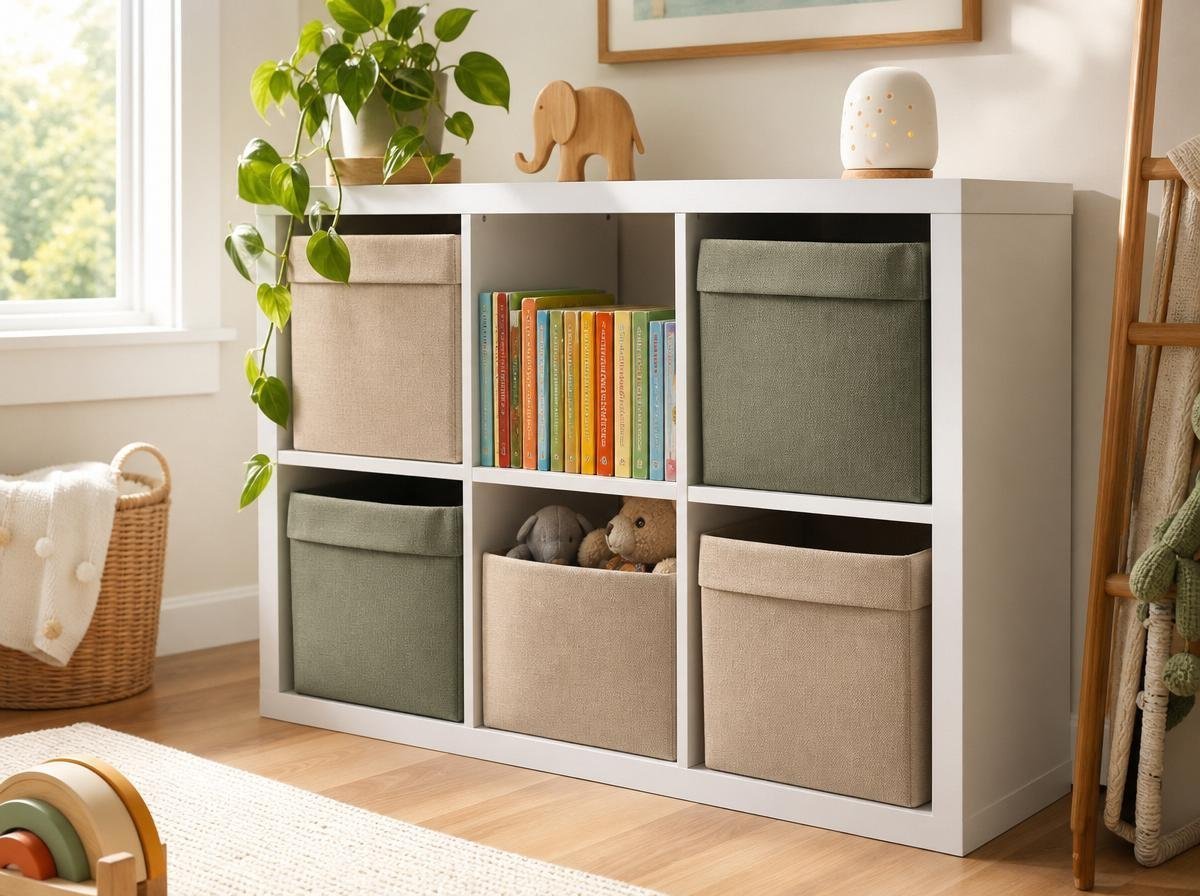
A toddler at age one needs storage for board books, soft toys, and onesies. A six-year-old needs storage for LEGOs, art supplies, chapter books, and sports gear. These are completely different organizational challenges — but a well-chosen storage system can handle both.
My recommendation: invest in a modular cube shelving unit (IKEA KALLAX is the gold standard, honestly) combined with a mix of fabric bins, open shelves, and one or two lower-hanging rods for clothes. As your child grows, the bins change, the contents change, but the structure stays put. Pair this with a low toy chest or bench with storage for the early years, which can later double as seating.
A Desk From Day One — Yes, Really
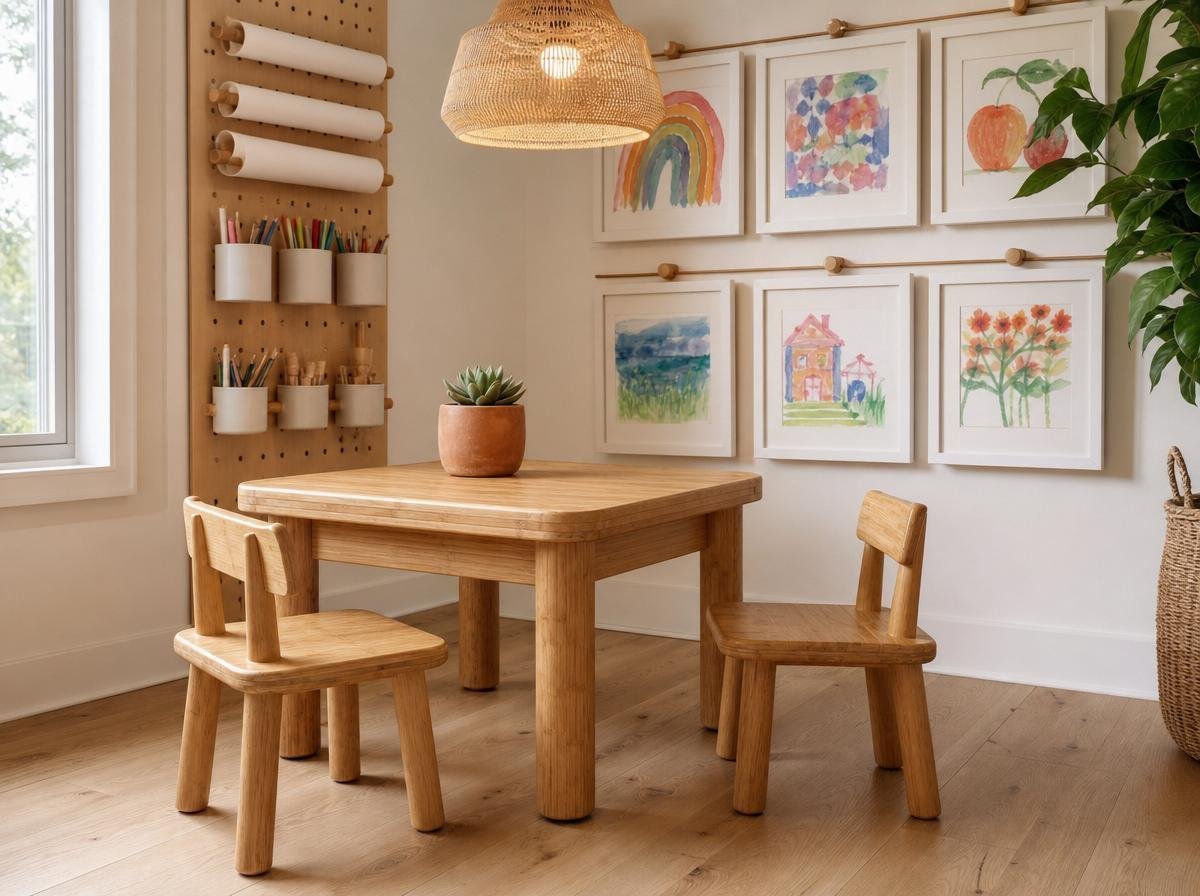
Many parents skip the desk until school age, but I’d argue a small, appropriately-sized table and chair set serves as the creative hub from ages 1 through 6. In the early years it’s for art and sensory play. By four or five, it becomes the drawing table. By six, it’s homework-ready. Choose a solid wood or bamboo option in a simple silhouette — and skip the built-in crayon holders and novelty shapes.
Designing a Toddler Room That Grows With Your Child Through Smart Zoning
One of the most underrated strategies in transitional kids room design is zoning — deliberately carving out distinct areas of the room for different activities from the very beginning. A well-zoned room doesn’t just look more intentional; it actually functions better at every stage of childhood.
“A room that’s designed to grow with a child isn’t a compromise — it’s a kindness. To your child’s imagination, to your wallet, and to your future self.”
The Sleep Zone
Keep the sleep zone simple and consistent. A calm corner anchored by the bed, with blackout curtains, soft lighting, and minimal visual stimulation, should stay relatively unchanged through all six years. This consistency actually supports healthy sleep habits — children’s brains benefit from environmental cues that signal rest.
The Play Zone
Designate a clear play area with a soft rug to define the space — this becomes the reading nook, the block-building zone, the dramatic play area, and eventually the floor-level Lego table. A large, washable area rug in a simple geometric or abstract pattern gives you a defined space that doesn’t visually clash with changing toy colors.
The Creative Zone
Even a small corner with a low table, art supply storage, and a gallery-style display wall transforms the room’s functionality enormously. For display ideas that work for kids’ art as well as grown-up spaces, my guide on how to style a gallery wall with intention and personality has some approaches that translate beautifully into a rotating children’s art display.
Decor That Layers Without Committing
This is where the fun really lives. Layered decor is the key to a room that always feels fresh and age-appropriate without requiring structural changes. Think of decor in two categories: permanent and seasonal (or stage-based).
Permanent Decor: The Anchors
Your permanent decor pieces should be simple, beautiful, and slightly abstract. A woven wall hanging in natural fibers, a ceramic table lamp, a framed nature print — these feel appropriate whether your child is one or six (or honestly, sixteen). Invest a little more here because these pieces stay.
Swappable Decor: The Magic Layer
Use removable wall decals, interchangeable art prints in simple frames, seasonal throw pillows, and themed bedding that you rotate. This is where your child’s current obsession can live — whether it’s astronauts, animals, or their favorite cartoon characters — without the room being held hostage to it forever.
- Use command strips and removable hooks to avoid damaging walls during decor swaps
- Buy matching simple frames and rotate art seasonally or as interests change
- Keep a small bin of ‘off-season’ decor so swaps feel deliberate, not chaotic
- Let your child be involved in choosing the swappable elements — it builds ownership of their space
Flooring and Rugs: The Hardest-Working Layer in the Room
Flooring doesn’t get talked about nearly enough in transitional design conversations, and it really should. The floor in a child’s room takes an enormous amount of abuse — spills, crayon drops, toy impacts, and years of play. Your flooring choices need to be durable, cleanable, and genuinely good-looking through all of it.
Hard Flooring vs. Carpet
If you have the choice, hard flooring — engineered hardwood, luxury vinyl plank, or even painted concrete — is almost always the more practical option for a child’s room. It’s easier to clean, doesn’t trap allergens, and allows you to layer rugs on top that you can swap out as the room evolves. Carpet feels soft and cozy, but it’s much harder to update and much harder to deep-clean after the inevitable spills.
Choosing the Right Rug
A rug in a child’s room should be washable, large enough to define the play zone, and patterned in a way that disguises day-to-day dirt while still looking intentional. Abstract geometrics, simple stripes, and tone-on-tone textures all work beautifully. Avoid rugs with very specific themes (race car tracks, princess castles) if you want longevity — your child will outgrow them before the rug wears out.
Lighting That Adapts From Naptime to Reading Hour
Lighting in a child’s room needs to do a lot of different jobs, and thoughtful layering makes all the difference. A room with only a single overhead fixture is both functionally limited and visually flat — and it doesn’t serve a child’s changing needs at all.
Layered Lighting Approach
Start with a dimmer on your overhead light — this is a small investment that pays off for years. Then add a dedicated nightlight or low-wattage lamp near the bed for the sleep transition. As your child grows into reading age, a proper adjustable task lamp on the desk becomes essential. Each of these layers can be updated independently as needs change.
Fun Lighting as a Swappable Accent
String lights, a novelty night light, a small projector — these are perfect examples of fun, stage-appropriate accents that live in the swappable category. They delight a toddler and can be quietly phased out or replaced as your child’s tastes mature.
Wall Treatments That Work Without Repainting Every Year
Unless you genuinely love painting (and I do, but not everyone does), you want wall treatments that can evolve without requiring a fresh coat every time your child’s interests shift. There are more options here than most parents realize.
Peel-and-Stick Wallpaper and Decals
The quality of peel-and-stick wallpaper has improved dramatically in the last few years. A botanical print, a subtle geometric, or even a soft cloud pattern behind the bed can define the room’s character without the commitment of traditional wallpaper. When your child is ready for something different, it peels off cleanly.
Similarly, removable wall decals give you the ability to add whimsy — a woodland animal scene, a solar system, a little rainbow — that can be taken down when the phase passes. Look for vinyl options from brands like Minted or WallPops for quality that holds up without damaging paint underneath.
A Chalkboard or Pegboard Panel
One of my favorite functional-meets-decorative wall additions for a toddler room is a framed chalkboard panel or a pegboard. Both serve the room differently at different ages. The chalkboard becomes a drawing surface, then an alphabet learning wall, then a homework reminder board. The pegboard evolves from a toy display to an art supply organizer to a general desk accessory holder. These are investments that literally grow with the child.
Frequently Asked Questions
What age does a toddler room need to be redesigned?
With a transitional design approach, you shouldn’t need a full redesign until your child is closer to 7 or 8, when they start expressing strong personal preferences and need a more functional homework and organizational setup. Between ages 1 and 6, you can evolve the room through decor swaps, updated bedding, and storage reconfigurations rather than a full overhaul.
What furniture is worth investing in for a toddler room that grows?
Prioritize the bed frame, the storage system, and the creative table. These three pieces see the most daily use and have the greatest impact on how the room functions. A convertible bed, a modular cube shelf, and a simple solid wood table will serve you from age one through at least age eight without needing replacement.
Are gender neutral toddler room ideas really stylish enough to feel special?
Absolutely — and in my experience, they often feel more elevated and intentional than heavily themed rooms. Warm neutrals, natural textures, and carefully chosen accents create a space that feels both beautiful and personal. Your child’s personality can shine through in the swappable decor layers without the room feeling generic.
How do I include my toddler’s personality in a transitional room without locking in a theme?
Let their interests live in the low-commitment layers: bedding, throw pillows, a few art prints, and small decorative accessories. If they love dinosaurs right now, a set of dino-printed pillowcases and a couple of framed dinosaur prints gives them the joy of their obsession without committing the whole room to it. When the phase ends, you swap the pillowcases, not the paint.
What’s the best color palette for a gender neutral toddler room?
Warm whites, sage greens, soft terracottas, and earthy neutrals are all excellent choices. The goal is a backdrop that feels calm and welcoming without reading as specifically masculine or feminine. Avoid very saturated primary colors on the walls — they’re much harder to grow through than people expect.
Is it worth buying convertible furniture for a toddler room?
Yes, almost always. Convertible cribs that become toddler beds and eventually twin beds are the most commonly known version, but the principle extends to storage too. Modular systems that can be reconfigured, desks with adjustable heights, and chairs that grow with your child all reduce the frequency and cost of full replacements.
How do I make a small toddler room feel functional as my child grows?
Focus ruthlessly on vertical storage, multi-functional furniture (a storage ottoman doubles as seating and a toy chest), and clear zones that define each activity area. A small room with intentional zoning and good lighting will feel far more functional than a larger room with poor organization. The size of the room matters less than the clarity of its design.
Bringing It All Together
Designing a toddler room that genuinely grows with your child isn’t about restraint — it’s about intention. It’s choosing the furniture and colors and systems that give you a beautiful, functional room today and the flexibility to evolve it tomorrow, without the expense or disruption of starting over. Start with your neutral foundation, invest in your key furniture pieces, and let the swappable layers do the creative heavy lifting. Your future self — the one standing in a six-year-old’s wonderfully age-appropriate room without having touched a single wall — will be very glad you did. If you’re ready to dig into more room-by-room design strategies, browse through the Design and Dwelling archives for inspiration that meets you wherever you are in your home journey. 🏡


1 Comment