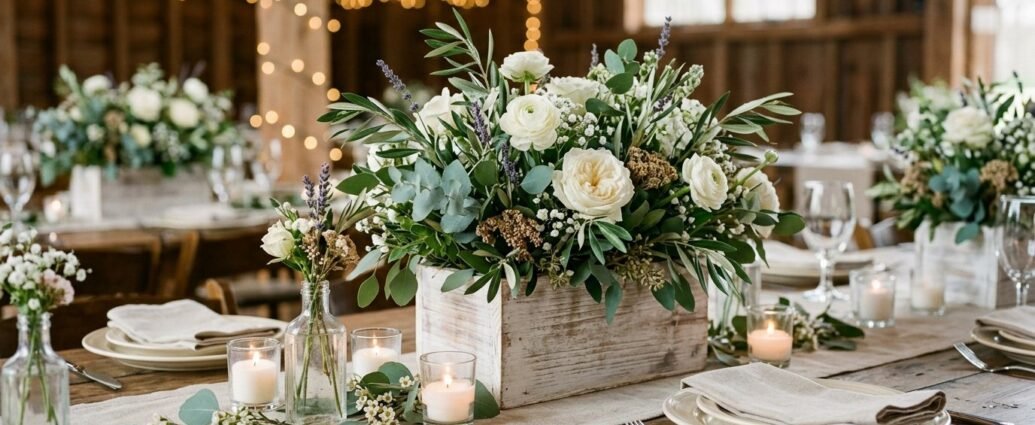
Do you ever scroll through wedding inspiration boards and feel that little knot of anxiety tighten in your chest — the one that whispers, this is beautiful, but I can’t afford any of it? I’ve sat across from so many couples in that exact place, dreaming of lush, romantic tablescapes while staring down a venue bill that’s already stretched them thin. The good news — and I mean genuinely good news — is that some of the most breathtaking centerpieces I’ve ever seen were built for under fifteen dollars a table.
In this post, we’re diving into eight distinct DIY wedding centerpieces you can actually pull off on a tight budget, using dollar-store finds, bulk dried botanicals, grocery-store blooms, and a little creative confidence. Whether your wedding aesthetic leans romantic, rustic, minimal, or wildly maximalist, there’s a style here that feels like you — and won’t require a second mortgage.
Key Takeaways
- Eight distinct centerpiece styles, each buildable for $8–$22 per table using accessible materials.
- Dollar stores, craft stores, and grocery floral departments are your best secret weapons for budget wedding decor.
- Dried botanicals (pampas, bunny tail, lavender) add texture and longevity without the fragility of fresh flowers.
- Bud vase clusters, candle arrangements, and lantern setups work across nearly every wedding aesthetic.
- Mixing two or three centerpiece styles across tables creates a curated, collected look for almost no extra cost.
- Material lists and approximate per-table costs are included for every style so you can budget with confidence.
Why Budget Centerpieces Can Look Just as Stunning
Before we get into the actual builds, I want to take a moment to reframe something. Cheap wedding centerpieces don’t have to look cheap — that’s the whole premise of everything I do here at Design and Dwelling. The difference between a $12 centerpiece that looks like an afterthought and a $12 centerpiece that stops guests mid-conversation is almost entirely about intentionality: texture layering, height variation, and cohesive color story.
The same principles I use when talking about inexpensive family room updates that actually work apply directly to wedding styling. You don’t spend more — you spend smarter, choosing materials that punch above their price point.
The Three Rules of Budget-Friendly Centerpiece Design
First: vary your heights. A cluster of objects at the same elevation reads flat. Mix something tall (dried grasses, a taper candle) with something low (a votive, a sprig of eucalyptus) and the whole arrangement feels intentional and layered.
Second: embrace negative space. You don’t need to fill every inch of the table. A single vase with three stems and two scattered tea lights can feel more editorial than an overcrowded foam-based arrangement.
Third: work in threes. Group objects in odd numbers. Three vases, five candles, seven stems. Odd groupings feel organic rather than arranged — and nature is always more beautiful than symmetry.
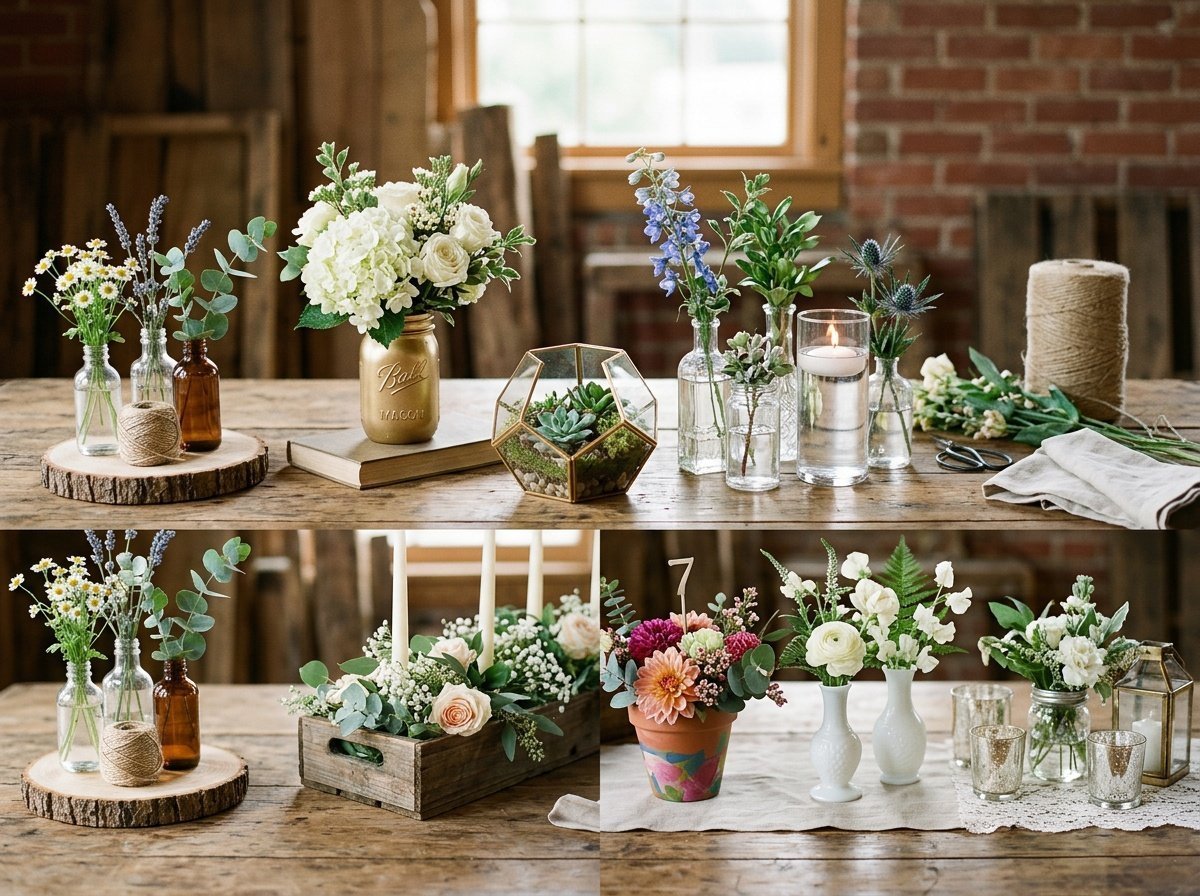
Style 1: The Candle Cluster — Romantic and Endlessly Versatile
If there is one centerpiece style that works for virtually every wedding aesthetic and almost every budget, it’s the candle cluster. Warm, glowing, immediately romantic — this style relies almost entirely on candlelight to do the emotional heavy lifting.
What You Need
- 3–5 glass votives or pillar candle holders (dollar store, $1 each)
- Pillar candles or tea light candles (dollar store, $1–$2 for a multipack)
- A few sprigs of dried eucalyptus or preserved greenery (craft store bulk, ~$0.50/sprig)
- Scattered dried rosebuds or petals (bulk bags, ~$2)
How to Build It
Cluster the candle holders at varying heights in the center of your table — you can achieve height variation by placing some holders on small overturned dishes or glass blocks (also dollar-store finds). Tuck sprigs of eucalyptus loosely between the holders. Scatter rosebuds across the base. That’s genuinely it.
Approximate cost per table: $8–$12. If you’re using flameless LED candles for an outdoor wedding or a venue with open-flame restrictions, the dollar store has those too.
Style 2: The Bud Vase Cluster — Minimal, Modern, Effortlessly Chic
The bud vase cluster is having a serious moment in wedding decor, and I am absolutely here for it. The look is intimate, modern, and deceptively easy to execute. Each vase holds just one to three stems, and the magic happens when you bring six to nine of them together on a runner.
Sourcing Vases on a Budget
Dollar stores regularly stock small glass bud vases, clear glass bottles, and even small ceramic vessels. Thrift stores are another goldmine — mismatched glass bottles in similar tones create a collected, lived-in look that feels far more expensive than it is. Aim for a mix of textures: clear glass, frosted, and one or two colored bottles for depth.
Choosing Your Stems
This is where your grocery store becomes your best friend. Most grocery-store floral departments stock single-stem options: spray roses, lisianthus, eucalyptus, baby’s breath, and seasonal branches. Buy in bulk the week before, condition your flowers in cool water, and trim on the day of. A single bunch of grocery-store spray roses ($6–$8) often yields enough stems to fill four to six bud vases.
Approximate cost per table: $10–$16 (including vases and stems). If you want a cohesive look without matchy-matchy energy, keep your stem colors within the same palette — all blush and ivory, all deep burgundy and forest green, all white and sage.
Style 3: The Lantern Setup — Moody, Atmospheric, Architectural
A single lantern in the center of a table feels both grand and grounded. This style works beautifully for outdoor weddings, barn venues, and anyone leaning into a romantic, slightly moody aesthetic.
Building the Lantern Look for Less
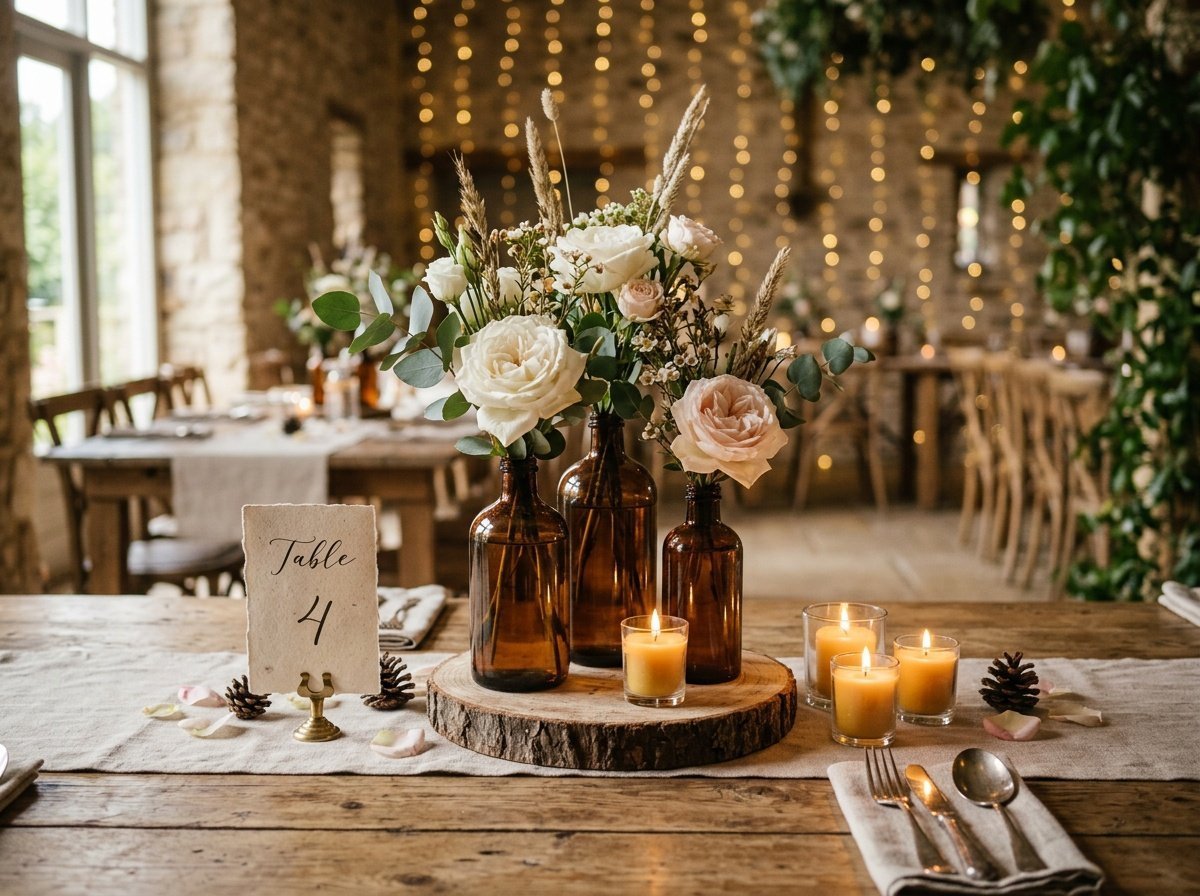
Lanterns themselves can be sourced from dollar stores (small versions), craft stores during sales, or even borrowed from friends and family. Don’t worry about matching — a mix of lantern sizes on different tables gives the overall room a charming, curated quality similar to what you’d find in a high-end venue. If you’re building your wedding arch at the same time, check out these DIY wedding arch builds for every style and budget — many of the same materials cross over beautifully.
What to Place Inside and Around the Lantern
Inside: a pillar candle, a cluster of tea lights, or a battery-operated candle for safety. Around the base: dried pampas grass clippings, a few stems of dried lavender, small pinecones, or scattered rose petals. If you want a more lush look, tuck fresh eucalyptus around the lantern base and add two or three bud vases on either side.
Approximate cost per table: $10–$18 depending on lantern source. Borrowed or second-hand lanterns drop this significantly.
Style 4: The Wildflower Bucket — Abundant, Joyful, Countryside Beautiful
There is something deeply romantic about a centerpiece that looks like someone just walked through a meadow and set their harvest down on your table. The wildflower bucket is the most generous-feeling of all our styles — it’s abundant, full, and exuberantly alive.
The Container
A galvanized tin bucket or an enamel pitcher from the dollar store (usually $2–$4) is perfect. You can also use a terracotta pot wrapped in brown kraft paper and tied with twine for a more earthy finish. The container is part of the story — don’t overlook it.
Building the Arrangement
The trick to a wildflower-style arrangement is to resist the urge to be tidy. Buy a few inexpensive bunches from your grocery-store floral department — Queen Anne’s lace, sunflowers, snapdragons, and baby’s breath all contribute to that loose, just-picked quality. Mix in dried elements like bunny tail grass or dried lavender for texture that won’t wilt mid-reception.
Fill your container with floral foam or a simple ball of chicken wire to anchor stems at varied angles. The looser and more asymmetrical, the better this style reads. Approximate cost per table: $12–$20.
Style 5: The Dried Botanical Tower — Modern, Long-Lasting, Zero Wilting
If you’re planning months in advance or worried about temperature at your venue, dried botanicals are genuinely your best friend. DIY floral arrangements built entirely from dried materials can be assembled weeks ahead of time, require zero water, and actually look better as they age and settle into their arrangement.
The Best Dried Botanicals for Budget Builds
| Botanical | Where to Source | Avg. Bulk Cost | Best For |
|---|---|---|---|
| Pampas Grass | Craft stores, Amazon bulk | $8–$15/bundle | Height, drama, boho texture |
| Bunny Tail Grass | Craft stores, Etsy bulk | $5–$10/bundle | Filler, soft texture |
| Dried Lavender | Farmers markets, bulk online | $6–$12/bundle | Scent, color, classic romance |
| Dried Wheat Stalks | Craft stores, dollar stores | $3–$6/bundle | Rustic, autumn, farmhouse |
| Dried Rosebuds | Etsy, Amazon, bulk herb suppliers | $4–$8/bag | Color pops, scattered detail |
Building the Tower
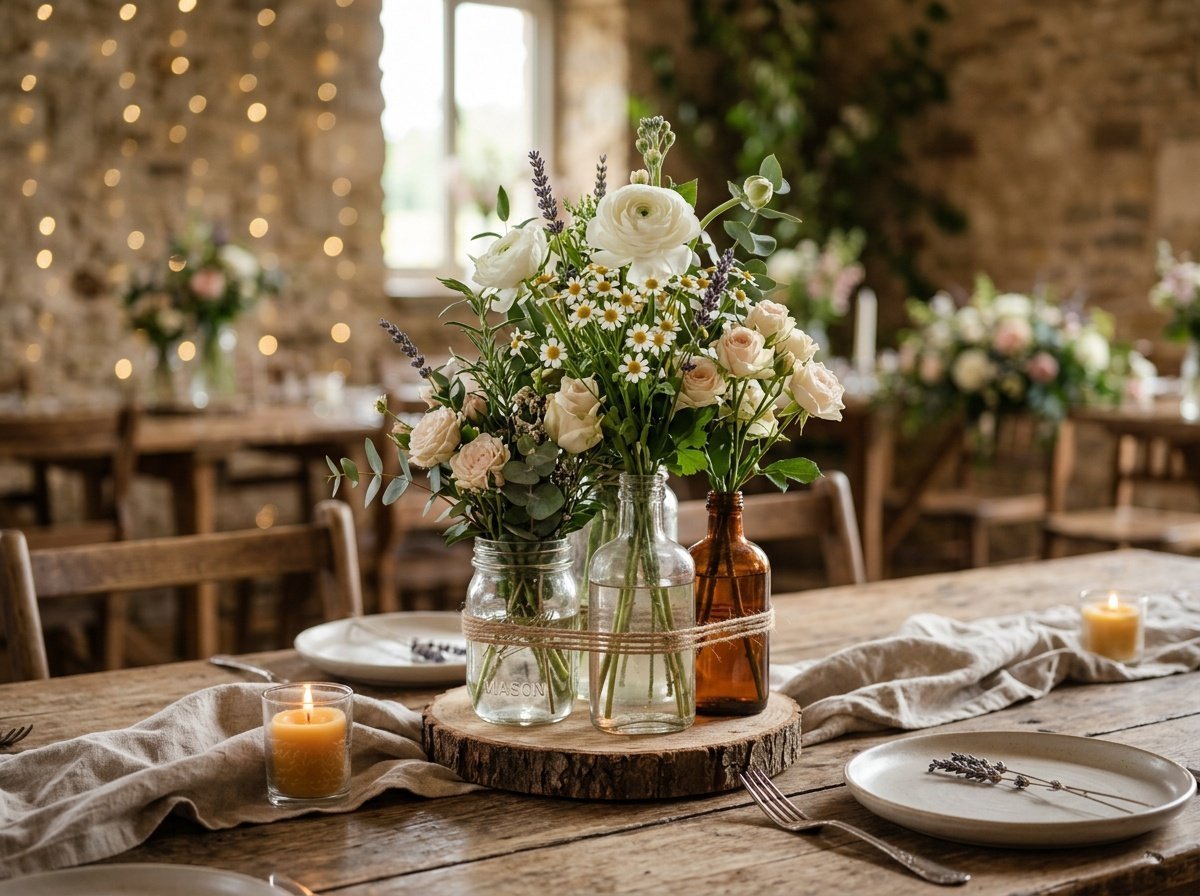
Use a tall, narrow vase (dollar store or thrifted) as your anchor. Layer pampas or wheat stalks as your tallest element, then fill in with bunny tail and lavender. Finish with a few dried rosebuds at the base. Approximate cost per table: $8–$14 when sourcing botanicals in bulk to share across multiple arrangements.
Style 6: The Greenery Runner — Lush, Organic, and Surprisingly Affordable
Not every centerpiece needs to be a vertical arrangement. The greenery runner lays along the length of the table, creating a sense of abundance and intimacy that feels almost like dining in a garden.
Building a Runner Without a Florist
Eucalyptus is your hero here. A large bunch of grocery-store eucalyptus costs roughly $6–$10 and goes much further than you’d expect when you break it into individual sprigs and lay them in an overlapping cascade down the table. Supplement with ivy (sometimes available at dollar stores in faux form, which actually works beautifully here), lemon leaf, or any leafy greenery that feels right for your palette.
Tuck in small votives, scattered dried rosebuds, or a few grocery-store blooms along the runner for color. The key is to make it feel grown rather than placed. Approximate cost per table: $9–$15.
“The most beautiful wedding tables I’ve ever styled weren’t the most expensive ones — they were the most intentional ones. Budget is just a constraint that forces you to be more creative.”
Style 7: The Single Statement Stem — Minimal, Modern, and Surprisingly Powerful
Sometimes less is genuinely more. The single statement stem centerpiece is the quietest of our eight styles — and often the most striking, especially in minimal or contemporary wedding settings.
Choosing Your Statement Stem
You need one flower that can hold its own alone: a large-headed garden rose, a single protea, an oversized dahlia, or a dramatic amaranthus stem. Grocery stores often carry these as individual stems. Place it in a slender, tall vase (clear glass or bud-vase style) and let the architecture of the bloom do all the work. Add a single trailing sprig of eucalyptus if you want a whisper of softness.
Approximate cost per table: $5–$10. This is your most budget-friendly option and works extraordinarily well when paired with a beautiful linen tablecloth or a textured runner. The less going on around it, the more powerful it becomes.
Style 8: The Mixed-Media Eclectic Arrangement — Maximalist, Collected, Unforgettable
For the couple who loves a curated maximalist moment — this one’s for you. The mixed-media arrangement combines dried and fresh botanicals, varied vessels, candles, and found objects into something that feels less like a centerpiece and more like a still life painting.
How to Make Eclectic Feel Cohesive
The secret is a consistent color palette. You can mix dried pampas with fresh roses, vintage books with crystal votives, and terracotta vessels with glass bottles — as long as every element shares at least one color or tonal connection, the whole arrangement reads as intentional rather than chaotic. This is the wedding table decor equivalent of a well-styled bookshelf: collected, layered, personal.
Source your vessels from thrift stores, the dollar store, and your own home. Raid your bookshelves, your windowsills, your grandmother’s cabinet. The most personal objects often create the most beautiful centerpieces. Approximate cost per table: $15–$22 (though much of this can be brought down significantly with found and borrowed items).
Frequently Asked Questions
How far in advance can I make DIY wedding centerpieces?
Dried botanical arrangements can be made weeks or even months in advance — they actually improve with time as the stems settle. Fresh flower arrangements should be assembled no more than 24–48 hours before your event, with stems conditioned in cool water. Candle and lantern setups can be fully assembled anytime and stored flat.
Where is the best place to buy cheap wedding centerpiece supplies?
Dollar stores are your first stop for glass vessels, votives, candles, and basic greenery. Grocery-store floral departments offer surprisingly fresh, affordable blooms — especially if you go midweek when new stock arrives. Craft stores like Michaels or Hobby Lobby often have bulk dried botanicals, especially when on sale. Etsy wholesale and Amazon are great for bulk dried flowers ordered a few weeks out.
Can I mix different centerpiece styles at my wedding?
Absolutely — and honestly, it often looks better than every table being identical. Try alternating between two styles: a tall dried botanical tower on some tables and a low bud vase cluster on others. The variety creates visual rhythm across the room and feels curated rather than cookie-cutter. Just keep your color palette consistent to hold everything together.
How do I keep fresh grocery-store flowers looking good all day?
Start by conditioning your flowers 24–48 hours ahead: cut stems at a 45-degree angle underwater, remove all leaves below the waterline, and place in cool fresh water with a drop of bleach or a commercial flower food packet. On the day of, keep arrangements in a cool room until setup. Avoid direct sunlight and heat sources during the reception if possible.
What’s the cheapest wedding centerpiece style overall?
The single statement stem and the candle cluster tie for most budget-friendly, both averaging $5–$12 per table. If you already have candles and a few glass vessels at home, you can potentially build a candle cluster for under $5 a table. Dried botanical builds also become extremely cost-effective when you buy materials in bulk and share across multiple tables.
How many centerpieces do I need for a typical wedding?
Plan for one centerpiece per guest table, plus any accent arrangements for the sweetheart table, bar, welcome table, and gift table. For a 100-person wedding with tables of 8, you’d typically need 12–14 guest table centerpieces. Factor this into your per-table budget to calculate total material costs accurately.
Can dollar-store flowers work for wedding centerpieces?
Dollar stores vary widely — some carry surprisingly decent faux florals and seasonal fresh stems. Faux flowers have come an enormously long way in quality, and for dried-style or eclectic arrangements, high-quality faux elements can be genuinely beautiful and reusable. For fresh-flower arrangements, the grocery store is typically a more reliable source for quality stems.
Building your own DIY wedding centerpieces doesn’t mean settling — it means choosing intentionally, creating personally, and putting something of yourself into every table in the room. Each of the eight styles we’ve explored today can be adapted, layered, and mixed to suit your aesthetic, your venue, and your story. And if you’re tackling more of your wedding decor as DIY projects, the same creative confidence that makes a beautiful centerpiece is exactly what you’ll bring to everything else. Start with one style, build your confidence, and trust the process. Your guests won’t see the budget — they’ll just feel how beautiful it is. 🌿
Hosting the wedding at home? Our backyard wedding ideas guide ties the centerpieces into the whole day.