Luxury home interior design is more than just expensive furnishings and ornate details—it’s about creating a space that feels both sophisticated and deeply personal. As someone who has spent years exploring the nuances of high-end design, I’ve discovered that true luxury lies in the thoughtful curation of elements that bring comfort, quality, and meaning to your everyday life. Whether you’re planning a complete renovation or simply looking to elevate your current space, this guide will walk you through the essential principles and practical applications of luxury interior design that can transform your home into a sanctuary of style and substance.
What Defines Luxury Interior Design Today?
The essence of luxury design combines quality materials, thoughtful details, and personalized elements
Today’s luxury interior design has evolved beyond ostentatious displays of wealth. The new definition of luxury embraces quality craftsmanship, bespoke elements, and spaces that tell your personal story. It’s about creating environments that not only look impressive but also function beautifully for your lifestyle.
Luxury design is characterized by attention to detail, from perfectly proportioned rooms to meticulously selected materials. It’s the subtle touches—hand-finished woodwork, custom upholstery, or perfectly positioned lighting—that elevate a space from merely expensive to truly luxurious.
The Quiet Luxury Approach
Many homeowners are now embracing “quiet luxury”—an understated richness that emphasizes craftsmanship and quality materials rather than obvious displays of opulence. This approach focuses on creating spaces that feel exclusive and special without shouting for attention. Think handcrafted furniture pieces, natural stone surfaces, and custom architectural details that whisper rather than announce their presence.
Core Principles of Luxury Home Interior Design
Quality Over Quantity
Invest in fewer, better pieces that will stand the test of time both in construction and style. A single handcrafted console table makes more impact than multiple mass-produced pieces.
Thoughtful Spatial Planning
Luxury spaces are designed with intention, considering flow, proportion, and the relationship between elements. Every room should have purpose and balance.
Personalized Details
True luxury reflects the personality and lifestyle of the homeowner. Custom solutions and personal touches create spaces that feel uniquely yours.
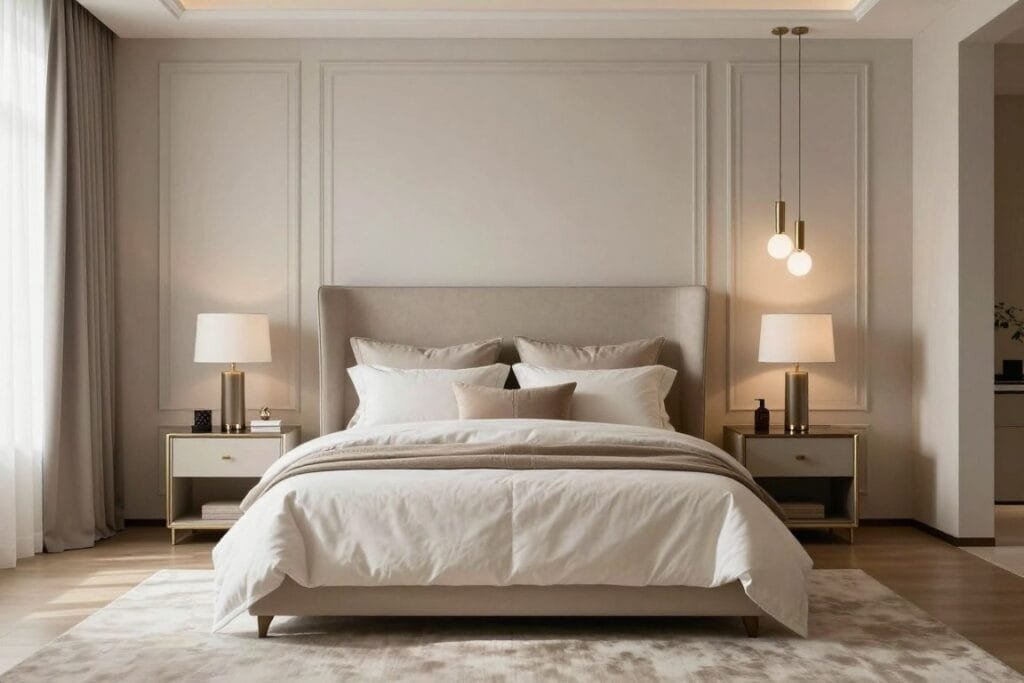
Luxury Materials and Textures
The foundation of luxury interior design lies in the materials you choose. High-quality, authentic materials not only look better but also age more gracefully, developing character over time.
Natural Stone
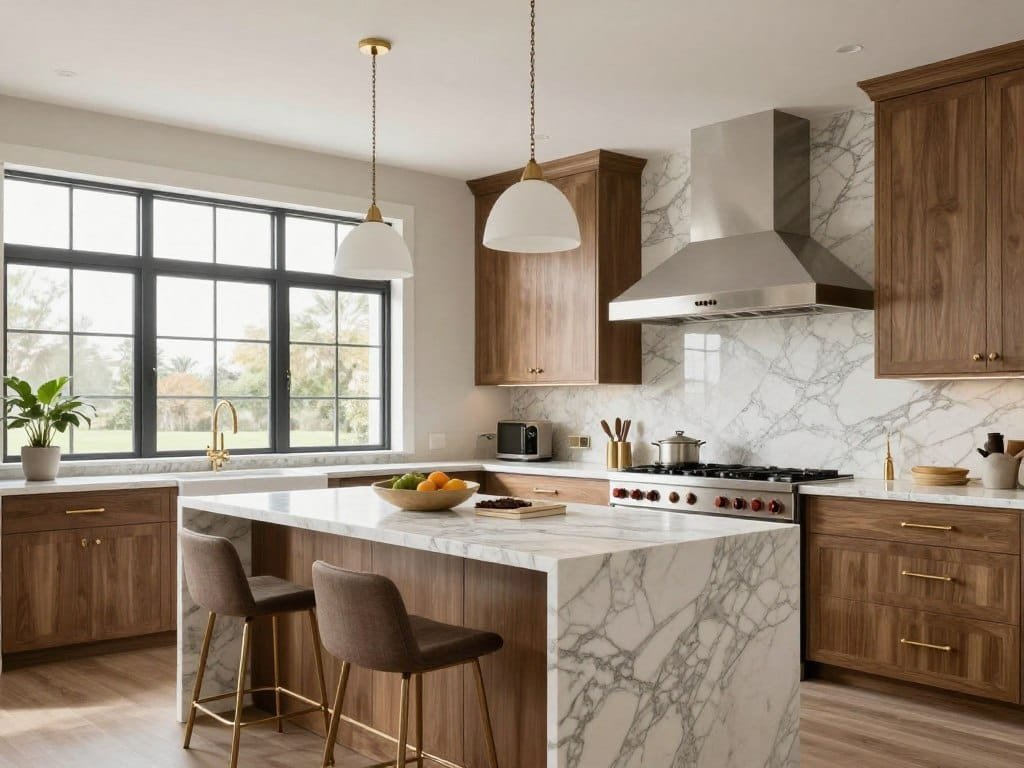
Marble, onyx, and travertine add instant sophistication to any space. Each slab tells its own geological story through unique veining and coloration. Consider book-matched marble for dramatic effect in bathrooms or as a kitchen backsplash.
Fine Woods
Rich, character-filled woods like walnut, oak, and burl are making a strong comeback in luxury interiors. Look for pieces with interesting grain patterns and expert joinery. Reclaimed timber adds both sustainability credentials and a sense of history to your space.
Luxurious Textiles
Layer different textures to create depth and interest. Velvet, silk, cashmere, and high-quality linen add tactile luxury to upholstery, window treatments, and bedding. Consider hand-embroidered details or custom trims for that extra touch of exclusivity.
“Luxury is in the details. It’s in the daily experience of touching a beautifully crafted door handle, sitting on a perfectly proportioned sofa, or feeling the weight of substantial silverware in your hand.”
Color Palettes for Luxury Interiors
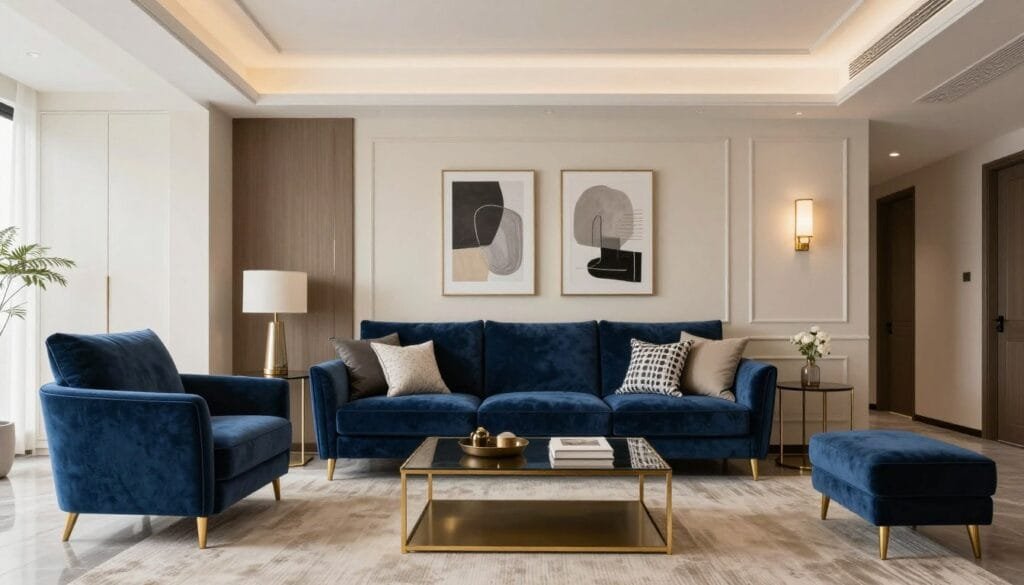
While neutral palettes remain a timeless choice for luxury interiors, don’t be afraid to explore richer hues that create atmosphere and personality. The key is thoughtful application and quality execution.
Timeless Neutrals
Sophisticated grays, taupes, and warm whites create a versatile backdrop for architectural details and statement furnishings. These neutrals can be layered with different textures to avoid feeling flat or boring.
Rich Jewel Tones
Deep sapphire blue, emerald green, and burgundy add depth and drama when used strategically. These colors work beautifully for upholstery, accent walls, or as part of a curated art collection.
Metallic Accents
Gold, brass, and bronze details add warmth and sophistication to luxury interiors. Consider unlacquered brass that will develop a beautiful patina over time, or mix metals thoughtfully for a more collected look.
The Art of Luxury Lighting Design
Lighting is perhaps the most transformative element in luxury interior design. A thoughtful lighting plan creates atmosphere, highlights architectural features, and showcases art and objects.
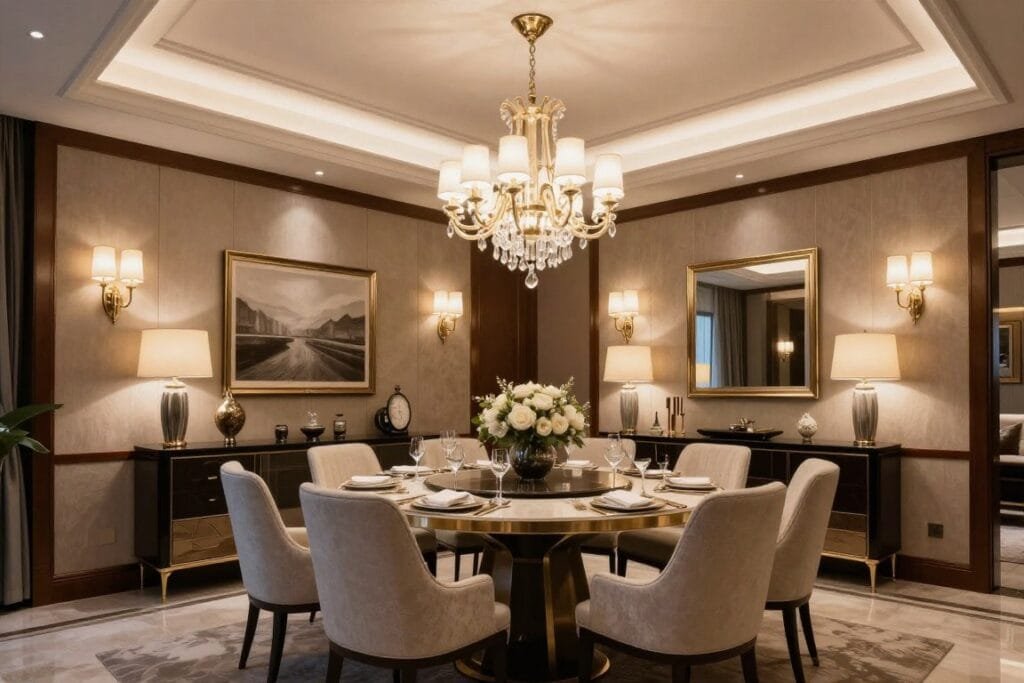
Statement Fixtures
A sculptural chandelier or pendant light can serve as the jewelry of a room. Invest in pieces that reflect your personal style—whether that’s a handblown glass fixture or a modernist brass pendant.
Layered Lighting Approach
Combine ambient, task, and accent lighting to create flexible scenes for different activities and times of day. Consider installing dimmers on all switches for maximum control over the mood of your space.
Architectural Lighting
Cove lighting, wall washers, and carefully positioned recessed lights can highlight architectural features and create a sense of depth. Work with a lighting designer early in your renovation process to integrate these elements seamlessly.
Selecting Furniture for Luxury Interiors

Furniture selection is where many luxury interiors truly distinguish themselves. Focus on pieces that combine beautiful design with exceptional comfort and craftsmanship.
Investment Pieces
Identify the furniture that will anchor your space—perhaps a sofa, dining table, or bed—and invest accordingly. These pieces should be of the highest quality you can afford, with timeless design that will serve you for decades.
Custom and Bespoke Options
Consider custom furniture for spaces with unique requirements or to achieve a specific design vision. Working with skilled craftspeople allows you to specify exact dimensions, materials, and details that make a piece truly yours.
Vintage and Antique Integration
Incorporating carefully selected vintage or antique pieces adds character, history, and uniqueness to luxury interiors. Mix periods thoughtfully to create a collected-over-time feel that can’t be replicated with all-new furnishings.
Not sure which style is actually yours?
Our quick design style quiz helps you name what you’re drawn to, which makes every decision after it a lot easier.
Art and Accessories: The Final Layer
The most personal elements of luxury interior design are often the art and objects that reflect your interests, travels, and aesthetic sensibilities. These pieces transform a well-designed space into a home that tells your story.
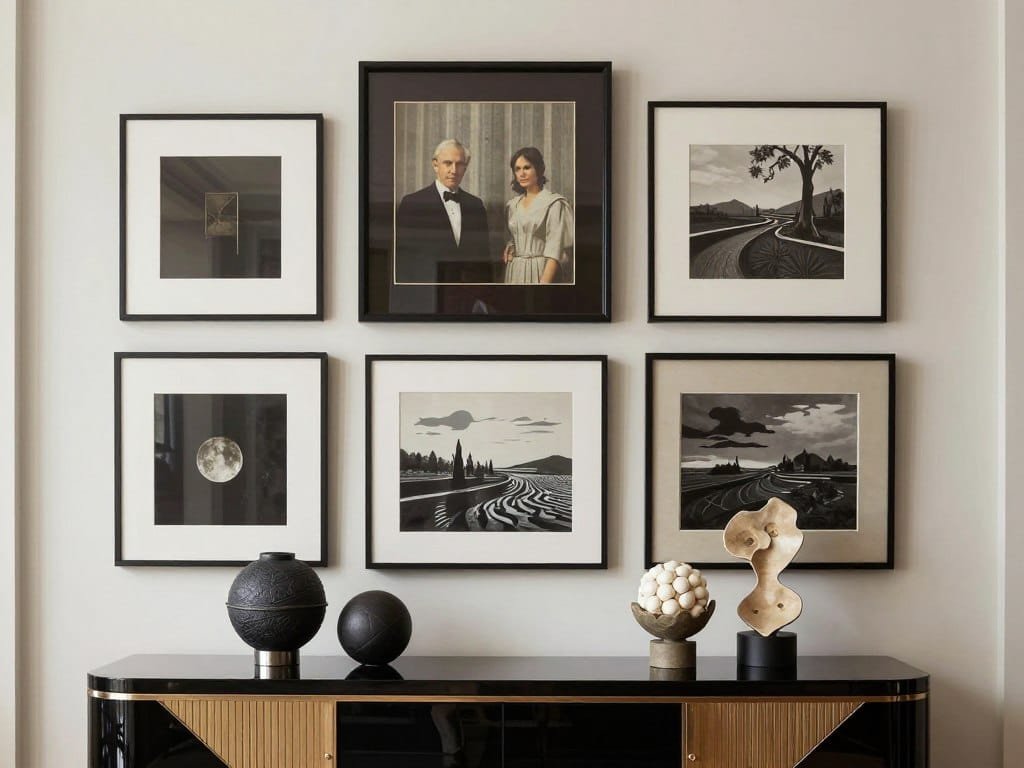
Curated Art Collection
Invest in original art that speaks to you personally. Work with an art advisor if you’re just beginning to collect, or explore galleries, art fairs, and emerging artist platforms to discover pieces that resonate with your taste.
Sculptural Objects
Three-dimensional objects add interest and create conversation points throughout your home. Look for pieces with interesting materials, craftsmanship, or provenance—whether contemporary ceramics or ancient artifacts.
Books and Collections
Beautifully displayed books and thoughtfully arranged collections reflect your interests and add personality to your space. Consider custom shelving or display cases to showcase these personal treasures properly.
Designing Luxury Rooms: Space by Space
The Luxury Living Room
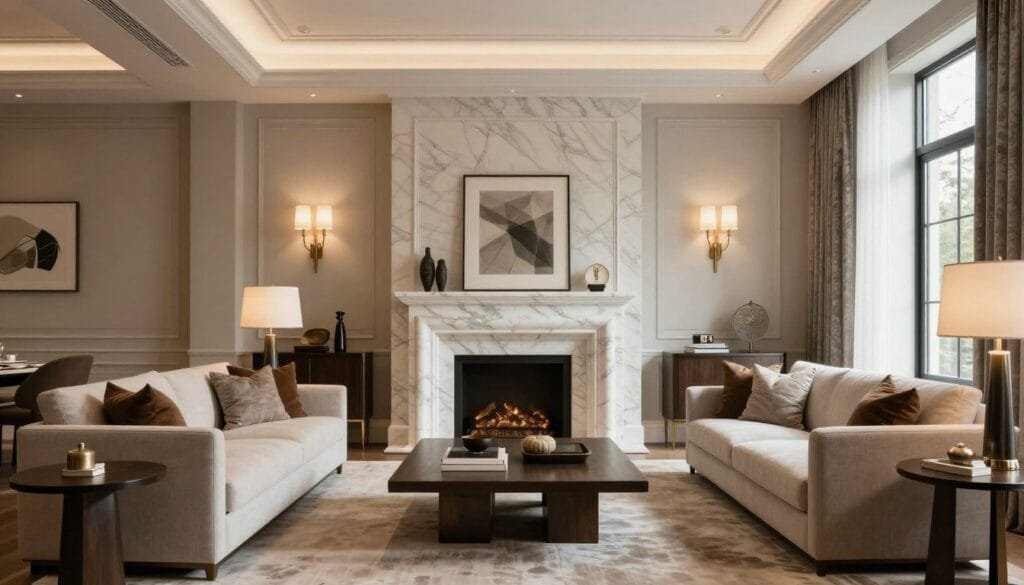
The living room often serves as the showcase of a luxury home. Focus on creating a space that balances impressive design with genuine comfort and functionality. Consider a mix of seating options to accommodate both intimate conversations and larger gatherings.
Key elements include a statement fireplace or architectural focal point, comfortable yet sophisticated seating, and thoughtful lighting that creates different moods throughout the day and evening.
The Primary Bedroom Retreat
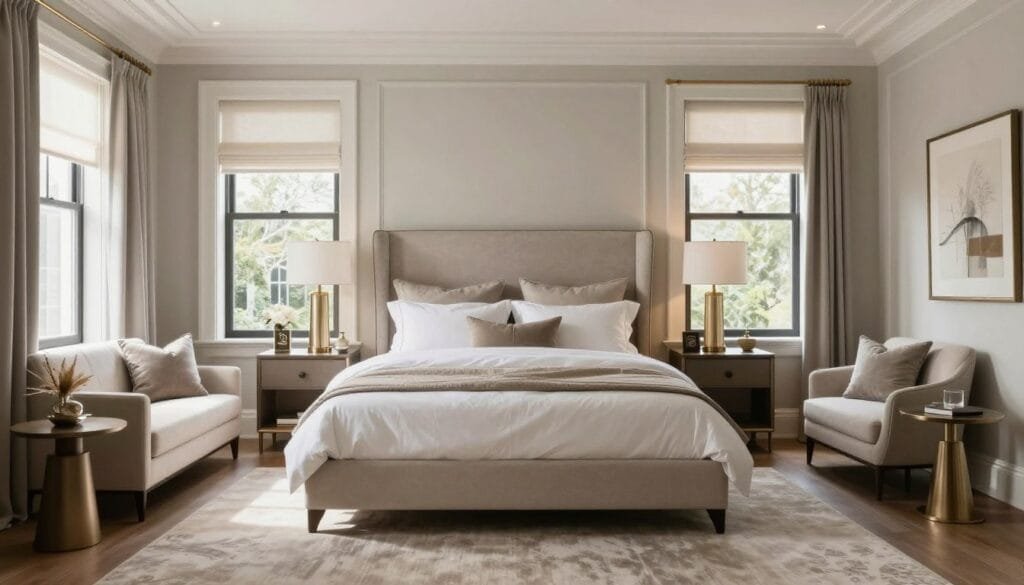
A luxury primary bedroom should feel like a sanctuary. Invest in the highest quality mattress and bedding you can afford—these are investments in your wellbeing. Consider a custom headboard as a focal point, and incorporate a comfortable seating area if space allows.
Lighting should be layered and flexible, with options for reading, ambient illumination, and task lighting. Custom window treatments that completely block light when desired are worth the investment for better sleep quality.
The Gourmet Kitchen
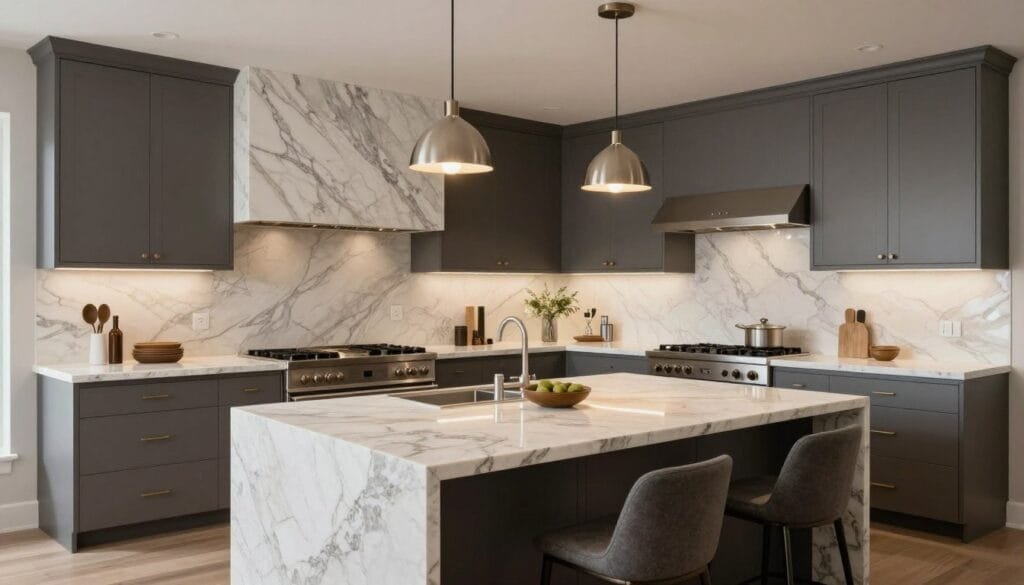
Today’s luxury kitchens balance professional-grade functionality with beautiful design that integrates seamlessly with adjacent living spaces. Consider custom cabinetry with specialized storage solutions, professional-grade appliances (potentially integrated behind cabinetry panels), and durable, beautiful countertop materials like quartzite or marble.
Include a generously sized island with seating for casual dining and socializing while cooking. Statement lighting above the island creates a focal point and defines the space within open-plan layouts.
Smart Home Integration in Luxury Design
Modern luxury interiors seamlessly incorporate technology to enhance comfort, convenience, and entertainment without compromising aesthetics.
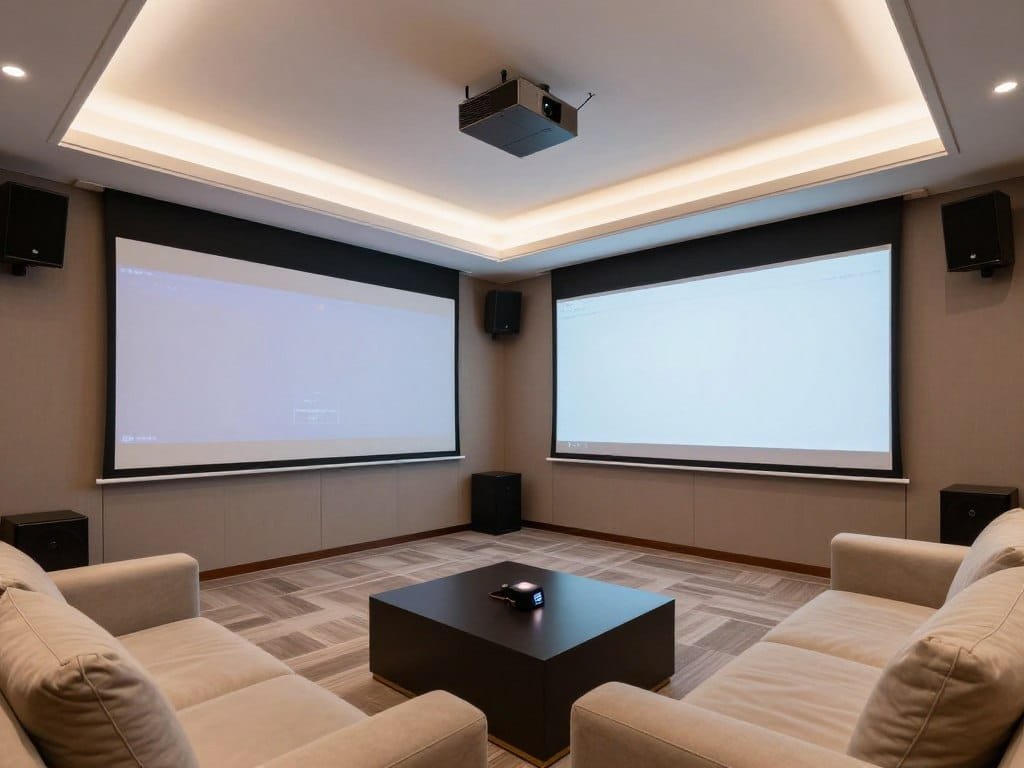
Invisible Technology
Work with specialists to integrate systems that enhance your lifestyle while remaining visually unobtrusive. Consider motorized window treatments, hidden speakers, and televisions that disappear when not in use.
Lighting Automation
Programmable lighting systems allow you to create and recall specific scenes for different activities and times of day. These can be integrated with other home systems for seamless control.
Climate and Comfort
Smart climate control, air purification, and acoustic treatments contribute to the sensory experience of luxury living. These elements may not be immediately visible but significantly impact how a space feels.
Working with Luxury Interior Designers
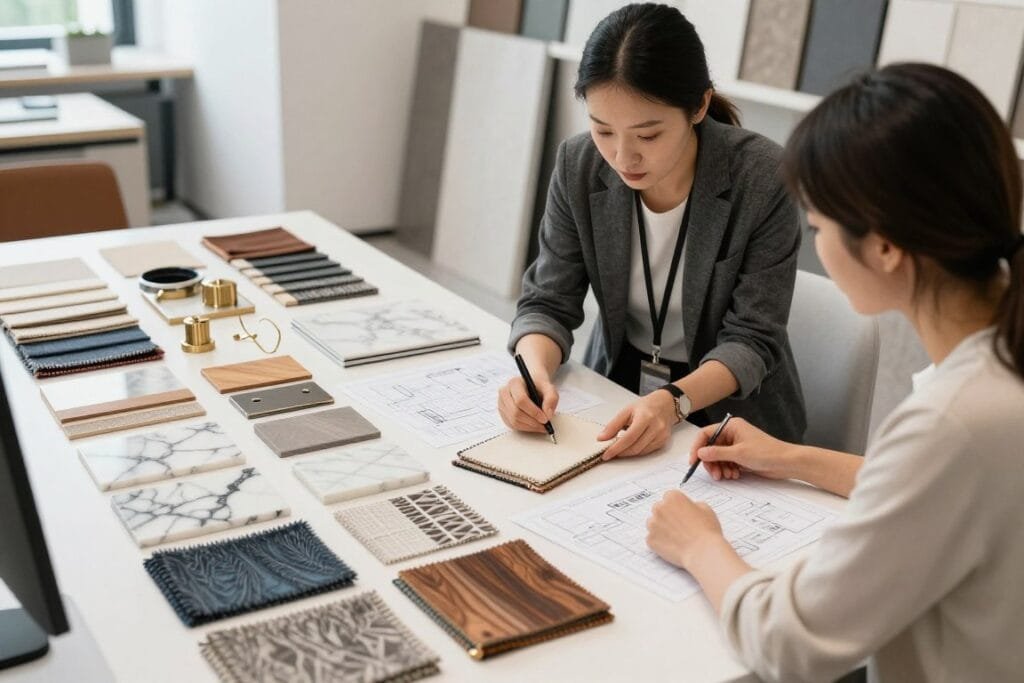
Partnering with an experienced interior designer can elevate your project and help you navigate the countless decisions involved in creating a luxury interior. The right designer brings not only aesthetic vision but also technical expertise and industry connections.
Finding the Right Match
Look for designers whose portfolio resonates with your aesthetic sensibilities, even if the specific style differs from your vision. The most important factor is finding someone who listens well and understands your lifestyle needs.
The Design Process
A comprehensive design process typically includes concept development, space planning, material and furniture selection, custom element design, procurement, and installation oversight. Be prepared to engage actively throughout this journey.
Budget Considerations
Be transparent about your budget from the beginning. A good designer will help you allocate resources strategically, identifying where to invest for maximum impact and where more moderate options might suffice.
Sustainable Approaches to Luxury Design
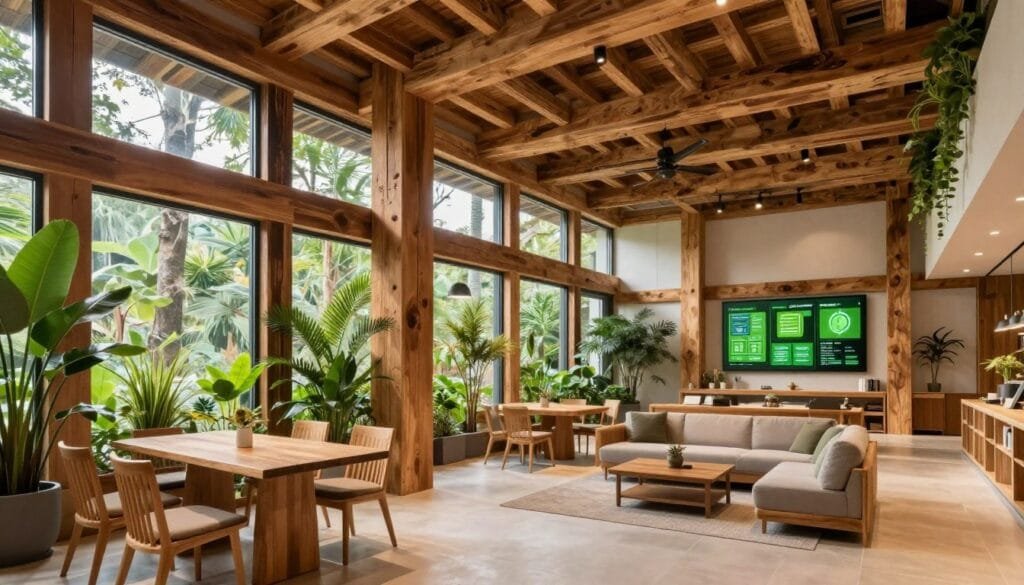
Today’s most forward-thinking luxury interiors incorporate sustainable practices without compromising on beauty or quality. This approach reflects a deeper understanding of true luxury as responsible stewardship.
Quality and Longevity
Perhaps the most sustainable approach is investing in quality pieces designed to last generations rather than following trends. Consider how materials will age and whether items can be repaired rather than replaced.
Thoughtful Material Selection
Research the provenance of materials, opting for those that are responsibly sourced, locally produced when possible, and free from harmful chemicals. Consider reclaimed or repurposed materials that bring character and history to your space.
Energy Efficiency
Integrate energy-efficient systems and appliances that reduce consumption without compromising performance. Consider passive design principles that work with natural light and ventilation to create comfortable spaces with minimal energy use.
Creating Your Personal Luxury Experience
Ultimately, the most successful luxury interiors are those that reflect the personalities, values, and lifestyles of the people who inhabit them. True luxury feels deeply personal and creates a sense of belonging and wellbeing.
As you embark on your own luxury interior design journey, remember that the process should be as rewarding as the result. Take time to discover what truly resonates with you, invest thoughtfully in quality and craftsmanship, and create spaces that will bring you joy for years to come.
Not sure where to start in your own home?
Tell us what you’re working with and what you’d like it to feel like. We read every message, and the answer is often simpler and cheaper than people expect.