
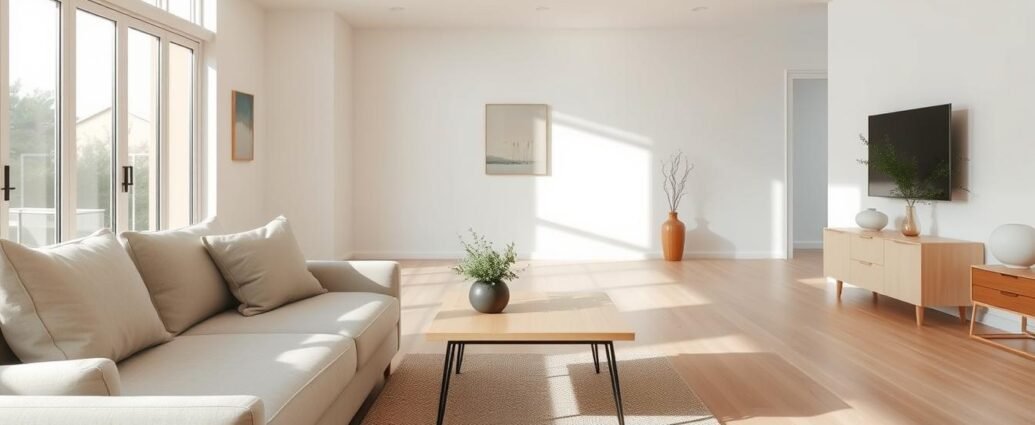
Welcome! We’re so excited to guide you on a journey toward a more peaceful home. Imagine walking into a room and instantly feeling calm and centered. That’s the magic we want to help you create.
This approach to styling your home is all about celebrating what truly matters. It’s a philosophy where less becomes more. We’ll show you how to strip away the excess and highlight the essential elements that make a room sing.
Think of this as your complete roadmap. You’ll learn to craft areas that breathe and function beautifully. Whether you’re starting fresh or simplifying your current setup, achieving a stunning, serene look is totally within your reach.
Ready to begin? We’ll walk through the core ideas and share practical, actionable steps you can start today. Get ready to see how clean lines and thoughtful choices can transform not just your space, but how you feel in it every single day!
Introduction to the Minimalist Philosophy
The journey to a more peaceful living space begins with understanding the philosophy behind it. This isn’t just about removing clutter—it’s a thoughtful approach to how we inhabit our homes.
Understanding the “less is more” mindset
Sharon Blaustein from B Interior LLC beautifully captures the essence: “Minimalism for me is about keeping a space simple, uncluttered and accentuating the attractive architectural features of a space.” This mindset creates freedom by removing what doesn’t serve you.
Every item should earn its place through function, beauty, or joy. The palette tends toward monochromatic tones with color used as accents. This aesthetic isn’t about deprivation but intentionality.
The evolution of minimalist styles in interior design
This approach traces back to early 20th century modern movements. They introduced open floor plans and clean designs free of unnecessary ornamentation.
As designer Robert Brown explains, “Minimalism allows something other than the space to be the focus.” Your attention shifts to people or beautiful views outside windows.
We love helping you embrace this philosophy in ways that feel warm and authentic. Explore more about thoughtful decoration choices that align with this timeless approach.
Defining the Core Principles of Minimalism
Let’s dive into the essential building blocks that make a minimalist space feel so incredibly peaceful and put-together. These core principles work together like a well-orchestrated symphony to create a home that is both beautiful and functional.
Simplicity, Clean Lines, and Functionality
Simplicity is the heart of this approach. It’s about giving every item breathing room and a clear purpose. Nothing is added just for show.
This is where clean lines become your best friend. Straight, uninterrupted lines create a sense of visual harmony and order. They make a room feel instantly calmer.
Architect Jennifer Tulley explains the importance of functionality perfectly: “Minimalism is an approach to design where the elements of the structure are simplified to their essential components. The design thrives on the beauty of the forms and the materials used.” Every piece must earn its place.
The Role of Natural Elements and Neutral Palettes
A neutral color palette acts as your calming canvas. Think soft whites, gentle grays, and warm earth tones. This use of color creates a serene backdrop for life.
To keep the space from feeling cold, we bring in natural elements. Wood, stone, and even a simple plant add warmth and texture. They connect your home to the outside world.
These principles are the foundation for creating a stunning and serene home. For a deeper dive into these concepts, explore this guide on minimalist interior design.
| Core Principle | Key Characteristic | Visual Effect | Feeling It Creates |
|---|---|---|---|
| Simplicity | Essential items only | Uncluttered surfaces | Calm and focused |
| Clean Lines | Straight, geometric forms | Sense of order | Peaceful and organized |
| Neutral Palette | Whites, grays, earth tones | Light and airy atmosphere | Serene and relaxing |
How to Achieve Minimalist Interior Design
The real magic happens when theory meets practice – let’s walk through the transformation process together! These practical tips will help you create a peaceful home that works beautifully for your life.
Step-by-step decluttering and organization
Start by tackling the clutter in each room. Designer Annette Frommer encourages us to question what we truly need: “If we really stop to think about it we do not need so many things; we can live in any space with a lot less.”
Evaluate every item honestly. Does it serve a real purpose or bring you joy? If not, it might be time to let it go. This clears space for what truly matters in your home.
Selecting functional furniture and decor
When choosing furniture, prioritize functionality and clean lines. Look for pieces that serve multiple purposes while maintaining a sleek appearance.
Architect Jennifer Tulley emphasizes smart storage solutions: “We make sure to provide ample closed storage so that the architecture and interiors can be uncluttered.” This keeps surfaces clear and peaceful.
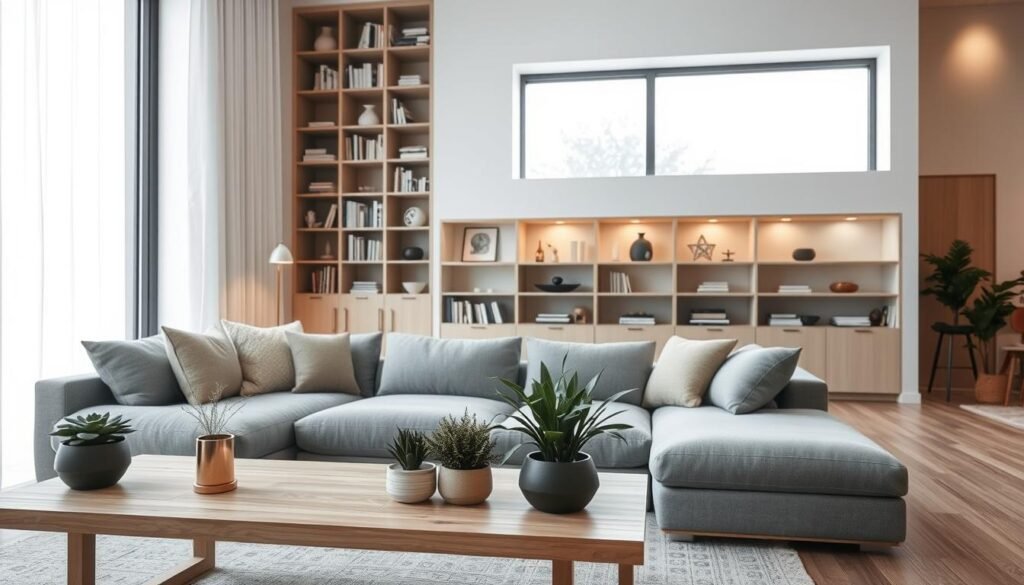
Select decor items carefully. Each piece should enhance your space without adding visual noise. These selection tips ensure every element contributes to your serene environment.
For more guidance on creating organized spaces, explore these minimalist design principles for modern living.
| Process Step | Key Focus | Practical Action | End Result |
|---|---|---|---|
| Decluttering | Removing excess items | Evaluate each possession | Clear, open spaces |
| Furniture Selection | Functional pieces | Choose multi-use items | Efficient living areas |
| Storage Solutions | Hidden organization | Incorporate closed storage | Clutter-free surfaces |
Key Elements of a Minimalist Space
What exactly makes a minimalist space feel so incredibly calming and put-together? It all comes down to a few key elements working in harmony. These fundamental components create that serene atmosphere you’re dreaming of.
Clean Lines, Geometric Forms, and Uncluttered Surfaces
Clean, straight lines are absolutely essential for creating visual order. They guide your eye smoothly through the room without distraction. Geometric shapes add sophistication while maintaining simplicity.
Uncluttered surfaces allow your beautiful architectural features to shine. Think clear countertops and streamlined shelving. Every item has purpose and placement in this thoughtful approach.
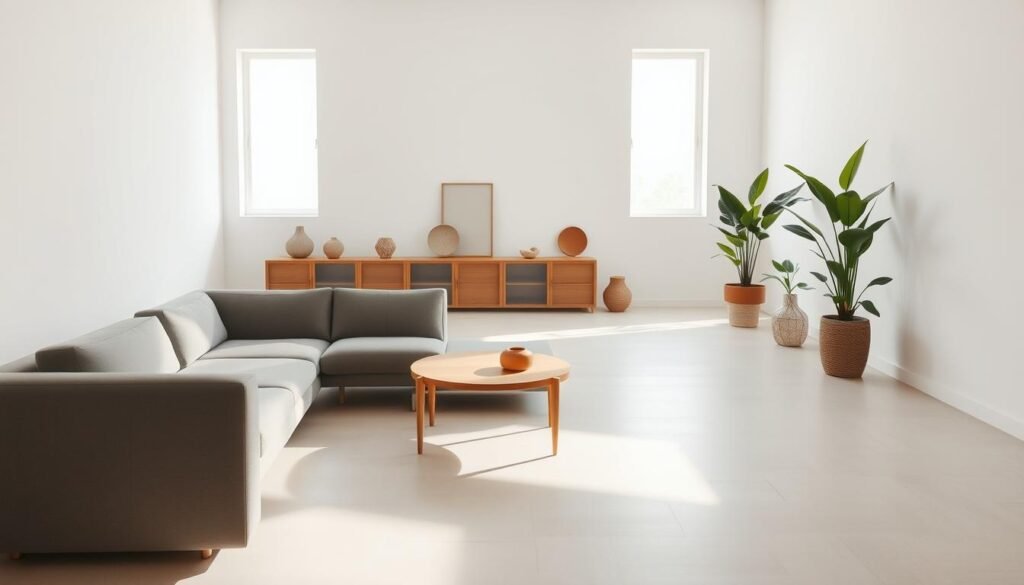
Utilizing a Neutral Color Palette for Calm
A neutral color palette forms your peaceful foundation. Soft whites, gentle grays, and warm earth tones create versatility. This backdrop lets other design elements stand out beautifully.
Designer Sharon Blaustein explains: “When using a monochromatic color palette, atmosphere is created by combining different shades, tints and textures to create a dynamic atmosphere.” Layer complementary tones for depth and warmth.
Natural and ambient lighting enhances these colors perfectly. Soft light filtering through windows highlights your space’s best features. The right illumination transforms the entire mood.
| Key Element | Visual Impact | Emotional Effect | Practical Application |
|---|---|---|---|
| Clean Lines | Creates visual flow | Feels organized | Straight furniture edges |
| Neutral Colors | Light, airy atmosphere | Promotes relaxation | White walls, earth tones |
| Uncluttered Surfaces | Highlights architecture | Reduces stress | Clear countertops |
| Strategic Lighting | Enhances textures | Creates warmth | Layered light sources |
Room-by-Room Guide to Minimalism
Ready to transform each space with thoughtful, intentional choices? Every area of your home deserves that peaceful, purposeful feeling. Let’s explore how to bring these beautiful ideas to life in your most important rooms.
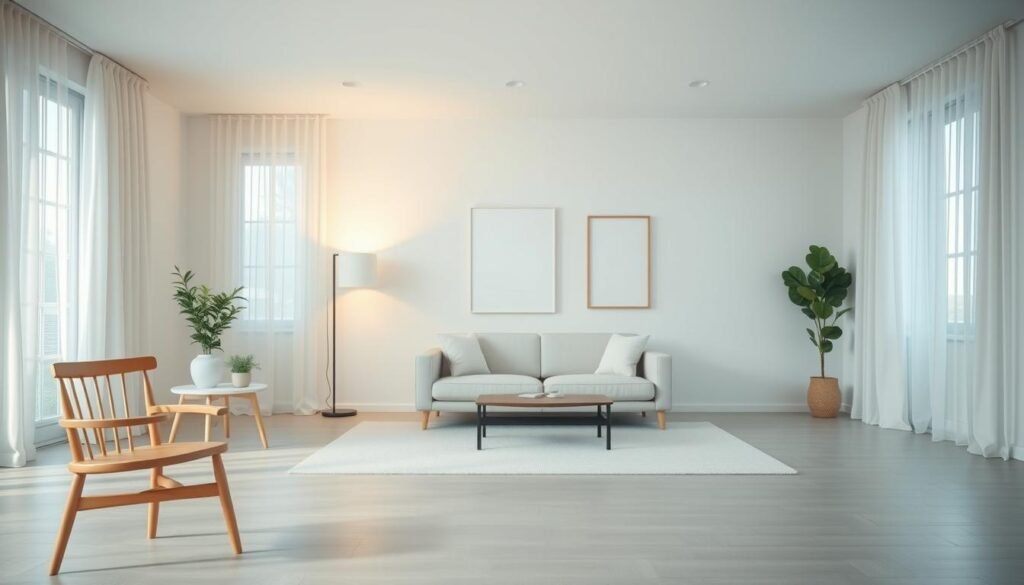
Design strategies for living areas and open-plan spaces
Your living room should be a true sanctuary. Designer Robert Brown created a condominium where “All of the furniture was purposeful—chairs to comfortably sit in, tables for drinks, hidden window treatments to allow views.” Every piece serves a clear function.
Choose seating that invites relaxation. Select tables that work for daily use. The goal is creating spaces that feel restful rather than stimulating. This approach works beautifully for open-plan areas too.
Tips for minimalist kitchens and bathrooms
Kitchens thrive on smart storage solutions. Architect Lilian H. Weinreich increased storage capacity by twenty percent using full-height cabinets and floor-to-ceiling pantries. Hide clutter behind sleek doors while maintaining clean lines.
Jennifer Tulley emphasizes precision: “We were careful to align all of the openings… installation of cabinetry must be nearly perfect.” This attention to detail creates seamless connections.
Bathrooms become spa-like retreats with natural materials. Consider tadelakt plaster or textured limestone floors. These elements add warmth while maintaining that clean, uncluttered look you love.
| Room Type | Key Strategy | Design Focus | End Result |
|---|---|---|---|
| Living Areas | Purposeful furniture placement | Comfort and function | Restful sanctuary |
| Kitchens | Smart storage solutions | Precision installation | Efficient workspace |
| Bathrooms | Natural material selection | Spa-like atmosphere | Relaxing retreat |
Overcoming Challenges in Minimalist Design
Creating a truly harmonious space isn’t always straightforward, but understanding common challenges makes all the difference. We want to help you avoid the pitfalls that can make rooms feel sterile instead of serene.
Balancing simplicity with warmth and functionality
The biggest hurdle is making your space feel inviting while maintaining clean lines. Sharon Blaustein shares her secret: “When using a monochromatic color palette, atmosphere is created by combining different shades, tints and textures to create a dynamic atmosphere.”
Layer soft wool fabrics, linen wallcoverings, and textured rugs. This approach adds depth without visual clutter. Your space gains warmth while keeping its elegant simplicity.
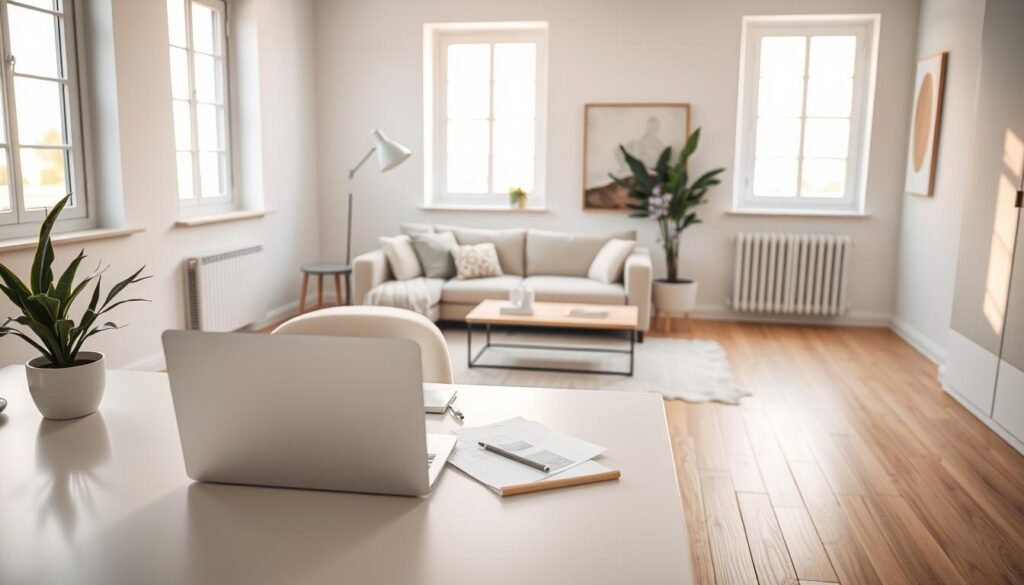
Knowing when to “stop” to avoid a cold, empty feel
Another key challenge is recognizing when your space is complete. Robert Brown explains: “If the space functions well, is simple in its composition without being overly stimulating, you know that you are finished.”
Trust your intuition like designer Annette Frommer. She feels when a room is “just so”—balanced and congruent. Resist the urge to keep adding pieces.
Pay close attention to how each element serves both aesthetic appeal and daily functionality. Your home should feel lived-in, not like a museum. Finding that sweet spot creates spaces that truly enhance your life!
Inspiration from Expert Designers and Architects
The most compelling evidence of this aesthetic’s versatility comes from studying real projects by industry leaders. These professionals demonstrate how clean principles can adapt to diverse lifestyles and preferences.
Real-life examples and case studies
Mary Senft of SenHoma draws from nature’s wisdom, using organic materials and warm neutrals inspired by Sedona’s desert landscape. Her approach blends modern and vintage pieces for timeless appeal.
Monica Fried Design proves that refined spaces can still feel luxurious. Her work features sculptural lighting and captivating art within clean, polished interiors.
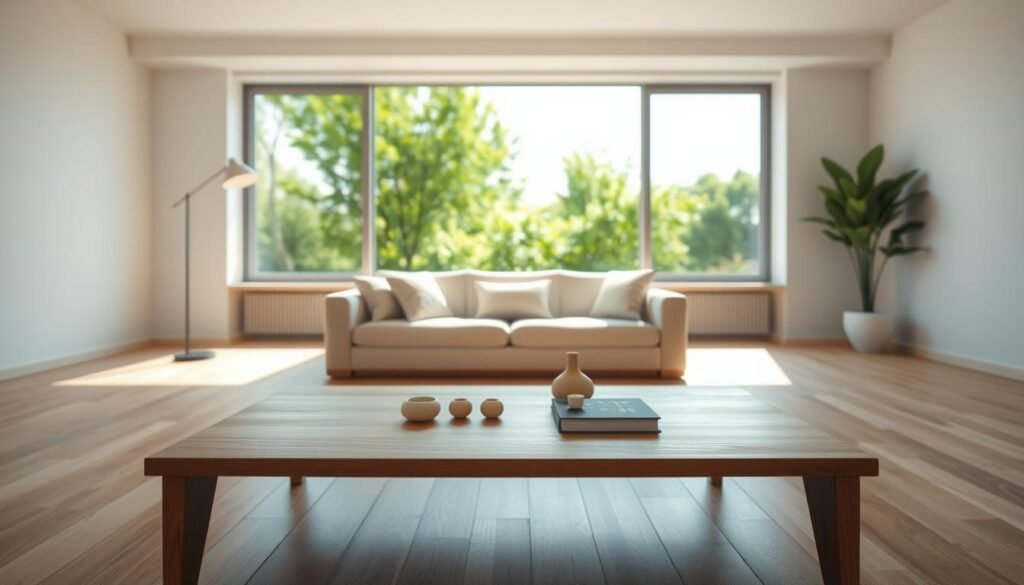
Sara Cukerbaum’s SLIC Design creates soulful environments that feel personal, not sterile. She introduces unexpected color pops like cobalt barstools against neutral backdrops.
Incorporating insights from top projects
Studio Keiko’s Keiko Harada blends Japanese, European, and Californian influences for exceptional balance. Her work shows how global inspiration enriches this approach.
For families, Chango & Co.’s Susana Simonpietri creates kid-friendly spaces with joyful children’s rooms. She maintains calm throughout the home while allowing color in appropriate areas.
Leigh Kirby of Weatherleigh Interiors demonstrates how antiques and heirlooms can coexist with contemporary pieces. This creates a collected-but-curated look that feels authentic.
These examples prove there’s no single “right” way to approach your space. Discover more creative ideas for your home that reflect your unique personality.
Conclusion
Congratulations on completing this comprehensive guide to creating a home that truly serves your well-being! You now have all the tips and inspiration needed to transform your living environment.
Remember that this approach is more than just a decorating style—it’s a lifestyle choice promoting simplicity and mindfulness. As the hospitality experts note, it brings purpose and functionality to your spaces.
Jennifer Tulley’s observation rings true: living in a well-designed, uncluttered space has a genuinely calming effect. It helps you focus on what matters most in your daily life.
We’ve covered everything from core principles to room-by-room strategies and furniture selection. Whether you prefer warm natural elements or sleek modern aesthetic, there’s a style that fits your personality.
Your journey starts with one small step—decluttering a drawer or choosing a neutral palette. Trust your instincts and enjoy creating a sanctuary that reflects your serene, intentional life!

