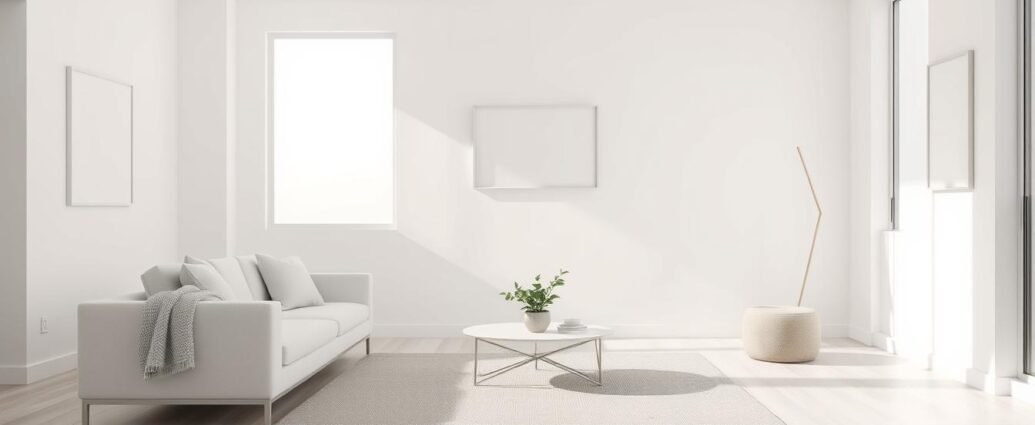
Welcome! We’re so glad you’re here to explore a design approach that brings more calm and joy into your living environment. This isn’t about stark, empty rooms. It’s about creating a space that feels truly like your sanctuary.
Think of it as a thoughtful edit of your surroundings. You intentionally keep what you love and what serves a purpose, letting go of the visual clutter that can weigh you down. The result is a breathable, peaceful atmosphere.
This style celebrates clean lines, soothing colors, and functional furniture. Every piece has a reason for being there. Together, they create a harmonious flow that makes your entire house feel more spacious and serene.
We’ll walk you through simple, achievable steps to make this vision a reality. Whether you’re starting fresh or refining your current look, our guide will help you build a nurturing environment. Let’s begin this inspiring journey toward a more elegant and simplified life!
Embracing the Less-is-More Philosophy
At its heart, this philosophy is about making conscious choices. It’s a deliberate way of shaping your environment to support a calmer, more focused life.
Understanding Minimalism
This isn’t about empty rooms. It’s a design style that values purpose over possession. Every item earns its place by being useful or bringing genuine joy.
The goal is to strip away the excess. This creates open, breathable spaces. Your interior becomes a canvas for calm, not a collection of clutter.
The Benefits of Simplification
Adopting this way of living offers profound rewards. You’ll spend less time cleaning and organizing. Your mind feels clearer without visual noise.
This approach creates breathing room in your life. Your space transforms into a personal retreat. It’s a place to recharge and focus on what truly matters.
| Before the Shift | The Core Idea | The Beautiful Result |
|---|---|---|
| Rooms filled with unused items | Intentionality in every choice | Spaces that feel light and free |
| Constant visual stimulation | Focus on essential elements | Reduced stress and mental clutter |
| Time spent managing possessions | Quality over quantity | More time for enjoyment and relaxation |
Decluttering to Create a Peaceful Space
Before we add anything new to your space, we need to address what’s already there—and what might be holding you back. Creating a calm environment starts with making room for peace by removing the excess.
Event planner Jung Lee, founder of Jung Lee NY, offers perfect advice:
“You want to stick to the essentials, so whatever you don’t need in a space, remove it.”
We love this approach because it focuses on what truly matters.
Letting Go of Unnecessary Items
Start by taking honest inventory of your current possessions. Are you keeping things out of guilt, habit, or because they were on sale? Be real with yourself about what you genuinely love.
Ask three powerful questions about each piece: Do I still love this? Do I use it regularly? Do I want to keep storing this for months when it’s not displayed?
Seasonal items that only see a few weeks of use each year often create the most clutter. They take up valuable storage without adding much value to your daily life.
Clear off your shelves completely. Only put back what brings you joy or serves a real purpose. You’ll immediately feel the difference in your stress levels.
This process of thoughtful decluttering your house transforms your entire room. Remember, beautiful decor begins with subtraction, not addition. Resist filling empty spots until you’ve cleared what you own, following these essential design principles.
Curating Minimalist Home Decor Essentials
With your space beautifully cleared, we can now focus on the art of selection. This is where we choose the essential elements that will bring your vision to life. It’s about adding back with purpose and joy.
Every item you introduce should feel intentional. Think of your room as a gallery for your favorite and most useful possessions.
Selecting Key Decor Pieces
When choosing your core pieces, prioritize impact and versatility. Look for items that serve more than one role or create a strong visual statement without creating clutter.
We recommend starting with the absolute necessities for each area. Then, slowly introduce only those carefully chosen accessories that truly enhance the space. A curated group of objects displayed together has far more power than items scattered about.
Focusing on Functionality
Functional design is the heart of this aesthetic. Each piece of furniture and every accessory must earn its spot. It should be either incredibly useful or bring genuine beauty that makes you smile.
Look for pieces that are both stunning and practical. A beautiful bowl can hold your keys. A gorgeous basket offers stylish storage. The goal is an airy, uncluttered feel that still radiates warmth and personality.
Remember, every single item you bring in needs a clear purpose. If it doesn’t serve your life or your joy, it’s best to leave it behind.
Choosing a Consistent Color Palette
Color has the incredible power to transform any space, setting the emotional tone for your entire environment. Your color palette acts as the unifying thread that ties everything together beautifully.
We recommend starting with a neutral base for your main color scheme. Think soft whites, warm grays, or earthy tones that create a peaceful foundation.
Neutral Tones vs. Accent Colors
Neutral doesn’t mean boring! You can create amazing depth using different shades and textures while maintaining that serene feel. If you love vibrant colors, incorporate them strategically.
Stick to just two or three carefully chosen colors that complement your neutral foundation. This restraint creates a cohesive look throughout your space.
Interior designer Alexa Hampton offers wise guidance:
“The most successful rooms often have a disciplined color story. Too many hues compete for attention and disrupt the harmony.”
Follow the 60/30/10 rule for balanced distribution:
| Percentage | Color Role | Application Areas |
|---|---|---|
| 60% | Dominant Color | Large surfaces like walls and main furniture |
| 30% | Secondary Color | Medium elements like curtains and rugs |
| 10% | Accent Color | Small decorative items and accessories |
This approach ensures your space feels intentional and harmonious. A consistent palette creates flow between rooms, making your entire environment feel connected and calm.
Incorporating Natural Materials and Textures
Texture is the magic ingredient that transforms stark rooms into cozy sanctuaries. Many people forget this crucial element when creating clean, intentional spaces. The result often feels cold rather than welcoming.
Wood becomes your best friend in this process. Whether it’s a beautiful wood floor, furniture pieces, or small accents, it brings organic warmth that nothing else can match. Natural materials create that connection to nature that makes any space feel soothing.
Layer different textures through throw pillows, chunky knit blankets, and woven baskets. This creates depth and visual interest without adding clutter. Think smooth ceramics beside rough-hewn wood, or soft fabrics against sleek surfaces.
Don’t forget vertical texture either! A textured wall hanging or wood slat accent wall adds beautiful dimension. You can build incredible richness through textures alone, proving that clean design doesn’t need lots of items to feel complete.
The right mix of natural materials and texture makes your environment inviting while remaining airy and streamlined. It’s that perfect balance between warmth and simplicity that creates truly nurturing spaces.
Highlighting Architectural Features
Sometimes the most powerful design statement comes from what your house already possesses. Your space has unique bones that deserve celebration rather than concealment.
We love letting original structures become the stars of your room. This approach creates authentic character that feels deeply personal.
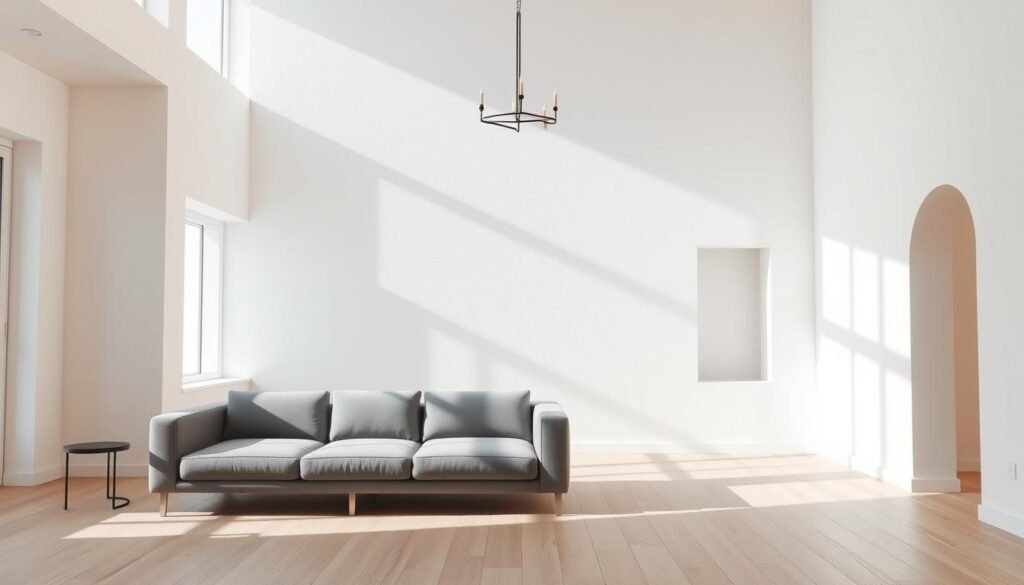
Showcasing Unique Structures
Think about the special elements in your space. Exposed brick walls, beautiful moldings, or interesting ceiling beams add natural texture.
When you clear away excess items, these features become stunning focal points. They provide visual interest without needing extra decorative pieces.
Consider emphasizing one standout wall or feature with color. Painting a brick fireplace black creates a dramatic statement that honors your home’s history.
This technique works with any architectural style. Whether you have midcentury modern lines or historic proportions, letting the structure shine creates authenticity.
| Architectural Element | Traditional Approach | Minimalist Strategy |
|---|---|---|
| Brick Fireplace | Cover with mantel decor | Paint dramatic color as focal point |
| Large Windows | Add heavy curtains and treatments | Keep clean to highlight natural light |
| Built-in Shelving | Fill completely with items | Curate few meaningful pieces |
By showcasing these unique features, you create a design that feels rooted in your home’s true character. This approach aligns perfectly with principles of intentional design.
Your space becomes a gallery celebrating its own beautiful architecture. Every wall tells a story when you let it speak for itself.
Utilizing Multipurpose Furniture
When every square foot counts, selecting versatile furniture becomes your most powerful design strategy. We’re talking about pieces that work double or triple duty to maximize your space.
Smart choices reduce the number of items you need while maintaining full functionality. This approach keeps your environment feeling open and breathable.
Streamlined Storage Solutions
Look for furniture with built-in organization features. A coffee table with hidden shelves keeps remotes and blankets accessible but out of sight.
Built-in cabinets and floating shelves provide clean storage without visual clutter. These solutions maintain that airy aesthetic we love.
Versatile Seating Options
Ottomans are true superstars in this category. They can serve as extra seating, footrests, or even a coffee table when topped with a tray.
Consider benches with hidden storage or convertible sofas that adapt to different needs. Each table and chair should earn its place through multiple functions.
This thoughtful approach to furniture selection creates spaces that work beautifully for daily life. For more inspiration on functional design, explore our kitchen design ideas that follow similar principles.
Enhancing the Space with Layered Lighting
The right lighting strategy can transform a simple room into a multi-dimensional sanctuary. Many people make the mistake of leaving areas too dark, which creates a cold feeling instead of peaceful calm.
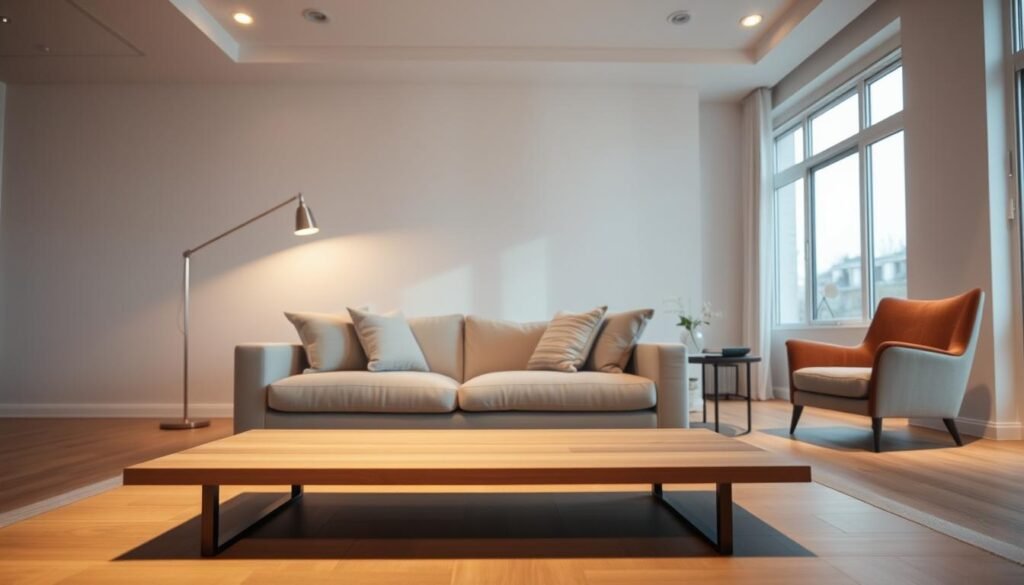
We love using layered lighting to build warmth and dimension. This approach combines different sources to create pools of light that make your environment feel cozy and intentional.
Task and Ambient Lighting
Start by identifying your functional needs. Task lighting focuses on specific activities like reading or food preparation. A small lamp on your bedside table provides perfect reading light.
Ambient lighting fills the room with a general glow. Think overhead fixtures or a beautiful floor lamp in the corner. These work together to eliminate harsh shadows.
Pendant lights are fantastic for both purposes. They deliver focused light while serving as sculptural elements. Hang them over key areas like kitchen islands or dining tables.
Don’t forget about natural light! Keep window treatments simple to maximize sunlight during the day. This creates an airy, inviting atmosphere that artificial lighting complements.
| Lighting Type | Primary Purpose | Ideal Placement |
|---|---|---|
| Task Lighting | Functional activities | Desks, reading nooks, kitchen counters |
| Ambient Lighting | General illumination | Ceiling fixtures, corner floor lamps |
| Accent Lighting | Highlight features | Artwork, architectural elements |
Remember to mix these lighting types throughout your room. The combination creates depth and makes your space feel beautifully balanced day and night.
Adding Curated Accessories for Visual Interest
The final touch in crafting your serene space comes down to the art of the edit. It’s about choosing a few special accessories that add personality without creating clutter. We want to create focal points of visual interest that feel intentional and calming.
Jenon Bailie, merchandising and design director at Room & Board, offers brilliant advice for achieving this balance. She suggests,
“Balance your space with a large-scale statement piece of art or a clean vertical row of frames with curated personal images.”
Minimalist Wall Art Ideas
For your walls, skip the busy gallery wall. Instead, let one powerful piece command attention. Choose art that focuses on texture or simple forms. A wood slat accent wall can also serve as beautiful, textured art.
Your coffee table is another perfect canvas. Style it with a tidy stack of beautiful books, a simple vase, and one meaningful object. Remember, groups of three or five items create the most pleasing interest.
Accent pillows are fantastic for adding warmth. They introduce color and texture while keeping the overall look streamlined. On your shelves, leave generous space between objects so each piece can shine.
| Styling Area | Traditional Approach | Curated Strategy |
|---|---|---|
| Wall Art | Fill the entire wall | One large statement piece |
| Coffee Table | Many small trinkets | A curated group of three items |
| Shelves | Completely packed | Few pieces with breathing room |
These simple ideas help you add warmth and character. For more inspiration on creating a peaceful environment, explore our guide to serene interior ideas. The goal is a space that feels both personal and perfectly peaceful.
Creating a Harmonious Layout
The true art of layout design lies in the dance between emptiness and intention. We want to create a room that feels both purposeful and peacefully open.
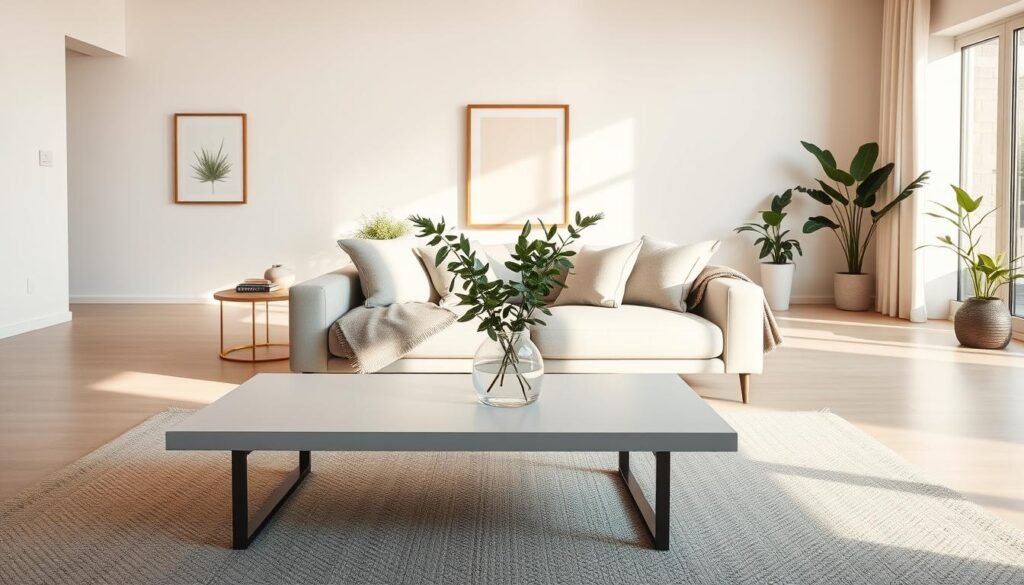
This approach celebrates negative space—those beautiful empty areas that give your eyes a place to rest. They prevent your environment from feeling cramped while enhancing the items you choose to keep.
Balancing Open Spaces and Focal Points
Start by identifying one main focal point in each area. This could be a striking piece of furniture, a fireplace, or a beautiful window. This anchor gives your space structure.
In a spacious living area, interior designer Alvin Wayne demonstrates how a large L-shaped sofa can define the seating zone. It creates comfort without crowding the room.
Area rugs work wonders for defining different zones in open floor plans. They create visual separation while maintaining flow between spaces.
The goal is achieving perfect balance. You want enough furniture to make the room feel complete, but not so much that it loses its airy quality. Pay attention to how your eye moves from one point of interest to another.
Step back and evaluate whether your walls and open areas work together. True harmony comes from what you include and what you intentionally leave empty!
Embracing Minimalism in Every Room
Let’s explore how to bring this beautiful simplicity into every corner of your house. The same core principles create calm in any space, from your most social areas to your private retreats.
Each area serves a different purpose, but the approach remains wonderfully consistent. You focus on what truly matters for how you use that specific room.
From Living Room to Office Decor
Your living room should balance comfort with clarity. Choose seating that invites relaxation and lighting that creates a warm glow. Add just a few meaningful items that make the space feel welcoming.
Transform your bedroom into a true oasis for rest. Keep walls simple and let a beautiful statement bed become the focal point. Matching nightstands and lamps create symmetry that feels inherently calming.
Stick to warm earth tones like beige and cream in your sleeping room. Clear surfaces promote better relaxation and sleep. This creates a peaceful retreat from daily life.
Your home office especially benefits from these ideas. A clutter-free desk and organized shelves lead to clearer thinking. You’ll find better focus and productivity in a streamlined work room.
Whether styling a living area, bedroom, or office, intentional choices create harmony. Each space can feel both warm and wonderfully open!
Integrating Technology with Minimalist Design
In today’s connected world, our devices are essential, but they don’t need to disrupt your peaceful environment. We’ll show you how to blend technology seamlessly into your calming space.
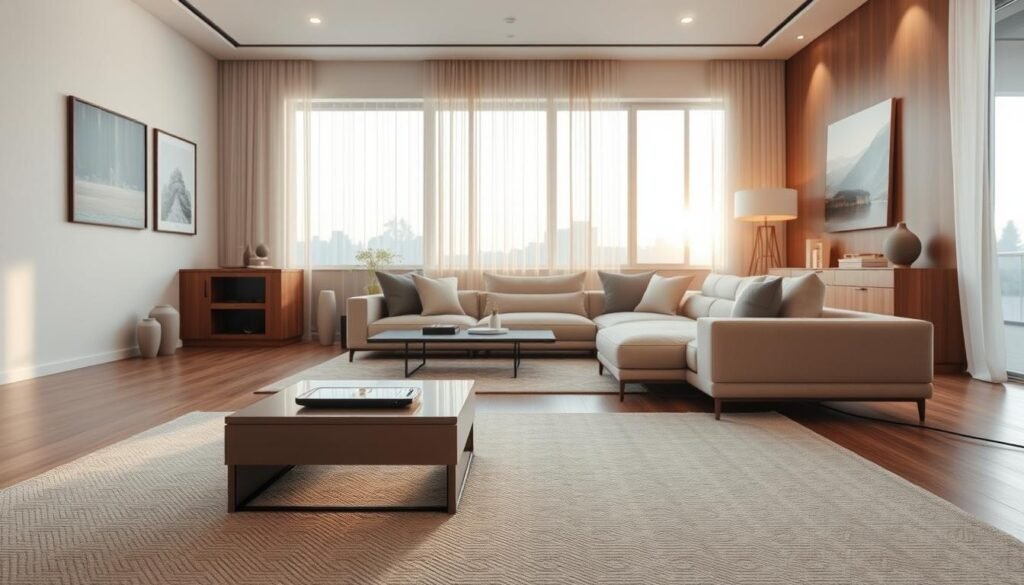
The secret lies in making technology nearly invisible when not in use. Choose sleek devices in neutral colors that complement your interior rather than compete with it.
Consider built-in solutions like recessed media centers or furniture with integrated charging stations. Smart home systems are perfect for this design approach—they reduce visible controls and let you manage everything through your phone.
Create dedicated charging spots in drawers or cabinets. This keeps counters clear of cord clutter. When your TV is off, display simple art on the screen or choose a frame-style TV that blends into your wall.
| Traditional Approach | Minimalist Strategy | Result |
|---|---|---|
| Visible cords and devices everywhere | Hidden cable management systems | Clean, uncluttered surfaces |
| Multiple remotes and controls | Smart home integration | Streamlined operation |
| Tech as dominant focal point | Discreet, blended placement | Balanced visual harmony |
The goal is making your media and devices work for you without dominating your visual field. Your environment stays peaceful and intentional, even with all the modern conveniences!
Avoiding Common Minimalist Decor Mistakes
Even with the best planning, certain missteps can disrupt the peaceful atmosphere you’re working to achieve. We want to help you sidestep these common traps that can undermine your carefully crafted environment.
Overcrowding and Lack of Texture
Filling a room with too much furniture is the number one mistake. Even beautiful pieces can make your spaces feel cluttered rather than calm.
Try emptying the room completely first. Then only bring back what you truly need. You’ll be surprised how little is necessary for a functional, beautiful space!
Another huge error is forgetting about texture. This leaves minimalist spaces feeling cold rather than welcoming. Layer different materials and fabrics for warmth.
Inadequate lighting makes empty areas feel stark. Use multiple light sources at different levels to create visual interest and warmth.
Using too many color choices can make even a sparse room look busy. Stick to your chosen palette with discipline for a cohesive look.
| Common Mistake | Why It Happens | Simple Solution |
|---|---|---|
| Overcrowded spaces | Fear of empty areas | Empty room, then add only essentials |
| Lack of texture | Focusing only on clean lines | Layer natural materials and fabrics |
| Poor lighting | Underestimating ambiance needs | Multiple light sources at different heights |
| Color chaos | Wanting to add personality | Stick to disciplined color palette |
The key point is balance. You need enough furniture for function and enough texture for warmth. Your decor should create peaceful minimalist spaces that feel both personal and perfectly calm.
Updating Your Home Decor with Timeless Pieces
Building a lasting aesthetic means choosing pieces that transcend seasonal trends. Instead of chasing what’s popular today, focus on classic designs that have proven their value over decades.
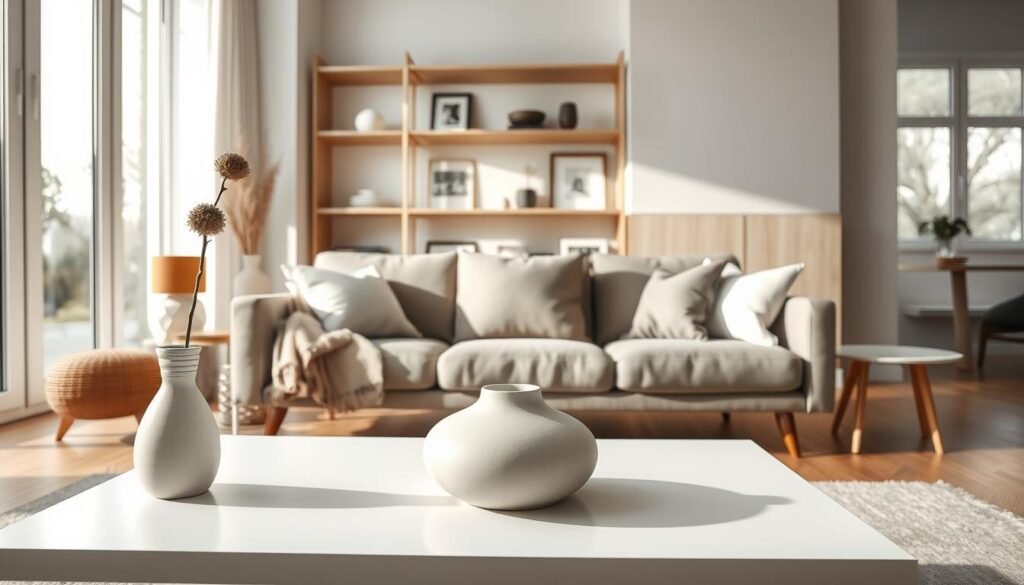
Scandi-style and midcentury modern furniture make excellent foundations. Their clean lines and neutral colors create a versatile base for your entire space. This approach ensures your decor remains relevant for years to come.
Think about versatility when selecting new items. A textured vase or warm throw blanket can work year-round with simple styling adjustments. These timeless ideas prevent the need for constant redecorating.
Quality truly outweighs quantity here. One well-crafted piece you’ll cherish for years beats several trendy items that quickly lose appeal. This philosophy creates a sophisticated style that evolves beautifully with you.
When shopping, ask yourself: “Will I still love this in five years?” If the answer isn’t an enthusiastic yes, keep looking. This simple question transforms your decorating approach and builds a space that stands the test of time.
Bringing a Personal Touch to the Minimalist Aesthetic
Personal touches transform a beautiful room into a space that truly feels like yours. This approach ensures your environment reflects what brings you genuine happiness.
Infusing Your Personality into Design
Your minimalist home decor should never feel like someone else’s sterile showroom. Ask yourself the critical question: “Is this just filling a space, or is it filling my heart?”
This distinction transforms your interior from cold to deeply personal. Small, intentional pops of your favorite color create personality without overwhelming the aesthetic.
Meaningful Art and Memorabilia
Display art that tells your story. Choose pieces collected on special trips or created by loved ones. Memorabilia doesn’t have to be cluttery when displayed thoughtfully.
Select a few special items for your shelves or coffee table. Give each piece space to be appreciated rather than getting lost in visual noise.
| Traditional Approach | Personal Minimalist Strategy | Result |
|---|---|---|
| Filling every available space | Choosing only heart-filling items | Meaningful, curated environment |
| Generic decorative pieces | Personal art and memorabilia | Space that tells your unique story |
| Following trends exactly | Adapting principles to your taste | Authentic, lasting appeal |
Every item should be intentional and meaningful. This thoughtful way creates an ideal design that prioritizes your needs. For more inspiration on creating spaces with effortless elegance, explore our simple styling tips.
Conclusion
What an inspiring exploration we’ve shared of creating spaces that truly serve you! We hope you feel equipped to begin your own transformation toward more intentional living.
Remember, this style isn’t about rigid rules. It’s a way to prioritize what brings you genuine joy while letting go of excess. Your environment should support your daily life and reduce stress.
Start with just one area—perhaps a single surface or room. There’s no need to overhaul everything at once. The most beautiful space reflects your unique personality and supports the life you want to create.
We’re cheering you on as you build a home filled with breathing room and heart-filling items. Here’s to your wonderful decorating journey ahead! ✨