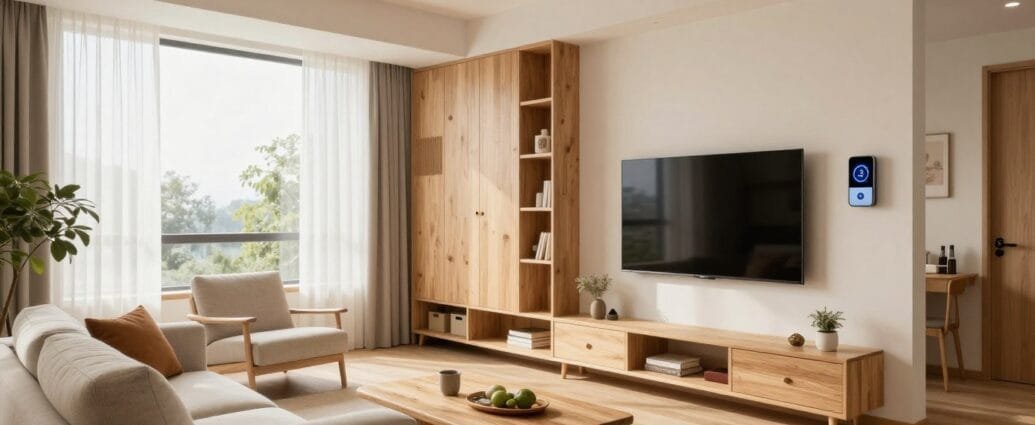
The future of small home interior design is evolving in exciting new directions. As urban living continues to dominate and housing costs rise, more people are embracing compact spaces—not as a compromise, but as an intentional lifestyle choice. In 2026, we’ll see small space design reaching new heights of functionality, personality, and sustainability. Small-space design keeps getting smarter, and I’m glad to share the emerging trends and practical solutions that will define small home interior design for 2026. Whether you’re in a studio apartment, tiny house, or simply looking to maximize a smaller room, these forward-thinking approaches will help you create a space that feels both expansive and deeply personal.
Small Home Interior Design Trends for 2026: The Big Picture
Before diving into specific rooms and solutions, let’s explore the overarching trends that will shape small home interior design in 2026. These principles will inform every aspect of compact living spaces, from color choices to furniture selection.
Intentional Minimalism
Unlike the stark minimalism of previous decades, 2026 brings a warmer, more intentional approach. Each item in your small space should serve a purpose while also bringing joy. This isn’t about empty rooms—it’s about thoughtfully curated spaces where every element matters.
Multifunctional Everything
In 2026, single-purpose furniture becomes obsolete in small homes. Expect to see innovative designs where sofas transform into workstations, coffee tables offer storage and dining functionality, and beds disappear into walls to free up daytime space.
Personalized Technology
Smart home features will be seamlessly integrated into small spaces, with a focus on personalization rather than gadgetry. Think walls that change color based on your mood, lighting that adjusts automatically throughout the day, and furniture that responds to your needs.
Biophilic Connection
Small homes in 2026 will emphasize connection to nature through materials, views, and indoor plants. Living walls, herb gardens, and nature-inspired textures will make compact spaces feel more expansive and alive.
Warm Materiality
The cold, clinical aesthetic is officially out. Small spaces will embrace warm woods, textured fabrics, and earthy colors that create a sense of comfort and groundedness even in limited square footage.
Circular Design
Sustainability takes center stage with furniture and materials designed for disassembly, reuse, and adaptation. Small home dwellers will invest in pieces that can evolve with their needs rather than being discarded.
Color Palettes That Expand Small Spaces in 2026
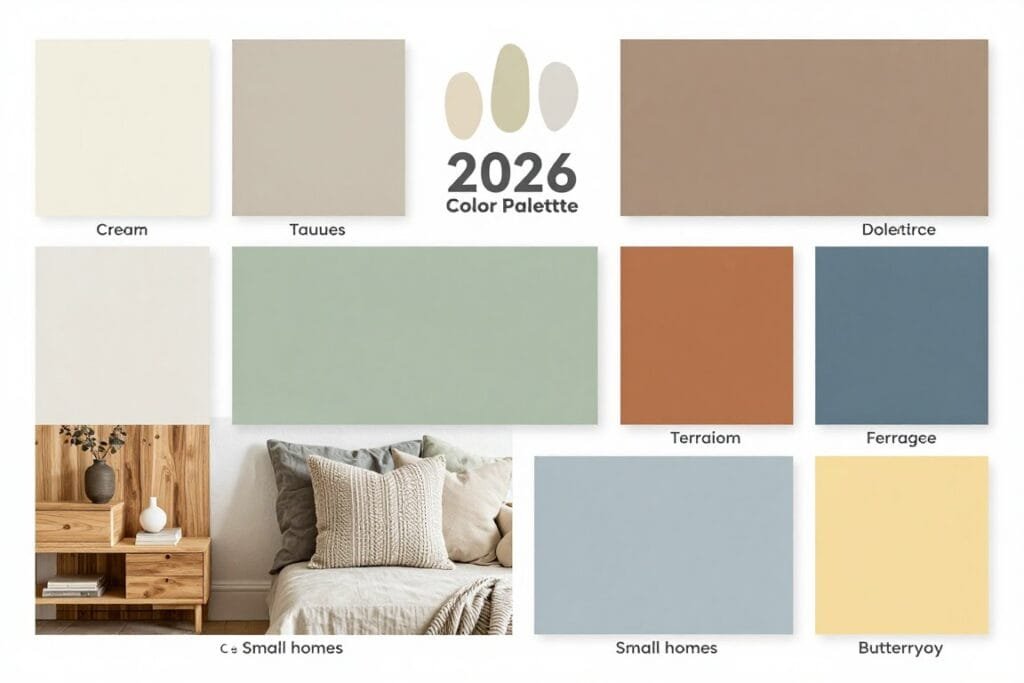
Color choices significantly impact how we perceive space. In 2026, small home color palettes will strike a balance between creating visual spaciousness and expressing personality.
Earthy Foundations
Moving away from stark whites and cool grays, small homes will embrace warmer neutrals like taupe, cream, and soft stone as base colors. These hues create a sense of groundedness while maintaining brightness and visual space.
Green as the New Neutral
Sage, olive, and forest greens will function as sophisticated neutrals in 2026 small spaces. These nature-inspired tones create a sense of calm and connection to the outdoors, making compact rooms feel more expansive.
Strategic Color Blocking
Rather than one-color rooms, small spaces will use strategic color blocking to define zones and create visual interest. A reading nook might feature a deep blue wall while the rest of the room remains in warm neutrals.
“In 2026, small space color isn’t about making rooms look bigger—it’s about making them feel better. The right colors create emotional expansiveness even when physical space is limited.”
Living Room Solutions for Small Homes in 2026
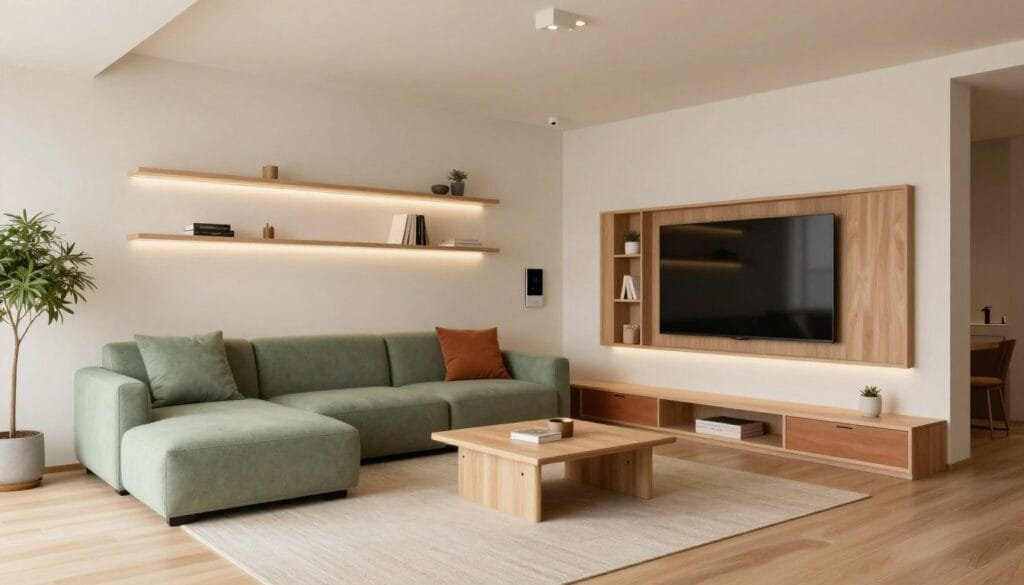
The living room often serves multiple functions in a small home. In 2026, these spaces will become even more adaptable while maintaining style and comfort.
Key Features for Small Living Rooms in 2026
Zoned Built-Ins
Custom wall units will combine entertainment, storage, workspace, and even guest sleeping options in one cohesive design. These multifunctional built-ins will be the backbone of small living rooms, eliminating the need for multiple furniture pieces.
Floating Furniture
To maximize floor space and create a sense of openness, furniture will appear to float. Wall-mounted sofas, suspended lighting, and cantilevered tables create breathing room underneath, making small spaces feel less crowded.
Transformable Seating
Modular sofas that can be reconfigured for different scenarios—from intimate conversations to movie nights to guest accommodations—will become standard. Look for pieces with built-in storage and charging capabilities.
Textured Walls
Small living rooms will gain depth through textured wall treatments like plaster finishes, 3D panels, or acoustic materials that absorb sound (crucial in compact spaces) while adding visual interest.
Small Living Room Design Tips for 2026
- Invest in a statement ceiling light that draws the eye upward, creating the illusion of height
- Use mirrors strategically to reflect light and views, doubling the perceived space
- Choose furniture with visible legs to create a sense of airiness
- Incorporate hidden charging stations and smart home controls to reduce visual clutter
- Select a few statement pieces rather than many small accessories
Compact Kitchen Design for 2026
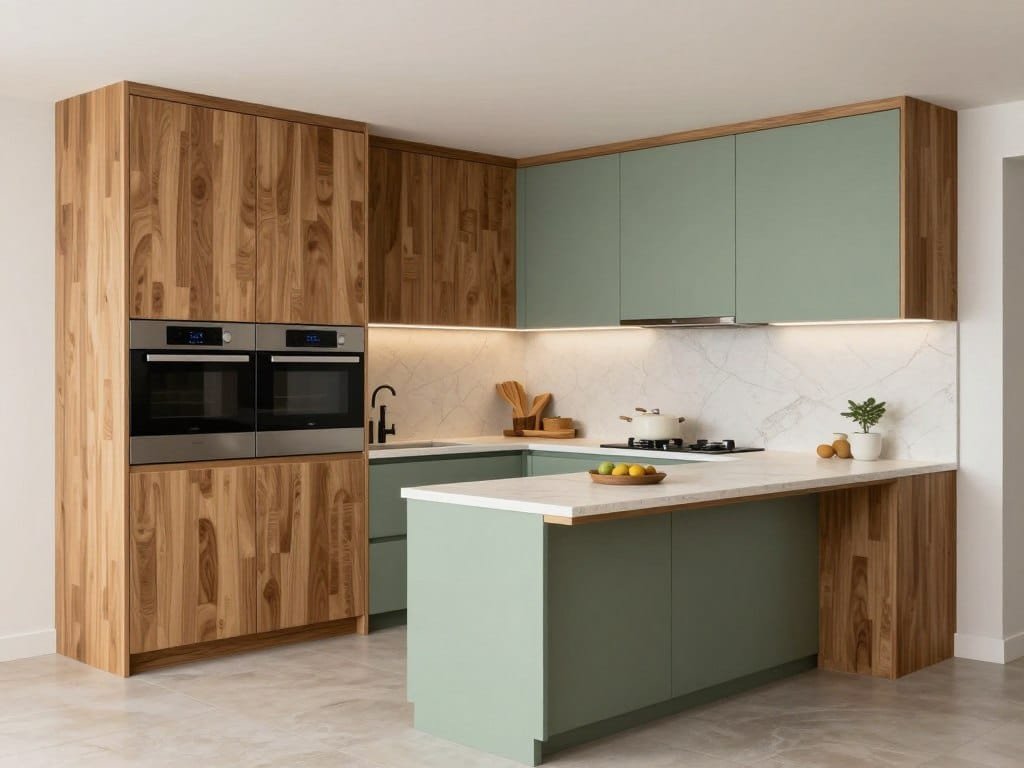
Small kitchens in 2026 will focus on maximizing functionality without sacrificing style. The emphasis will be on smart storage, quality materials, and flexible workspaces.
Vertical Thinking
Small kitchens in 2026 will maximize vertical space with floor-to-ceiling cabinetry, hanging storage systems, and multi-tiered backsplashes that serve as functional space. Even ceilings will be utilized for hanging herbs, pots, or lighting.
Invisible Technology
Appliances will be fully integrated or concealed behind panels that match cabinetry. Induction cooktops that double as countertops when not in use will save valuable space, while smart systems will manage everything from inventory to cooking temperatures.
Micro Zones
Rather than traditional work triangles, small kitchens will feature micro zones dedicated to specific tasks: a coffee station, prep area, cooking center, and cleaning zone. Each will be optimized with exactly what’s needed—no more, no less.
2026 Small Kitchen Material Trends
Expect to see warm wood tones paired with handmade zellige tile, natural stone with subtle veining, and matte finishes that hide fingerprints and smudges. Hardware will be minimal or integrated into cabinetry design for a cleaner look.
Small Bedroom Design Strategies for 2026
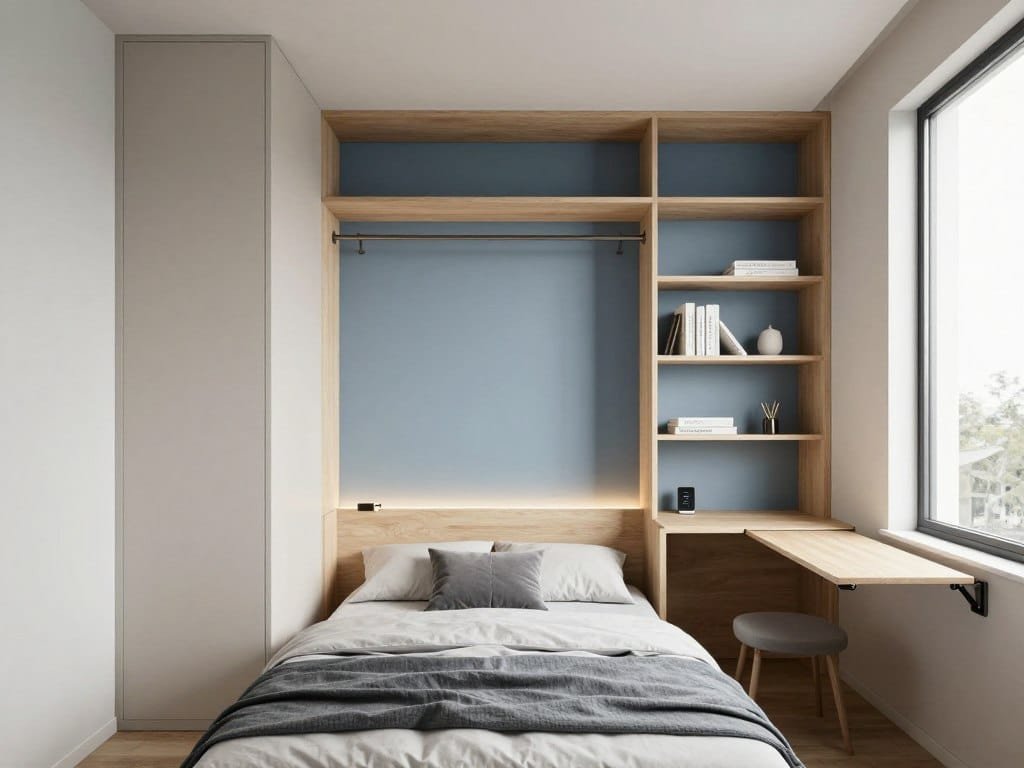
Bedrooms in small homes will evolve beyond sleeping spaces to become personal retreats that support rest, rejuvenation, and privacy—all within minimal square footage.
Transformative Bedroom Elements for 2026
Elevated Sleep Systems
Platform beds with integrated storage will evolve to include ambient lighting, charging capabilities, climate control, and even sleep tracking technology. Some designs will allow the bed to be raised to the ceiling during the day, freeing up floor space.
Wellness Integration
Small bedrooms will incorporate elements that support wellbeing, from air purification systems to circadian lighting that adjusts throughout the day. Meditation corners and mini exercise areas will be thoughtfully integrated.
Closet Revolution
Traditional closets will be replaced by smarter systems that maximize every inch. Rotating racks, pull-down rods, and compression storage will double capacity, while digital inventory systems will help manage clothing collections.
Acoustic Comfort
Sound-absorbing wall treatments, flooring, and textiles will create acoustic privacy—crucial in small homes where noise travels easily. These elements will double as decorative features with texture and visual interest.
“The 2026 small bedroom isn’t just where you sleep—it’s where you recharge. Every element should contribute to both physical and mental restoration.”
Small Bathroom Innovations for 2026
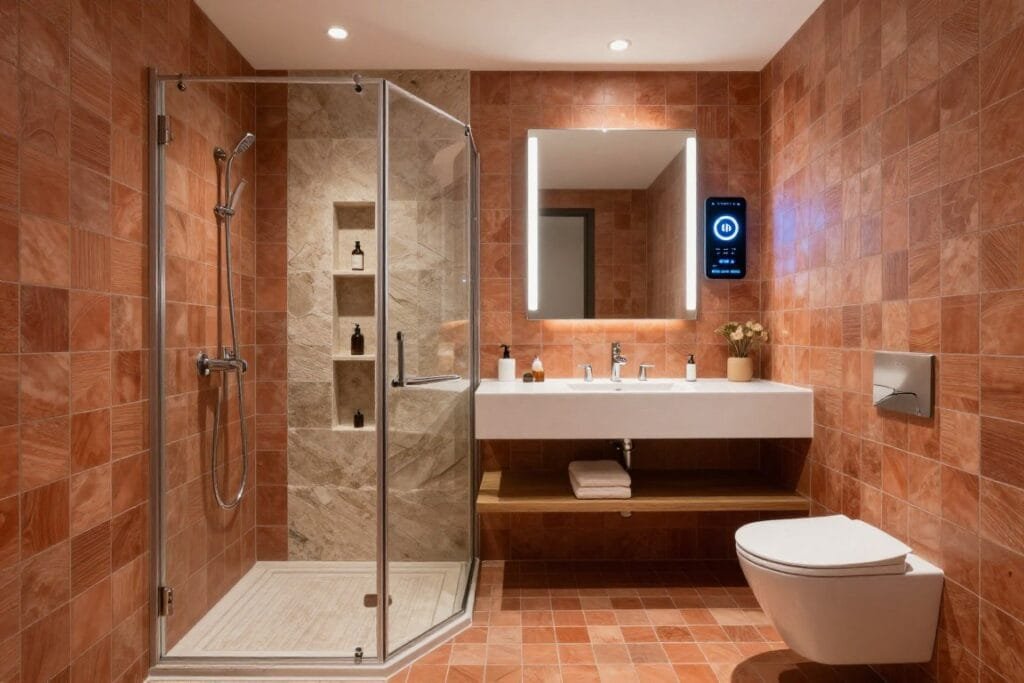
Compact bathrooms will become luxurious wellness spaces through clever design, high-quality materials, and integrated technology.
Wet Rooms
The distinction between shower and bathroom will blur as more small spaces adopt wet room designs. Waterproof, continuous surfaces create a sense of spaciousness while eliminating the need for shower doors or curtains that visually divide the space.
Smart Fixtures
Space-saving fixtures will get smarter, with toilets that monitor health metrics, showers that remember preferred temperatures, and faucets that help conserve water. Wall-mounted fixtures will free up floor space and create cleaner lines.
Dramatic Materials
Small bathrooms will embrace statement-making materials like richly veined stone, handmade tile, and textured plaster. Because less material is needed to cover a small space, higher-quality, more sustainable options become affordable.
Small Bathroom Lighting Tips for 2026
Layer lighting for functionality and mood: integrated mirror lighting for tasks, waterproof recessed lights for ambient illumination, and accent lighting to highlight architectural features or materials. Smart systems will adjust color temperature throughout the day to support natural rhythms.
Creating Multifunctional Spaces in Small Homes
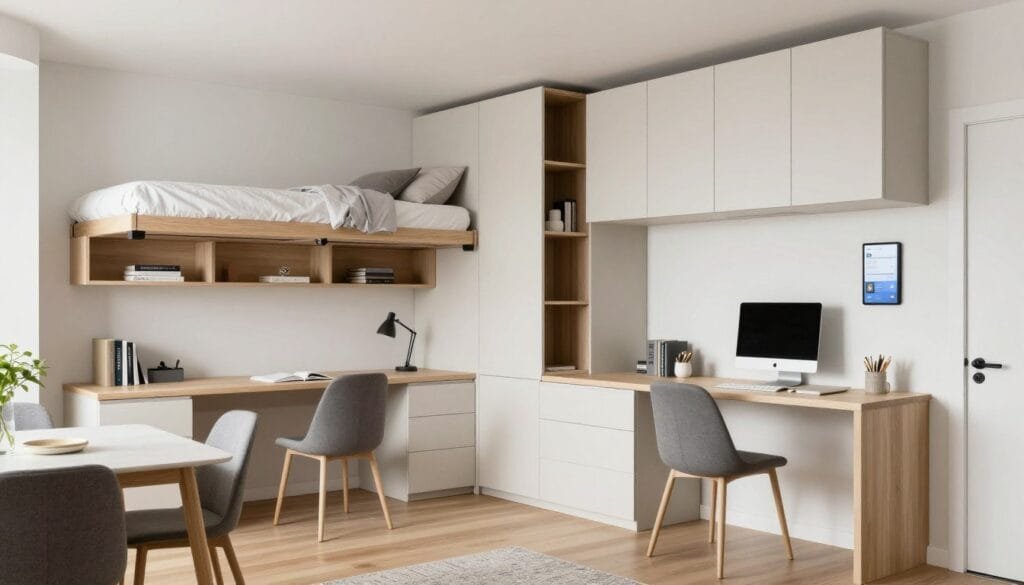
In 2026, the concept of single-purpose rooms will be obsolete in small homes. Instead, spaces will flex and transform to serve multiple functions throughout the day.
Strategies for Flexible Small Spaces
Movable Architecture
Sliding walls, rotating partitions, and folding screens will allow small homes to reconfigure as needed. These elements will be designed as beautiful features rather than utilitarian dividers, adding architectural interest even in compact spaces.
Furniture That Transforms
Beyond the familiar sofa bed, 2026 will bring sophisticated transforming furniture: dining tables that adjust from coffee table height to counter height to standard dining height; ottomans that become extra seating, tables, or storage; and modular pieces that reconfigure for different scenarios.
Ceiling Systems
Ceilings will become active parts of small home design with track systems that allow lighting, privacy screens, and even furniture elements to move throughout the space as needed. This utilizes the often-forgotten “fifth wall” of any room.
Responsive Technology
Smart home systems will automatically adjust lighting, temperature, acoustics, and even scent based on how the space is being used. A room can shift from energizing workspace to relaxing lounge with a simple voice command.
5 Steps to Create a Successful Multifunctional Space
- Identify all activities the space needs to accommodate and prioritize them
- Create a storage system for quickly transitioning between functions
- Invest in quality transforming furniture that will withstand frequent reconfiguration
- Use lighting to define different zones and activities
- Incorporate technology that supports easy transitions between functions
Innovative Storage Solutions for Small Homes in 2026
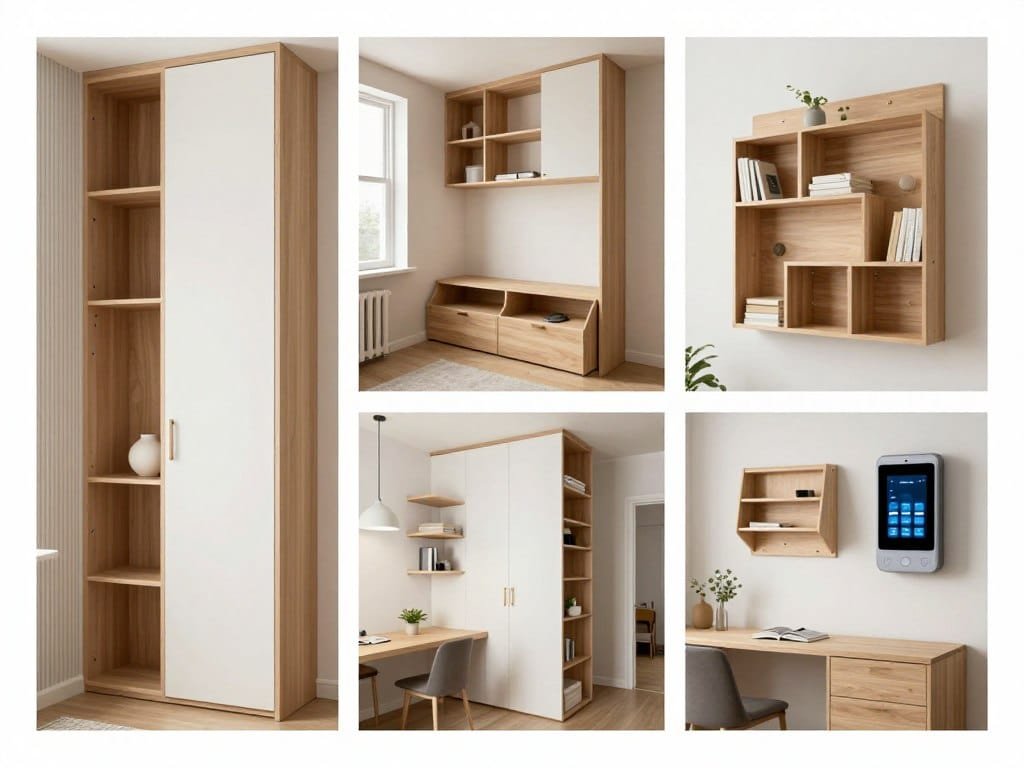
Storage will be the unsung hero of successful small home design in 2026, with solutions that are both highly functional and aesthetically pleasing.
Micro Storage
Every inch will be utilized with specialized micro storage: knife blocks built into countertop edges, charging stations integrated into nightstands, and narrow pull-out pantries in kitchen gaps. These small solutions add up to significant storage capacity.
Digital Organization
Smart storage systems will track contents, remind you when supplies are low, and even suggest items to purge based on usage patterns. This technology helps maintain order and prevents accumulation in limited spaces.
Beautiful Organization
Storage will double as display with curated open shelving, glass-front cabinets, and artful organization systems. The line between storage and decor will blur as organizational elements become design features.
Open vs. Closed Storage in Small Spaces
Benefits of Open Storage
- Creates visual depth and interest
- Makes items easily accessible
- Provides display opportunities
- Can make spaces feel larger and more open
Considerations for Closed Storage
Benefits of Closed Storage
- Reduces visual clutter
- Protects items from dust
- Creates cleaner, more minimal aesthetic
- Hides necessary but unattractive items
The best small homes in 2026 will strike a thoughtful balance between open and closed storage, using each where it makes the most sense for both functionality and aesthetics.
Lighting Strategies for Small Spaces in 2026
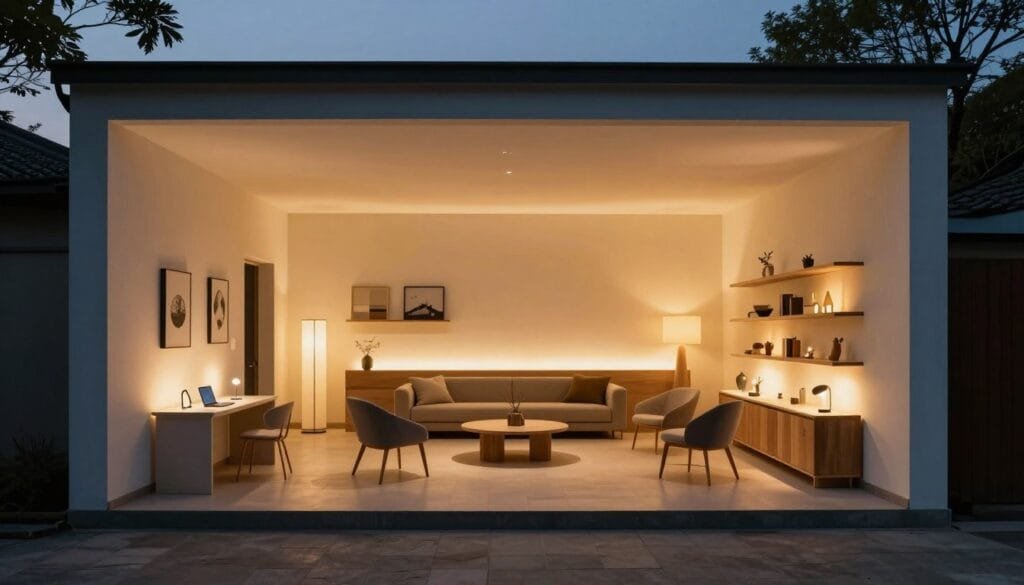
Lighting will play a crucial role in how small spaces feel and function. In 2026, lighting design will go beyond basic illumination to shape perception, support wellbeing, and add architectural interest.
Key Lighting Approaches for Small Homes
Integrated Illumination
Lighting will be built into architecture and furniture rather than added as separate fixtures. LED strips in shelving, illuminated backsplashes, and glowing furniture edges create ambient light without taking up space or creating visual clutter.
Sculptural Statements
Where visible fixtures are used, they’ll serve as sculptural elements that add personality and artistic value. A single dramatic pendant can become the focal point of a room while providing necessary illumination.
Circadian Systems
Smart lighting will adjust color temperature and intensity throughout the day to support natural rhythms. This is especially important in small spaces where people spend significant time and may have limited natural light.
Light Layering
Multiple light sources at different heights create dimension and flexibility. In small spaces, the ability to adjust lighting for different activities and moods is essential for making one room serve many purposes.
| Lighting Type | Best Applications | Benefits for Small Spaces | 2026 Innovations |
| Recessed Lighting | Overall illumination, highlighting walls | No visual bulk, creates illusion of higher ceilings | Ultra-thin profiles, tunable color temperature |
| Wall Sconces | Hallways, beside beds, flanking mirrors | Frees up surface space, adds wall interest | Adjustable direction, integrated charging |
| LED Strips | Under cabinets, along stairs, cove lighting | Creates depth, highlights architecture | Dynamic patterns, health-supporting spectrums |
| Pendant Lighting | Over tables, kitchen islands, bedside | Defines zones without walls, adds personality | Height-adjustable systems, modular designs |
Materials and Textures for Small Home Design in 2026
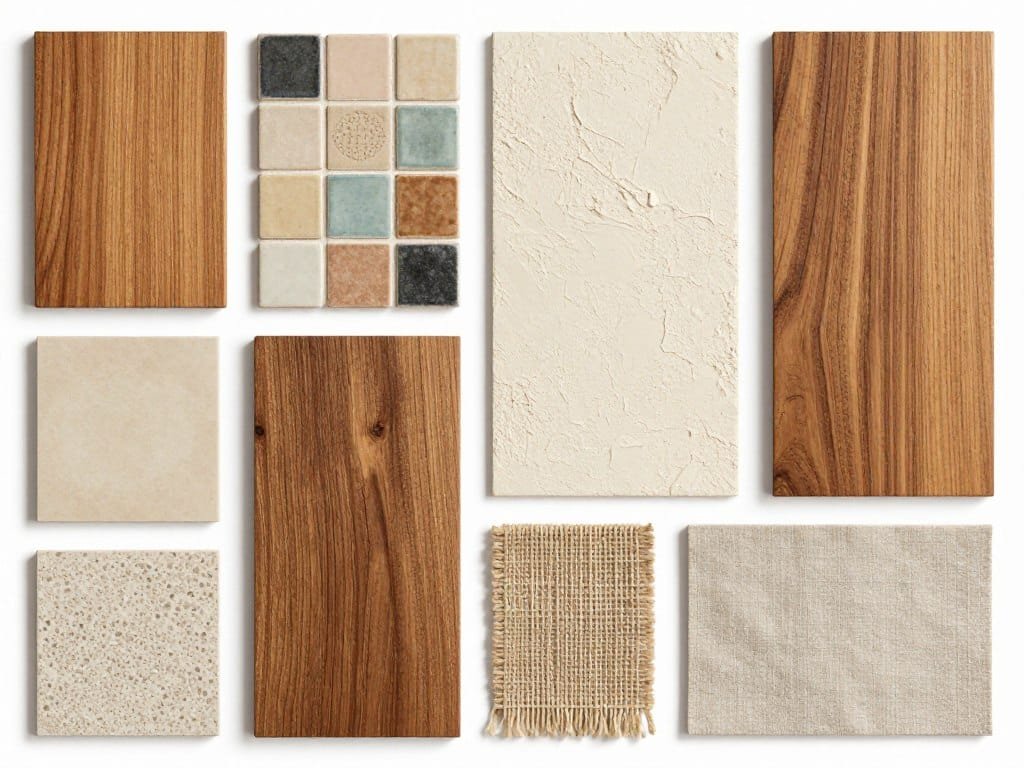
The materials used in small spaces significantly impact both functionality and emotional response. In 2026, we’ll see a focus on tactile quality, sustainability, and visual depth.
Warm Woods
Medium-toned woods like walnut, white oak, and cherry will bring warmth and natural texture to small spaces. Wood will appear on unexpected surfaces—ceilings, wrapping around corners, integrated into cabinetry—creating visual continuity that makes spaces feel larger.
Textured Surfaces
Walls and surfaces will gain dimension through plaster finishes, 3D tiles, fluted panels, and acoustic materials. These textures add visual interest and depth without requiring additional space or objects.
Sustainable Innovations
Recycled composites, rapidly renewable materials, and locally sourced options will dominate small space design. These choices reflect growing environmental consciousness and create healthier indoor environments.
“In small spaces, every material does double duty—functional and emotional. The right texture can make a tiny room feel like a sanctuary; the wrong one can make it feel like a cell.”
Material Selection Tips for Small Homes
- Choose reflective surfaces strategically to bounce light and create visual expansion
- Limit material palette to 3-5 key materials to create cohesion and flow
- Select easy-to-clean, durable options that will maintain their appearance in high-use spaces
- Consider acoustic properties—soft, absorbent materials help control sound in compact areas
- Use natural materials to create connection to the outdoors and enhance wellbeing
Smart Home Integration for Small Spaces in 2026
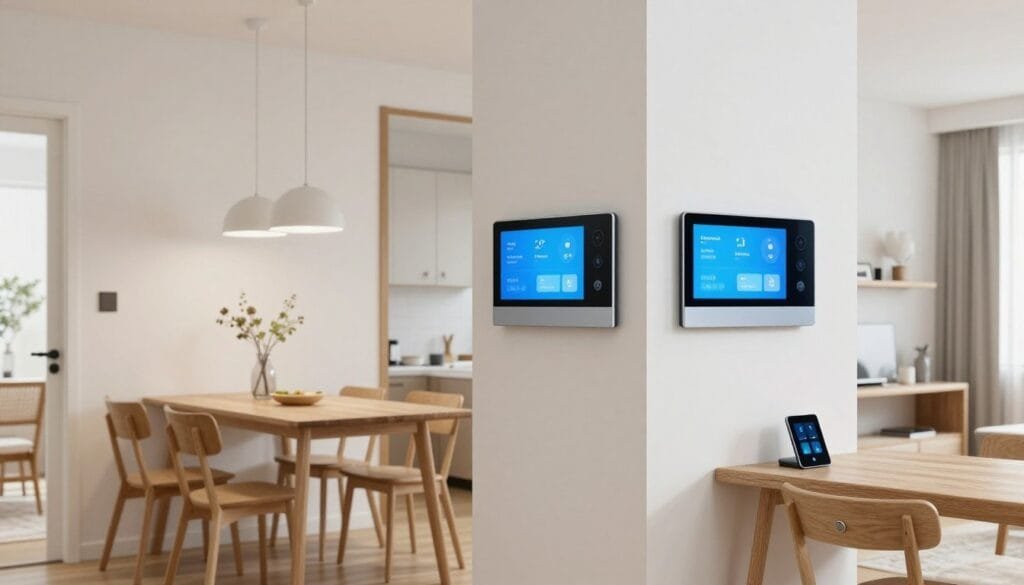
Technology will be seamlessly woven into small home design, with a focus on enhancing daily life rather than showcasing gadgetry.
Smart Home Priorities for Small Spaces
Invisible Integration
Technology will disappear into architecture and furnishings. Speakers embedded in walls, projectors that turn any surface into a display, and sensors hidden within materials will eliminate the need for visible devices that take up space and create visual clutter.
Adaptive Environments
Small homes will adjust automatically to different activities and needs. A living room might transform for entertaining with adjusted lighting, temperature, and even furniture positioning—all triggered by simple voice commands or learned patterns.
Space Optimization
AI systems will analyze how spaces are used and suggest optimizations. Underutilized areas might be repurposed, while high-traffic zones could be reconfigured for better flow. These insights help small home dwellers continuously refine their environments.
Wellness Technology
Small spaces will incorporate systems that support physical and mental wellbeing: air purification, water filtration, circadian lighting, and even subtle aromatherapy or soundscaping to create restorative environments.
Privacy Considerations
As homes become more connected, privacy becomes paramount. Look for systems with local processing rather than cloud-based solutions, physical shutoffs for cameras and microphones, and transparent data policies. The most advanced smart homes of 2026 will put users in complete control of their information.
Connecting Small Homes to Outdoor Spaces in 2026
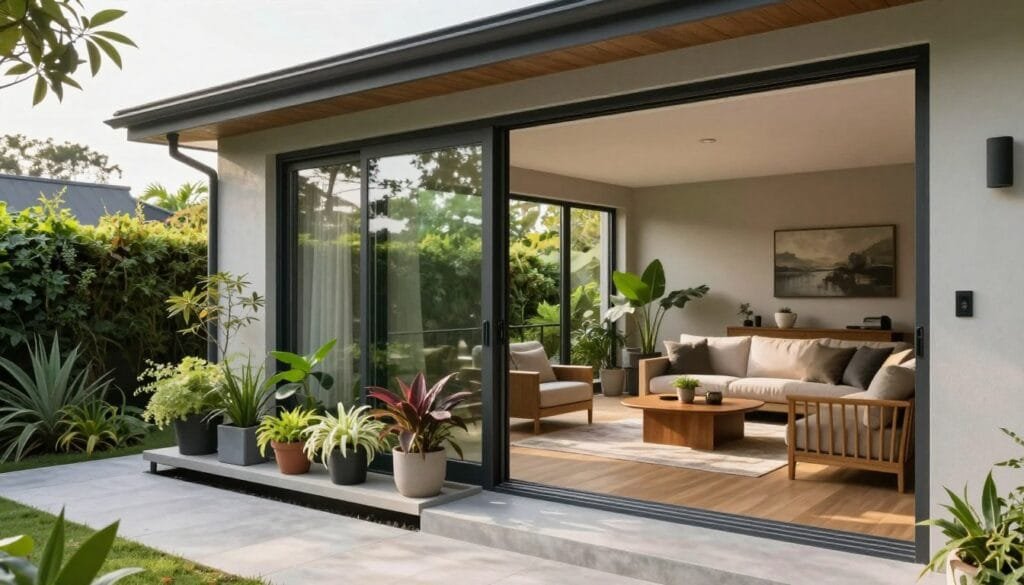
Even the smallest homes need connection to the outdoors for wellbeing and expanded living space. In 2026, the boundaries between inside and outside will become increasingly blurred.
Micro Outdoor Rooms
Even tiny balconies, patios, or rooftops will be designed as true outdoor rooms with defined functions: dining areas, lounging spaces, or meditation corners. Weather-resistant materials and clever storage solutions will maximize these precious square feet.
Vertical Gardens
When floor space is limited, walls become gardens. Advanced vertical growing systems will make it easier to incorporate plants into small outdoor areas, providing both beauty and often edible harvests.
Transparent Boundaries
Large glass doors that completely disappear, retractable screens, and continuous flooring materials will create seamless transitions between indoor and outdoor spaces, making both feel larger and more connected.
No Outdoor Space?
For homes without private outdoor areas, interior design will compensate with biophilic elements: large windows positioned to capture views and light, indoor gardens with grow lights, nature-inspired materials and patterns, and even digital displays that change with outdoor conditions to maintain connection to natural rhythms.
Personalizing Small Spaces in 2026
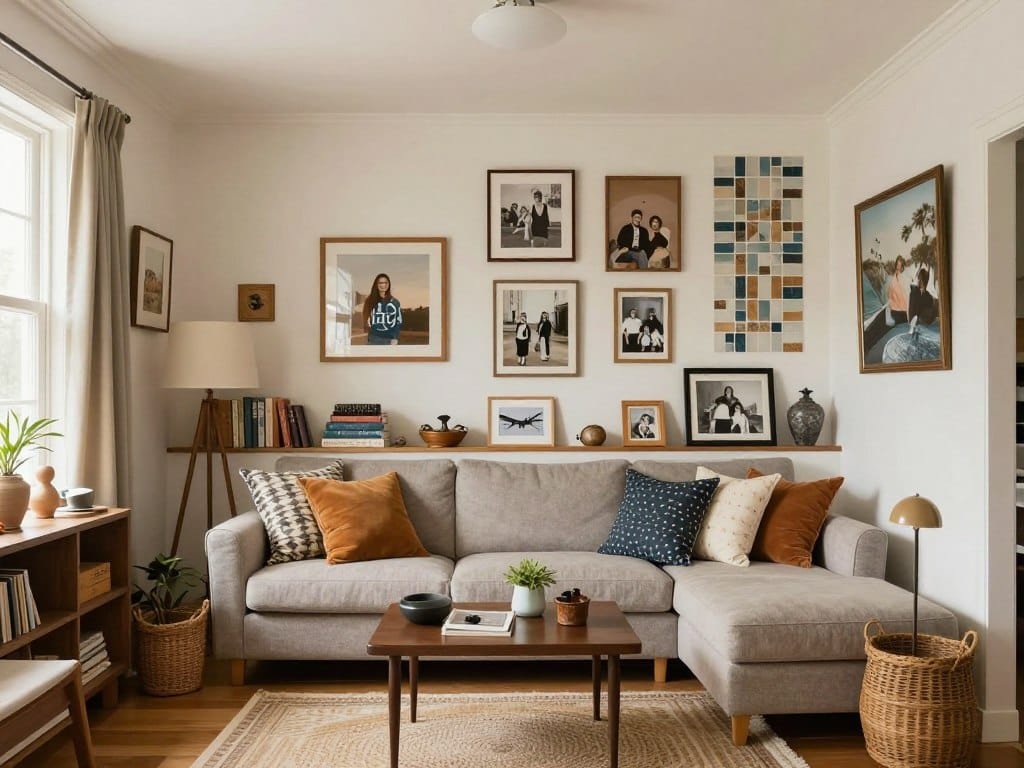
Perhaps the most significant trend in small home design for 2026 is the emphasis on personal expression. Cookie-cutter minimalism is giving way to spaces that tell individual stories and reflect unique personalities.
Strategies for Meaningful Personalization
Curated Collections
Rather than accumulating many objects, small home dwellers will display carefully curated collections that hold personal meaning. Custom display solutions will showcase these treasures without creating clutter.
Bespoke Elements
Custom-designed features—from hand-painted tile to personalized hardware to commissioned art—will add unique character to small spaces. These elements tell personal stories and create one-of-a-kind environments.
Flexible Display Systems
Adaptable wall systems will allow for rotating displays of art, photographs, and objects, keeping small spaces fresh and evolving. These systems make it possible to enjoy more pieces without permanent commitment.
Digital Personalization
Smart surfaces that display digital art, photographs, or ambient patterns will allow for changing visual environments without physical objects. These systems can transform the mood of a space instantly.
“The most successful small spaces aren’t the most minimal or the most organized—they’re the ones that most authentically reflect their inhabitants. In 2026, we’re designing homes that feel like a perfect fit, not just in size but in spirit.”
Embracing the Future of Small Home Design
As we look toward 2026, small home interior design is entering an exciting era of innovation, personalization, and intentionality. The constraints of compact living are inspiring creative solutions that enhance not just how spaces look, but how they function and feel. By embracing multifunctionality, quality materials, thoughtful technology, and personal expression, small homes can become expansive in the ways that truly matter.
Whether you’re designing a tiny urban apartment, a compact suburban home, or simply looking to make better use of limited square footage, the principles we’ve explored offer a roadmap for creating spaces that feel both spacious and deeply personal. The future of small home design isn’t about compromise—it’s about possibility.
Ready to Transform Your Small Space?
Get my free “Small Space Design Planner for 2026” with worksheets, checklists, and exclusive tips not covered in this article. Plus, you’ll be the first to receive updates on emerging small space design trends.
Frequently Asked Questions About Small Home Interior Design for 2026
What’s the biggest mistake people make when designing small spaces?
The most common mistake is trying to fit too many separate furniture pieces into a small space. In 2026, successful small home design will focus on fewer, multifunctional pieces that serve multiple purposes rather than many single-purpose items. Another frequent error is choosing scaled-down furniture that’s uncomfortable or impractical—small spaces need full-sized comfort, just with smarter configurations.
How can I make my small home feel luxurious?
Luxury in small spaces comes from quality rather than quantity. Invest in a few high-quality materials and finishes—perhaps a beautiful stone countertop, handmade tile, or custom cabinetry. Thoughtful lighting that creates ambiance, integrated technology that simplifies daily tasks, and personalized details that reflect your taste all contribute to a sense of luxury. Remember that in small spaces, you need less material, so you can often afford higher quality within the same budget.
What colors make a small space feel bigger?
While conventional wisdom suggests light colors always make spaces feel larger, the reality is more nuanced. In 2026, we’re moving beyond the all-white approach. Strategic use of color—even darker hues—can create depth and dimension that actually expands perceived space. The key is thoughtful application: consider painting built-ins and walls the same color to create continuity, using color to define functional zones, or applying deeper colors to recessed areas to create depth. Warm neutrals often work better than stark whites because they create a sense of coziness without closing in the space.
How much should I budget for smart home features in a small space?
For 2026, plan to allocate 5-15% of your total renovation budget for smart home integration, depending on your priorities. Start with systems that directly enhance functionality in small spaces: smart lighting that creates different zones, automated window treatments that maximize natural light, and space-saving solutions like hidden displays or speakers integrated into architecture. Remember that some smart features (like advanced storage systems or multifunctional furniture with tech integration) might fall under other budget categories but still contribute to your home’s intelligence.
What’s the most important room to focus on in a small home?
Rather than thinking in terms of traditional rooms, focus on creating highly functional zones that support your daily activities. That said, the area where you spend most of your waking hours—often a combined living/dining/working space—deserves special attention. Investing in quality multifunctional furniture, thoughtful storage, and proper lighting for this primary living zone will have the biggest impact on your daily experience. The kitchen and bathroom, while smaller in square footage, also benefit from careful planning as they’re used frequently and can significantly affect your home’s functionality and value.
About the Author

Quinn Parker is the founder of Design and Dwelling, a home and interiors blog written for everyday homemakers rather than for showhouses. She is not a credentialed designer and does not pretend to be one — the advice here comes from living in small, rented and imperfect spaces, testing ideas at real prices, and being honest about what works and what only photographs well. Every idea on the site is paired with a free or low-cost version wherever one exists.