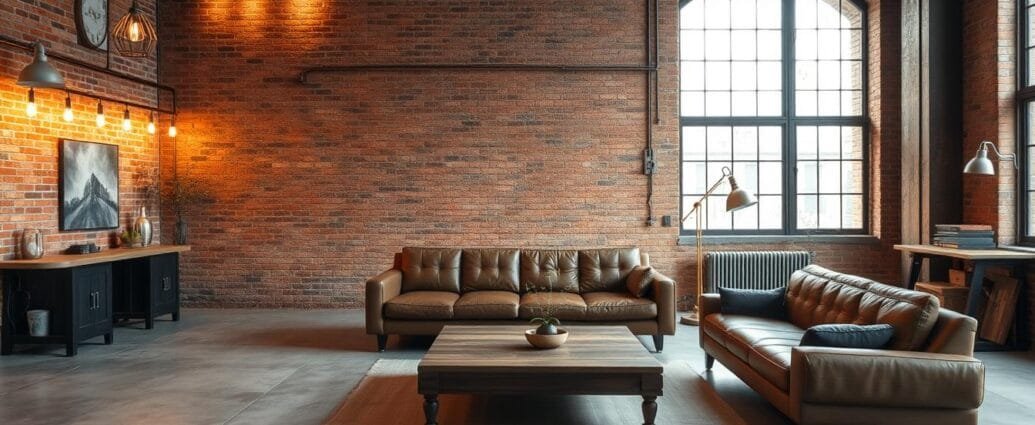
There’s something undeniably captivating about industrial home interior design. The style’s celebration of raw materials, architectural honesty, and functional beauty has transformed it from its factory-floor origins into one of today’s most sought-after design aesthetics. I’m Quinn Parker, and after helping dozens of clients embrace this versatile style, I’ve seen firsthand how industrial elements can breathe character and history into any space. Whether you’re renovating a genuine loft or simply want to infuse your suburban home with industrial charm, this guide will walk you through everything you need to know to create a space that’s both authentic and livable.
The Origins of Industrial Style: From Factory Floors to Modern Homes
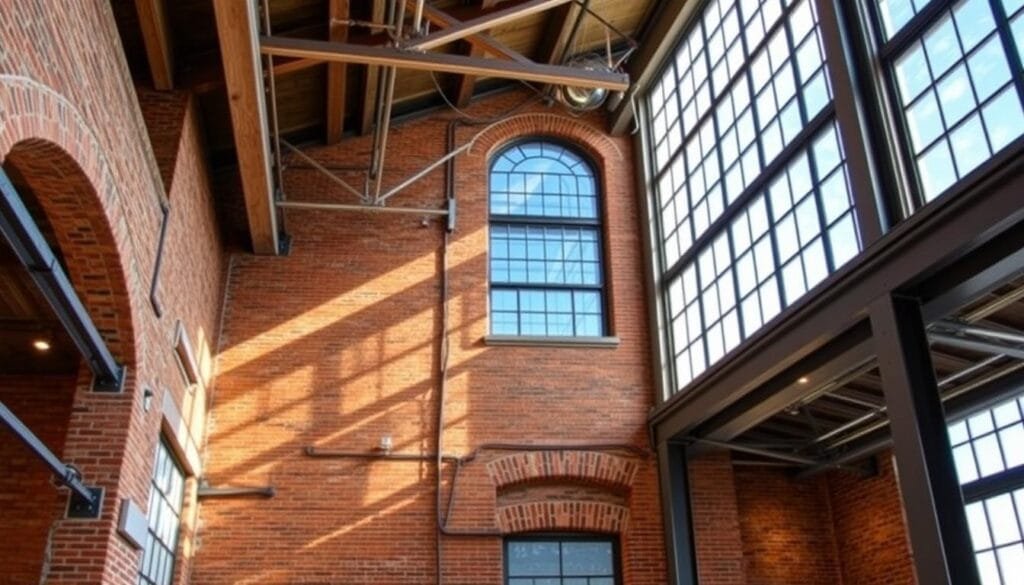
Industrial interior design traces its roots to the Industrial Revolution, when factories and warehouses were built with functionality and durability in mind. These spaces featured exposed structural elements, high ceilings, large windows, and materials like brick, concrete, and metal. When manufacturing declined in urban centers during the late 20th century, artists and young professionals began converting these abandoned industrial spaces into living quarters, preserving their raw architectural features out of both necessity and appreciation.
Today’s industrial style honors these origins while adapting them for modern living. The aesthetic celebrates structural honesty—exposing rather than concealing building elements—and embraces the beauty of wear, patina, and utility. What began as a practical solution has evolved into a deliberate design choice that resonates with those seeking authenticity and character in their homes.
Core Elements of Industrial Home Interior Design
Creating an authentic industrial space relies on incorporating several key elements that define this distinctive style. Let’s explore the fundamental components that bring industrial design to life:
Raw Materials
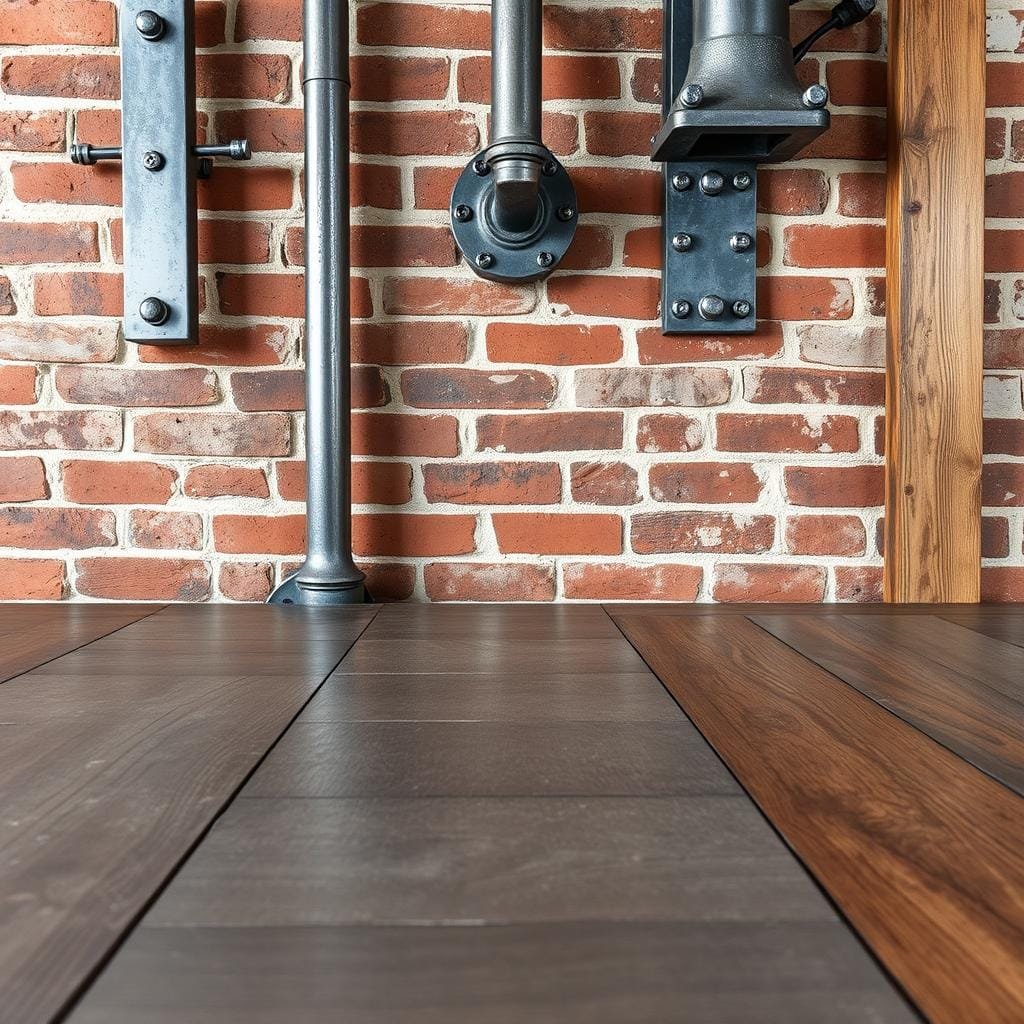
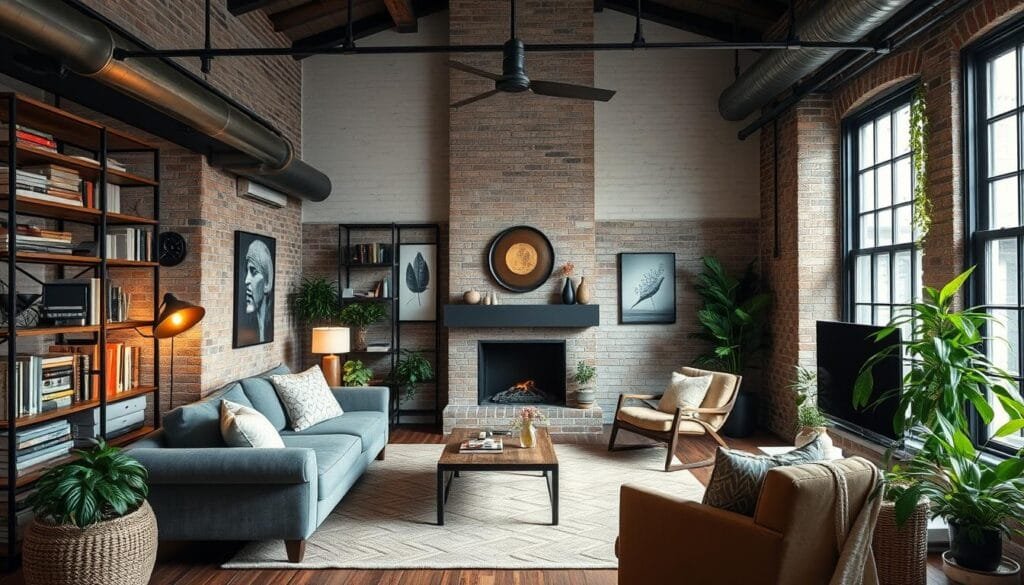
The foundation of industrial design lies in its honest use of materials. Exposed brick walls, concrete floors, weathered wood, and untreated metals like iron, steel, and copper create the authentic industrial backdrop. These materials are celebrated in their natural state, often featuring imperfections that tell a story of use and time.
Structural Honesty
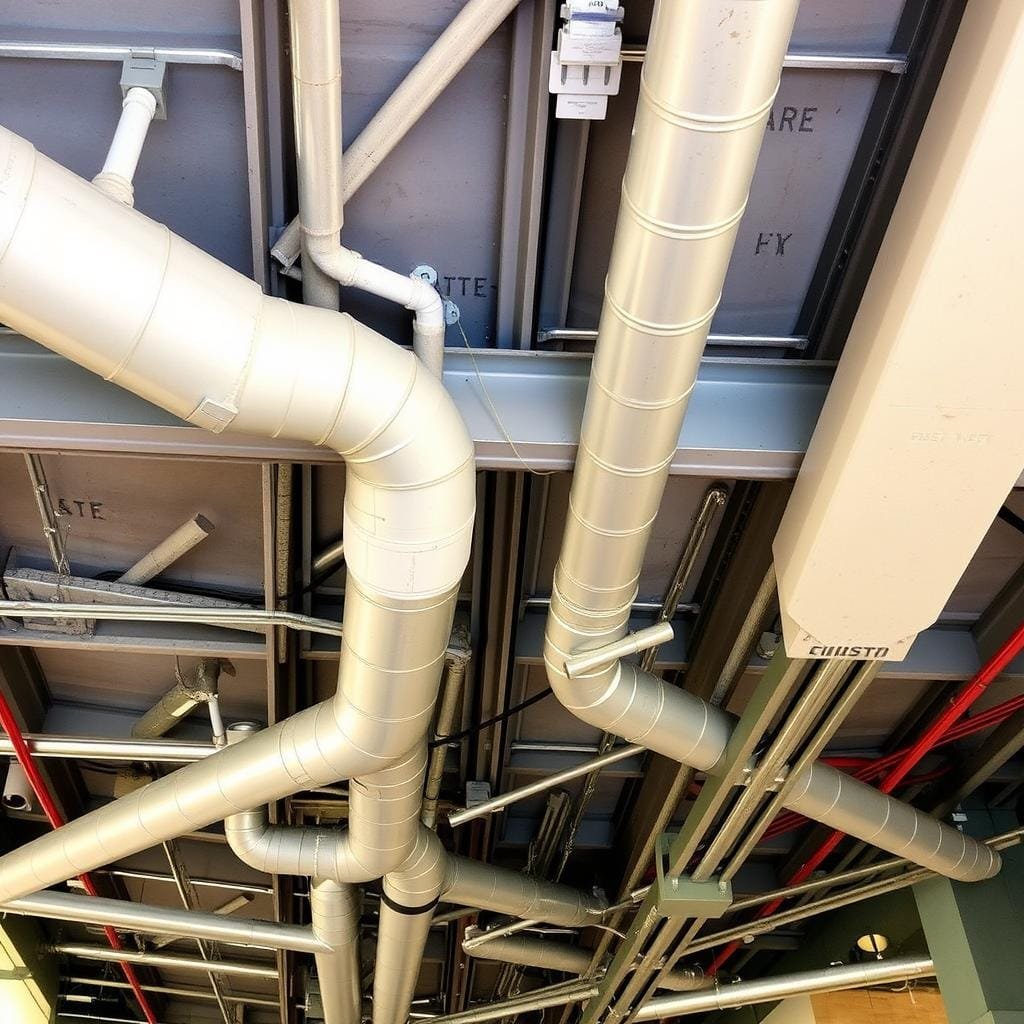
Rather than hiding structural elements, industrial design proudly displays them. Exposed beams, pipes, ductwork, and electrical conduits become design features rather than elements to conceal. This architectural honesty creates visual interest and connects spaces to their utilitarian roots.
Open Space & Light
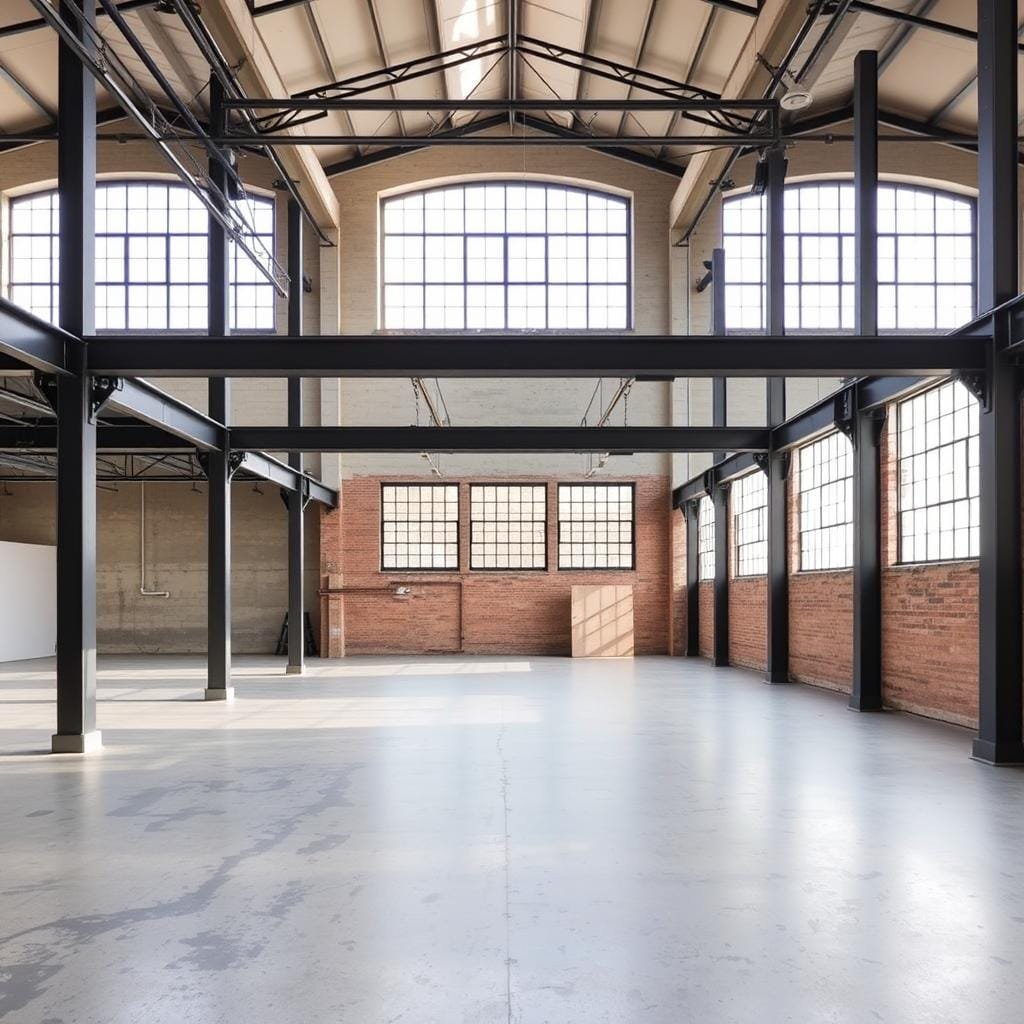
Industrial spaces embrace openness, with minimal partitions and high ceilings that create a sense of volume. Large windows—often in factory or warehouse styles—flood these spaces with natural light, highlighting textures and creating a connection to the outside world.
The Industrial Color Palette
The industrial color scheme builds on the natural tones of its raw materials. The foundation typically consists of neutrals—grays from concrete, browns from wood and leather, whites for contrast, and blacks for definition. This neutral base allows the textures and forms of industrial elements to take center stage.
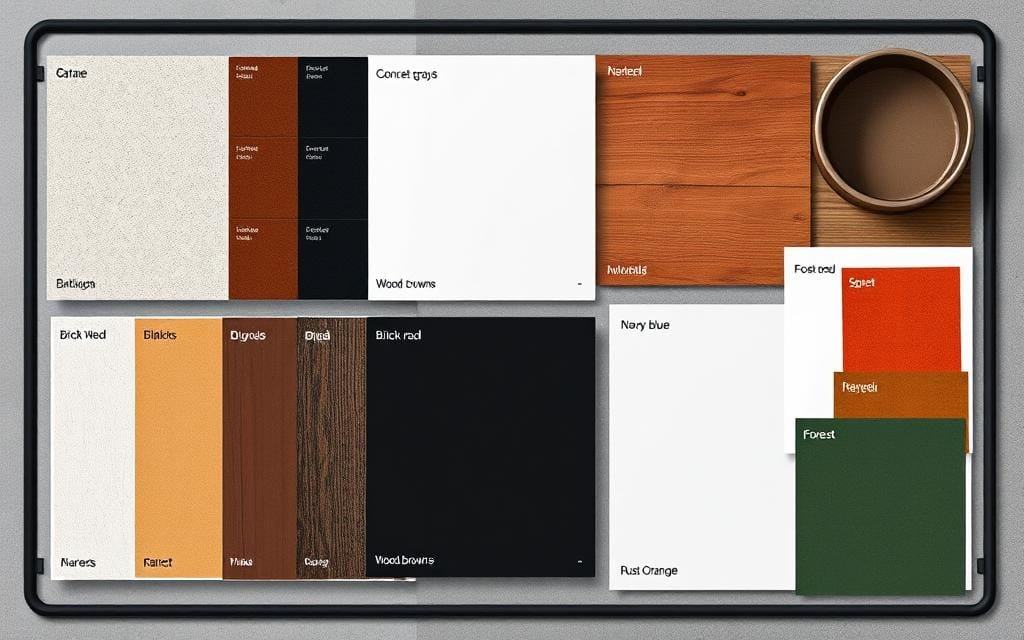
While neutrals dominate, industrial spaces often incorporate strategic pops of color. These typically come from:
- Rust oranges and deep reds reminiscent of oxidized metal
- Navy blues and forest greens for a subtle industrial-meets-nature vibe
- Yellow accents that recall caution signs and industrial equipment
- Patinated copper greens that suggest age and character
These colors work best as accents in artwork, textiles, or smaller decor pieces, allowing the raw materials to remain the stars of the show.
Industrial Design in the Living Room
The living room offers the perfect canvas to showcase industrial design’s blend of raw elements and comfortable living. Here’s how to create an industrial living space that’s both authentic and inviting:
Feature Walls & Architectural Elements
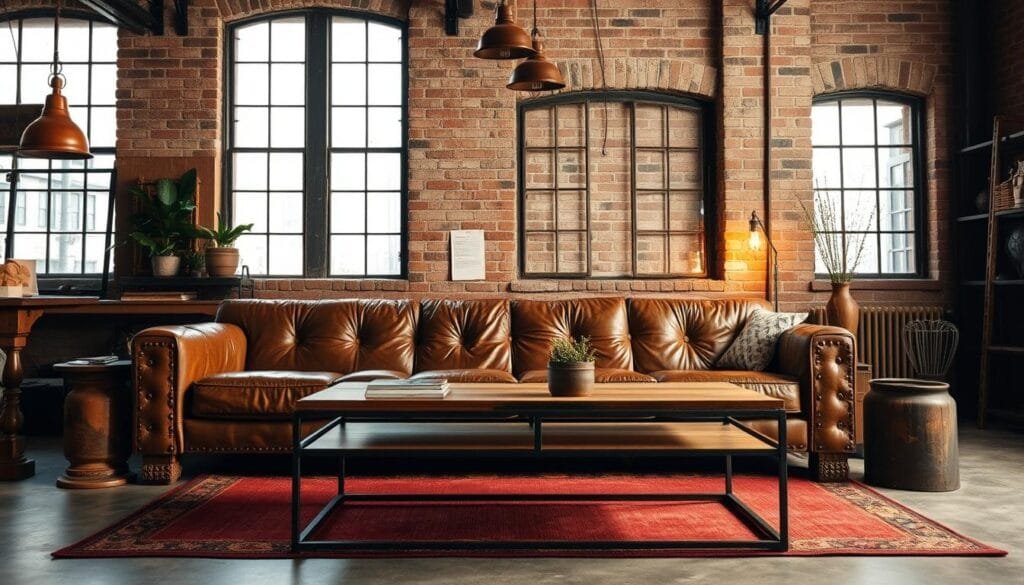
Create a focal point with an exposed brick wall or concrete surface. If your home doesn’t have these features naturally, consider brick veneer panels or concrete-effect paint finishes. Expose ceiling beams if possible, or add faux wood or metal beams to create architectural interest. Industrial-style windows with black metal frames make a dramatic statement, but you can also achieve this look with black-framed mirrors or artwork.
Furniture Selection
Choose pieces that balance comfort with industrial character:
- Leather sofas that develop a beautiful patina over time
- Modular seating with metal accents or exposed frameworks
- Coffee tables combining metal bases with wood, concrete, or glass tops
- Storage units with open shelving in metal or reclaimed wood
- Vintage industrial pieces like factory stools or workbenches repurposed as side tables
Lighting Strategies
Lighting plays a crucial role in industrial spaces, creating atmosphere while reinforcing the style:
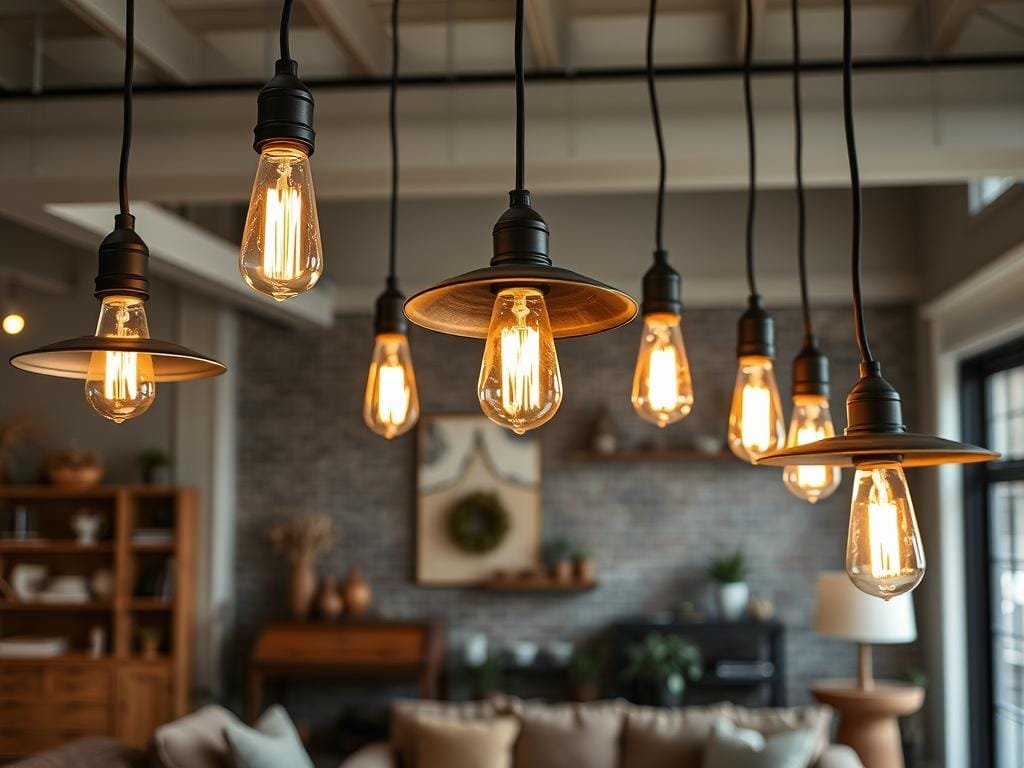
Pendant lights with metal shades or exposed bulbs make powerful statements. Look for designs with visible hardware, adjustable arms, or pulley systems that reference industrial functionality.

Complement overhead lighting with floor and table lamps featuring articulated arms, visible springs, and directional shades. Task lighting not only serves a practical purpose but also reinforces the functional aspect of industrial design.
Need help sourcing authentic industrial lighting?
Download my free guide to the best industrial lighting sources, from vintage salvage to modern reproductions.
Industrial Kitchen Design
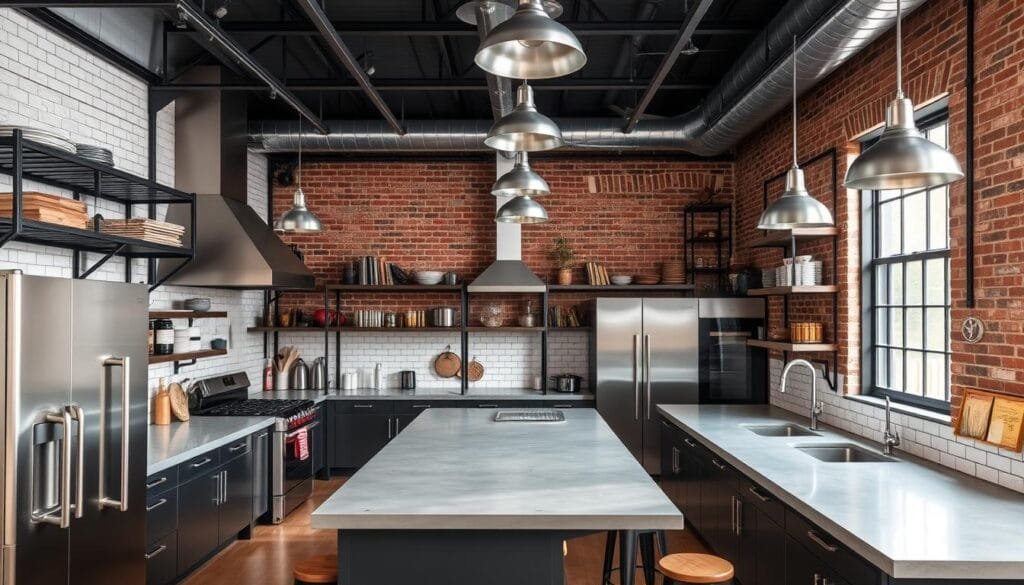
The kitchen is where industrial style truly shines, as its utilitarian roots align perfectly with the functional needs of a cooking space. Here’s how to create an industrial kitchen that balances professional-grade functionality with raw aesthetic appeal:
Surfaces & Materials
Industrial kitchens embrace hardworking surfaces that improve with age:
- Concrete countertops that develop character over time
- Stainless steel work surfaces that reference professional kitchens
- Subway tile backsplashes with dark grout for contrast
- Reclaimed wood elements to add warmth
- Exposed brick walls or concrete surfaces
Storage Solutions
Industrial kitchens favor visibility and accessibility over concealment:
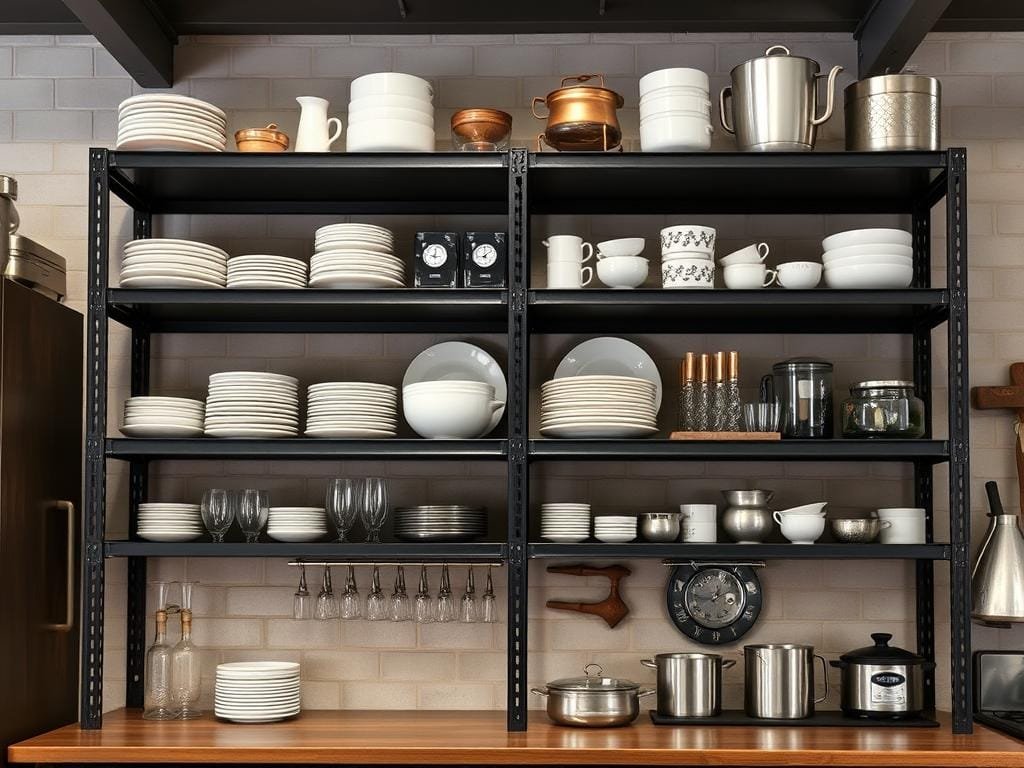
Open shelving in metal or reclaimed wood puts dishes and cookware on display. This not only creates a restaurant-like efficiency but also turns everyday items into decor elements.
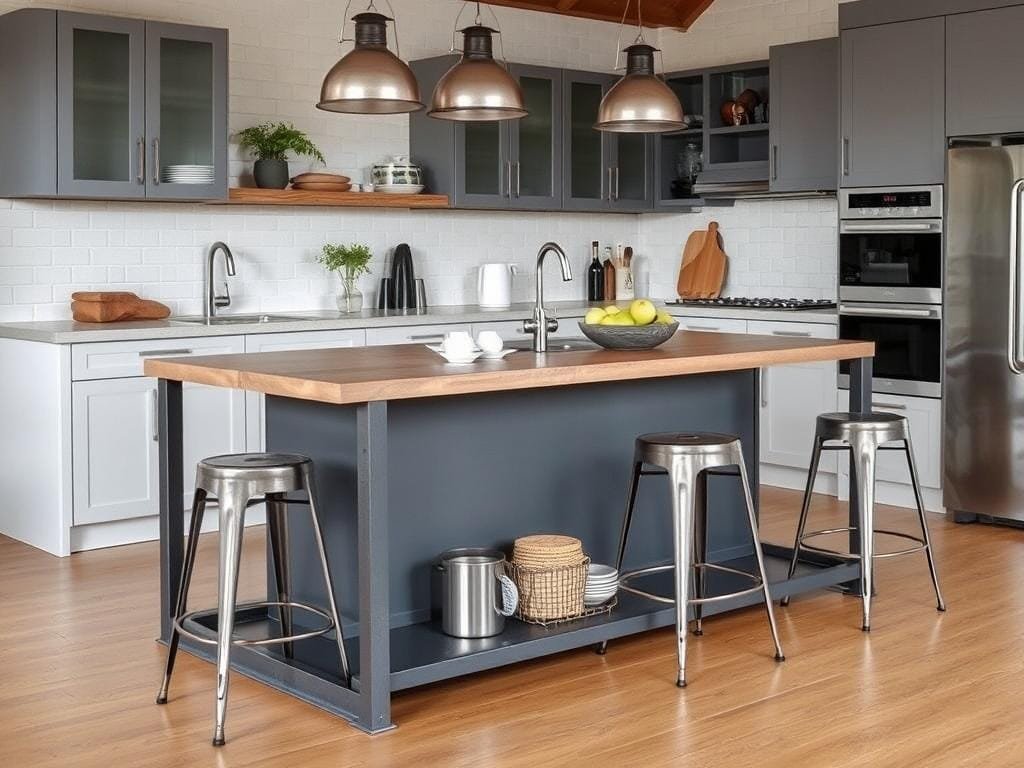
Kitchen islands with open bases provide both storage and seating opportunities. Look for designs with metal frames, casters for mobility, and tops in wood, stainless steel, or concrete.
Fixtures & Hardware
The details make the difference in an industrial kitchen:
- Commercial-style faucets with exposed springs and articulated arms
- Pendant lights with metal shades hanging over islands and work areas
- Cabinet hardware in black iron, brass, or steel with a vintage feel
- Pot racks that combine storage with visual interest
- Visible pipe fittings used as towel bars or utensil holders
Creating an Industrial Bedroom Retreat
The bedroom presents a unique challenge in industrial design: how to maintain the style’s raw character while creating a space that feels restful and intimate. The key lies in balancing industrial elements with softening touches:
Bed & Furniture Choices
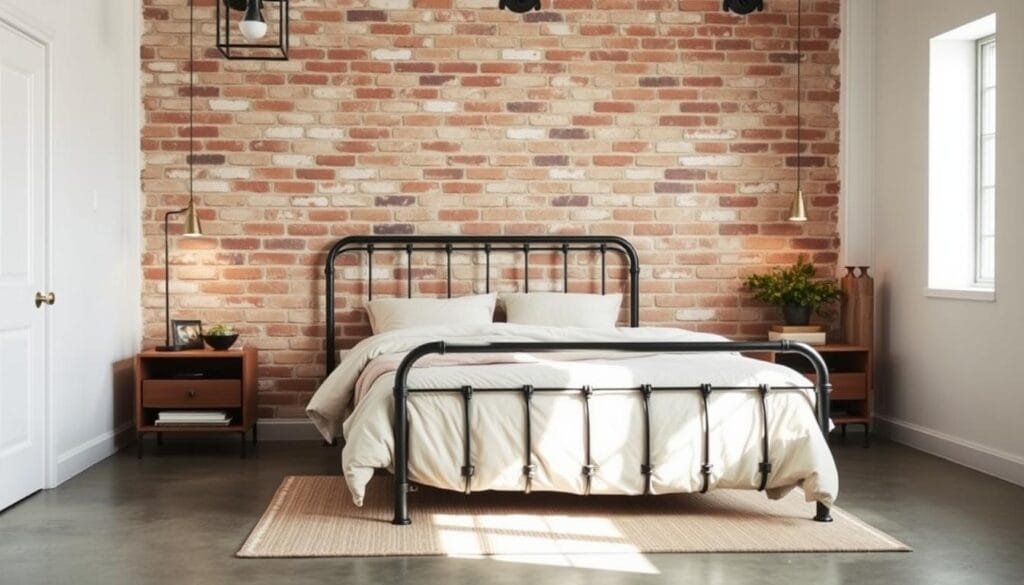
The bed serves as the focal point in any bedroom, and in industrial design, it’s an opportunity to showcase the style’s characteristic materials:
- Metal bed frames with clean lines and minimal ornamentation
- Platform beds with reclaimed wood bases and simple headboards
- Nightstands in metal, wood, or a combination of both
- Storage solutions like vintage metal lockers or industrial carts
- Benches or trunks at the foot of the bed in leather, metal, or wood
Softening Elements
Balance is crucial in an industrial bedroom. Incorporate these elements to soften the space without compromising its style:
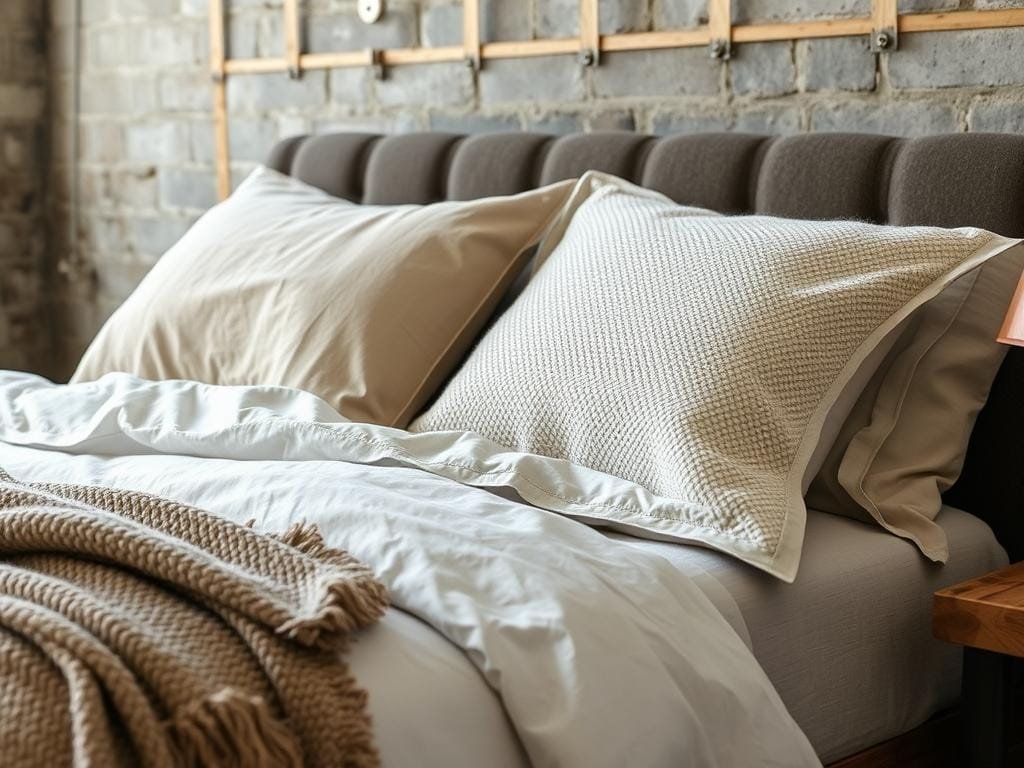
Layer bedding with different textures—crisp cotton sheets, nubby linen duvet covers, and chunky knit throws. Stick to the industrial color palette but play with different shades and materials to create depth and interest.
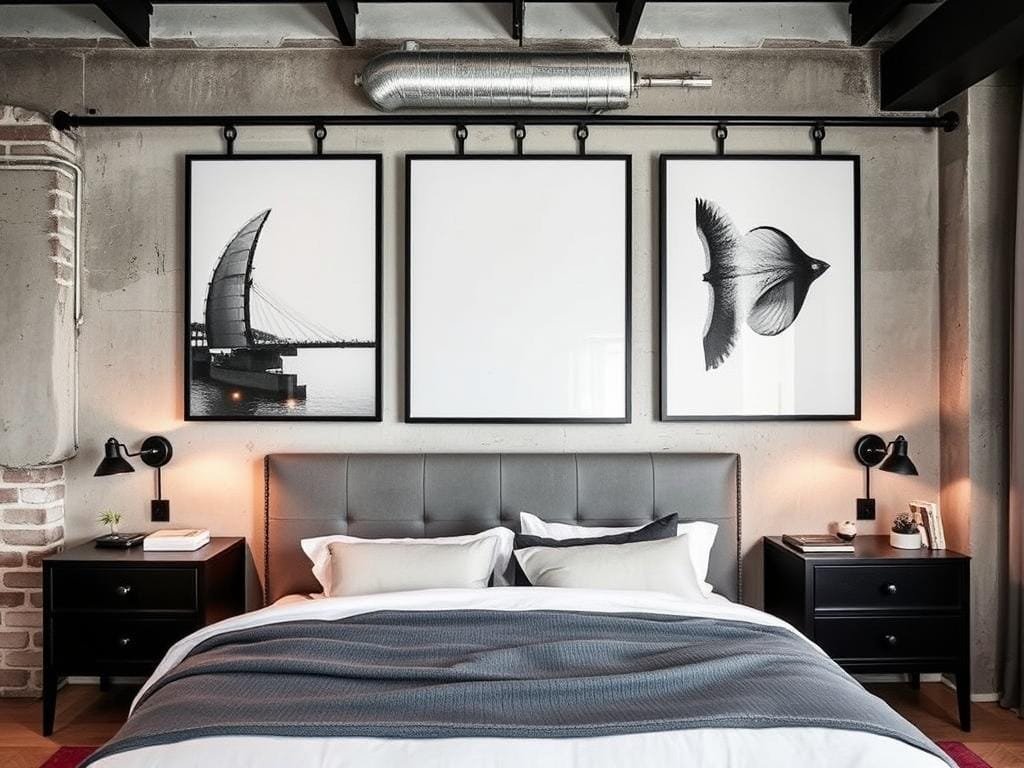
Incorporate artwork that complements the industrial aesthetic—large-scale photography, abstract pieces, or vintage industrial patents and diagrams. Warm lighting from bedside sconces creates a cozy atmosphere while maintaining style consistency.
Lighting Considerations
Thoughtful lighting transforms an industrial bedroom from stark to serene:
- Wall-mounted reading lights with adjustable arms
- Pendant lights hanging at bedside instead of traditional table lamps
- Edison bulbs for their warm glow and vintage industrial feel
- Floor lamps with metal shades and exposed hardware
- String lights for a softer ambient effect
Industrial Bathroom Design
The bathroom offers exciting opportunities to incorporate industrial elements in unexpected ways. The combination of water, metal, and tile creates a space that’s both functional and visually striking:
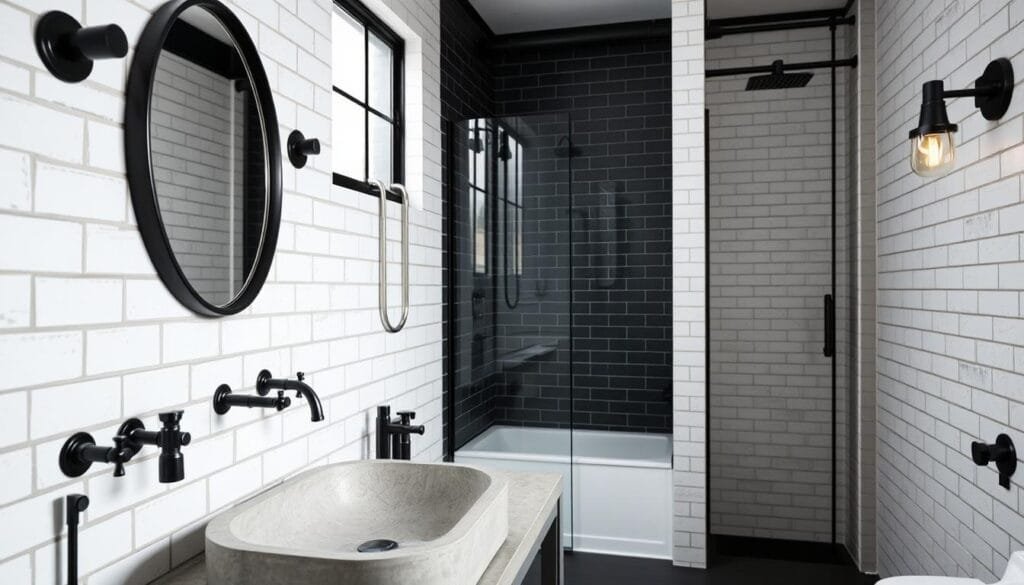
Fixtures & Hardware
Industrial bathrooms celebrate plumbing rather than concealing it:
- Exposed copper or brass pipes for sinks and showers
- Wall-mounted faucets with cross handles or lever controls
- Matte black or brushed metal fixtures for a contemporary industrial look
- Vintage-inspired shower systems with exposed thermostatic valves
- Industrial floor drains in walk-in showers
Surfaces & Materials
Continue the industrial material palette in the bathroom with these elements:
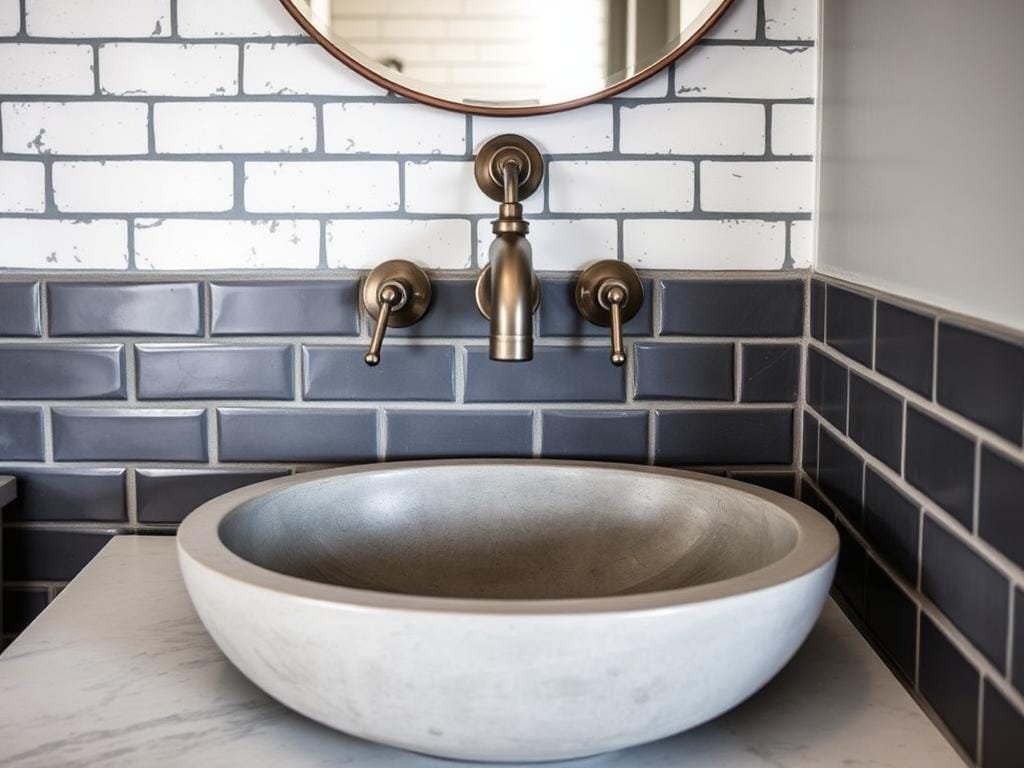
Concrete sinks—whether vessel, trough, or integrated countertop styles—make a strong industrial statement. Pair with wall-mounted faucets for maximum impact.
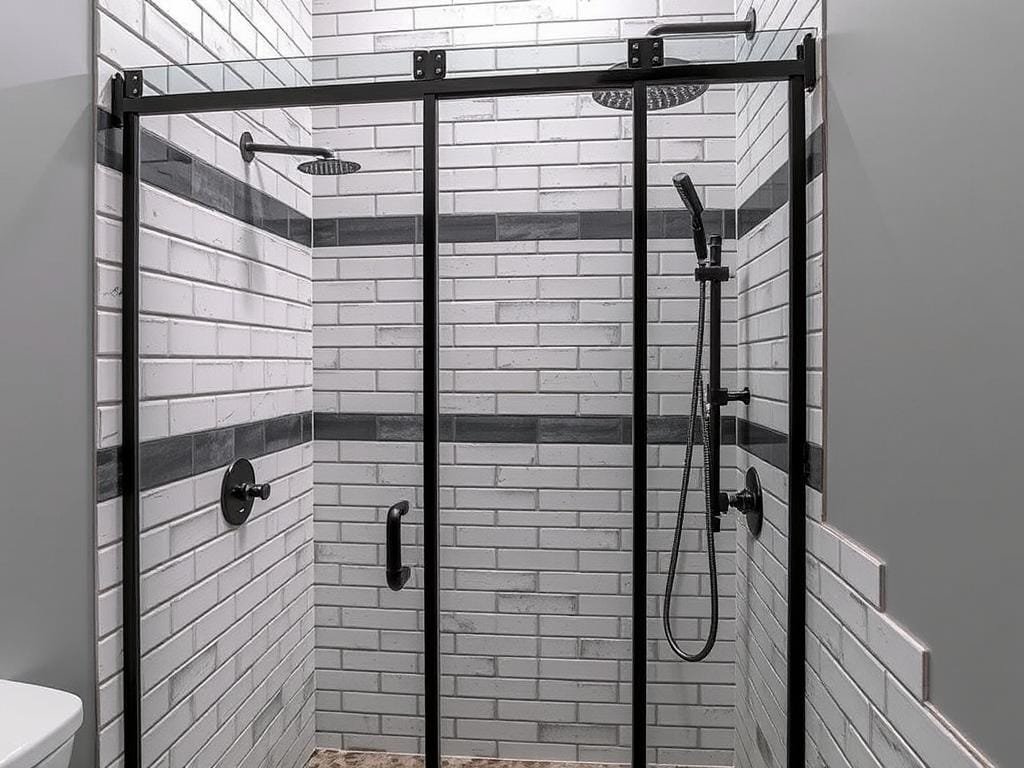
Subway tile with dark grout offers a classic industrial look that’s also practical for wet areas. For shower enclosures, consider black-framed glass panels that reference factory windows.
Storage & Accessories
Keep the utilitarian spirit alive with thoughtful storage solutions:
- Open metal shelving for towels and bathroom essentials
- Repurposed industrial containers for storage
- Metal-framed mirrors with simple profiles
- Vintage stools or industrial carts repurposed as vanities
- Wire baskets for organizing toiletries
Tips & Tricks for Achieving Industrial Style
Not everyone has the luxury of starting with a converted warehouse space. Here are practical ways to incorporate industrial elements into any home:
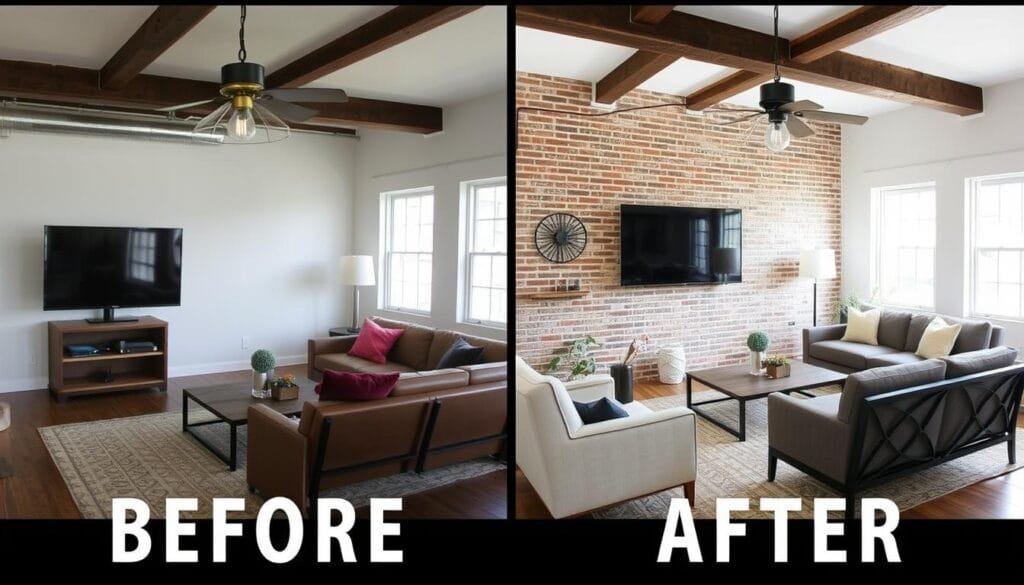
For Homes Without Industrial Bones
These strategies help create industrial character in conventional spaces:
- Install brick veneer panels or concrete-effect wall finishes to create texture
- Replace standard light fixtures with industrial-style pendants and sconces
- Swap out conventional hardware for black iron or brass alternatives
- Use pipe fittings to create custom shelving or furniture pieces
- Paint ductwork or ceiling beams in matte black rather than concealing them
- Replace interior doors with sliding barn-style doors on exposed hardware
Balancing Raw & Refined
The most successful industrial spaces find harmony between rough and polished elements:
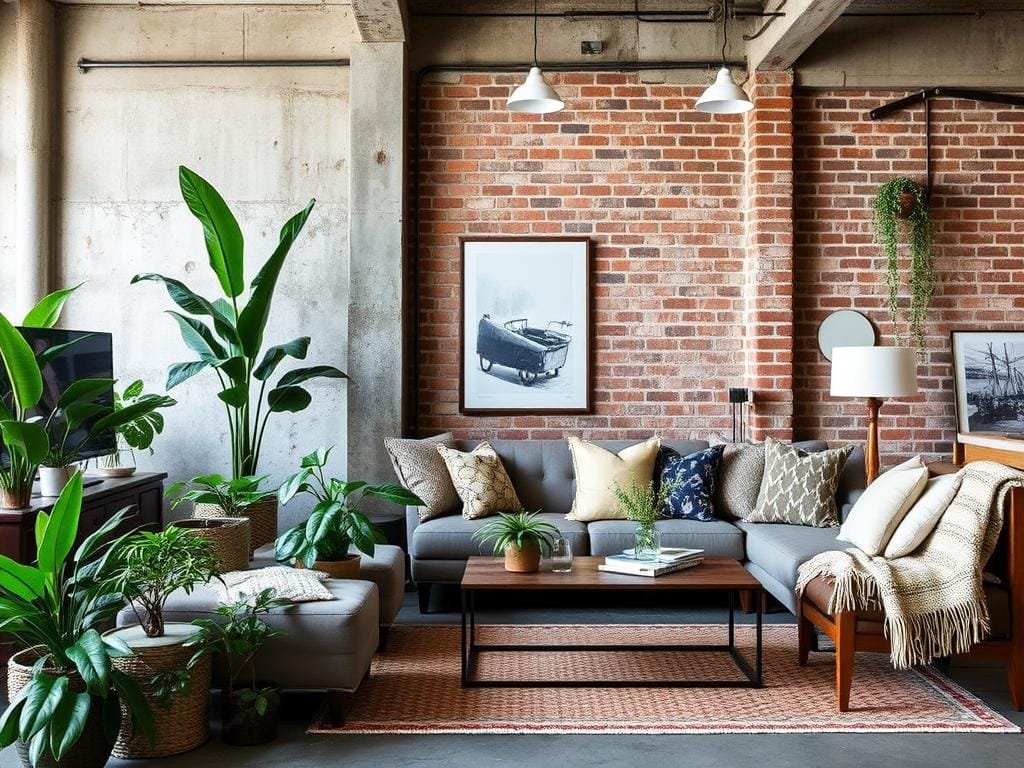
Incorporate plants to bring life and organic shapes to angular industrial spaces. Large statement plants like fiddle leaf figs or smaller collections of succulents add color and softness.
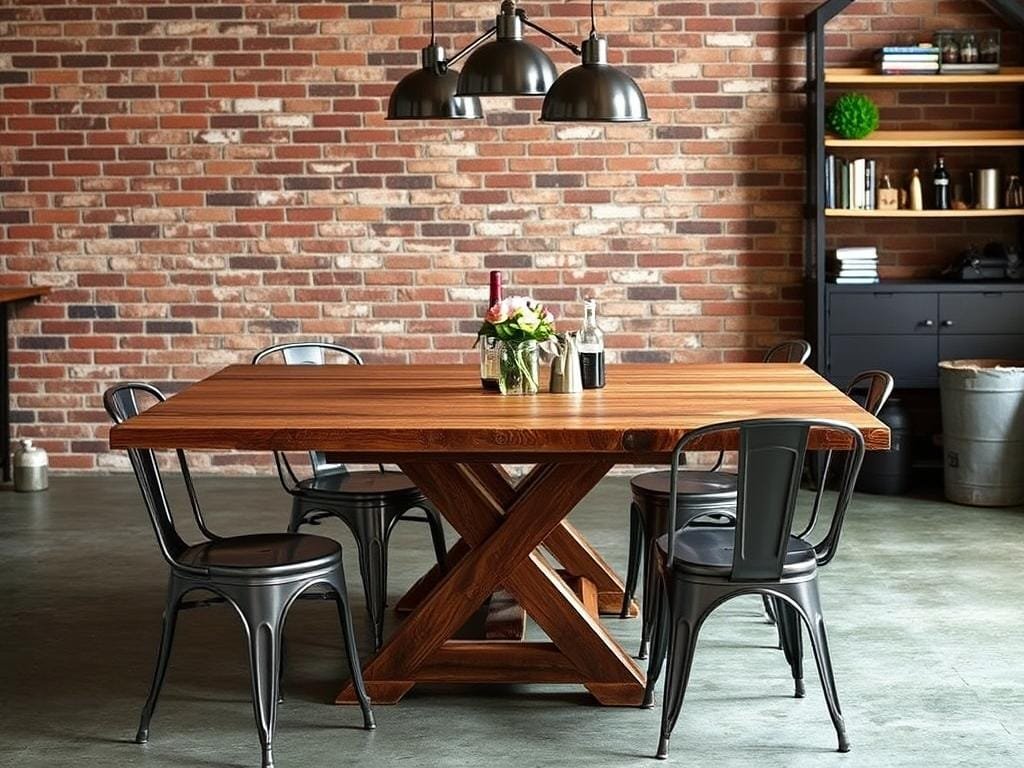
Mix materials thoughtfully—pair metal chairs with a wooden table, or add woven textiles to leather seating. These contrasts create visual interest while preventing the space from feeling too harsh or cold.
Lighting Strategies
Effective lighting transforms industrial spaces from stark to inviting:
- Layer different light sources—overhead, task, and ambient—for flexibility
- Use warm-toned bulbs (2700-3000K) to counterbalance cool industrial materials
- Install dimmer switches to control mood and atmosphere
- Highlight architectural features with strategic accent lighting
- Consider the visual impact of fixtures even when not illuminated
Sourcing Industrial Elements
Finding authentic industrial pieces adds character to your space:
- Explore architectural salvage yards for genuine industrial artifacts
- Visit flea markets and antique shops for vintage industrial lighting and furniture
- Consider repurposing unexpected items—old factory carts as coffee tables, metal lockers as storage
- Look for reproduction pieces that capture industrial character with modern functionality
- Support artisans who create custom industrial-inspired furniture and fixtures
Embracing Industrial Style: Final Thoughts
Industrial home interior design offers a unique opportunity to create spaces with character, history, and visual interest. By celebrating raw materials, structural elements, and functional beauty, this style creates homes that feel both authentic and contemporary. The key to success lies in balance—contrasting rough with refined, cold with warm, and vintage with modern.
Remember that the most compelling industrial spaces tell a story. Whether through genuinely salvaged elements or thoughtfully chosen new pieces that reference industrial heritage, your space should feel collected rather than decorated. Embrace imperfections, celebrate utility, and create a home that honors the honest craftsmanship of industrial architecture while meeting the needs of modern living.
Ready to transform your space with industrial style?
Download my comprehensive Industrial Style Design Guide with room-by-room checklists, sourcing directories, and exclusive tips not covered in this article.
Need personalized design help?
Book a 30-minute virtual consultation to discuss your industrial design project and get expert advice tailored to your space.