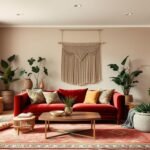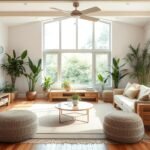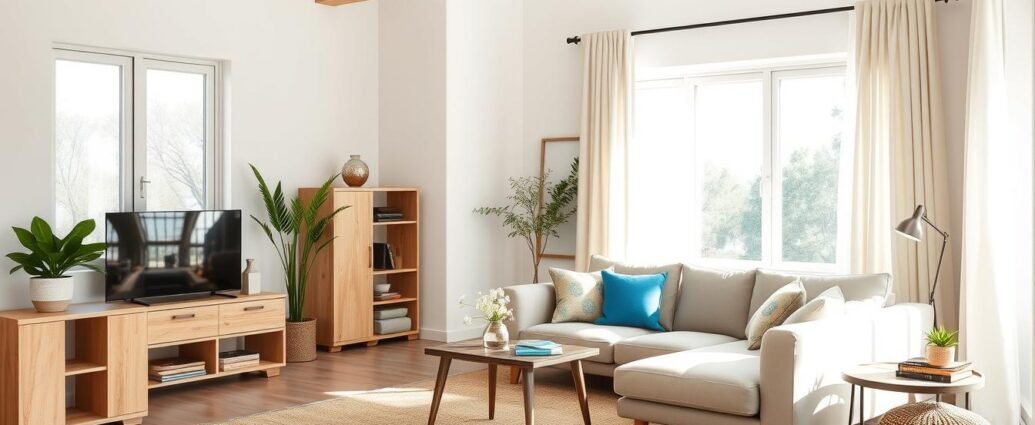
The concept of budget interior design is evolving beyond simply finding the cheapest options. In 2026, it’s about making thoughtful choices that blend affordability with sustainability, functionality, and personal expression. We’re seeing a wonderful shift where budget-conscious design no longer means compromise – instead, it’s becoming a creative advantage that leads to more intentional, meaningful spaces. Let’s explore how you can transform your home with smart, accessible design ideas that look anything but budget.
Key Budget Design Principles for 2026
As we look toward 2026, several core philosophies are reshaping how we approach budget-friendly interior design. These principles aren’t just about saving money – they’re about creating spaces that are more sustainable, personal, and adaptable to our changing lives.
Multi-functional spaces maximize both square footage and budget in 2026 design
Multi-Functional Spaces
The days of single-purpose rooms are fading as we embrace spaces that can adapt to our changing needs. In 2026, budget-conscious design means investing in pieces that serve multiple functions – like sofas that convert to guest beds, coffee tables with built-in storage, or dining areas that double as work spaces. This approach not only saves money but makes your home more versatile and efficient.
DIY 2.0: Tech-Assisted Creativity
DIY is getting a tech upgrade in 2026. With the help of augmented reality apps, online tutorials, and affordable digital design tools, creating custom pieces or refreshing existing items is more accessible than ever. These technologies help you visualize changes before making them, reducing costly mistakes and opening up creative possibilities that were once reserved for professionals.
Sustainable Sourcing
Budget design in 2026 embraces sustainability not just as an ethical choice but as a practical one. Thrifting, upcycling, and choosing second-hand items are becoming mainstream approaches that save money while reducing environmental impact. Digital marketplaces make it easier to find quality used pieces, while repair cafés and community skill-sharing help extend the life of what you already own.
Buy Less, Buy Better
Perhaps the most significant shift in budget design thinking is the move from quantity to quality. Rather than filling spaces with inexpensive items that need frequent replacement, the focus is on saving for fewer, better pieces that will last. This approach creates less waste, saves money long-term, and results in more meaningful interiors that tell your personal story.
Top Budget-Friendly Design Trends for 2026
The most exciting budget design trends for 2026 combine affordability with style and substance. These approaches allow you to create spaces that feel current and personal without breaking the bank.
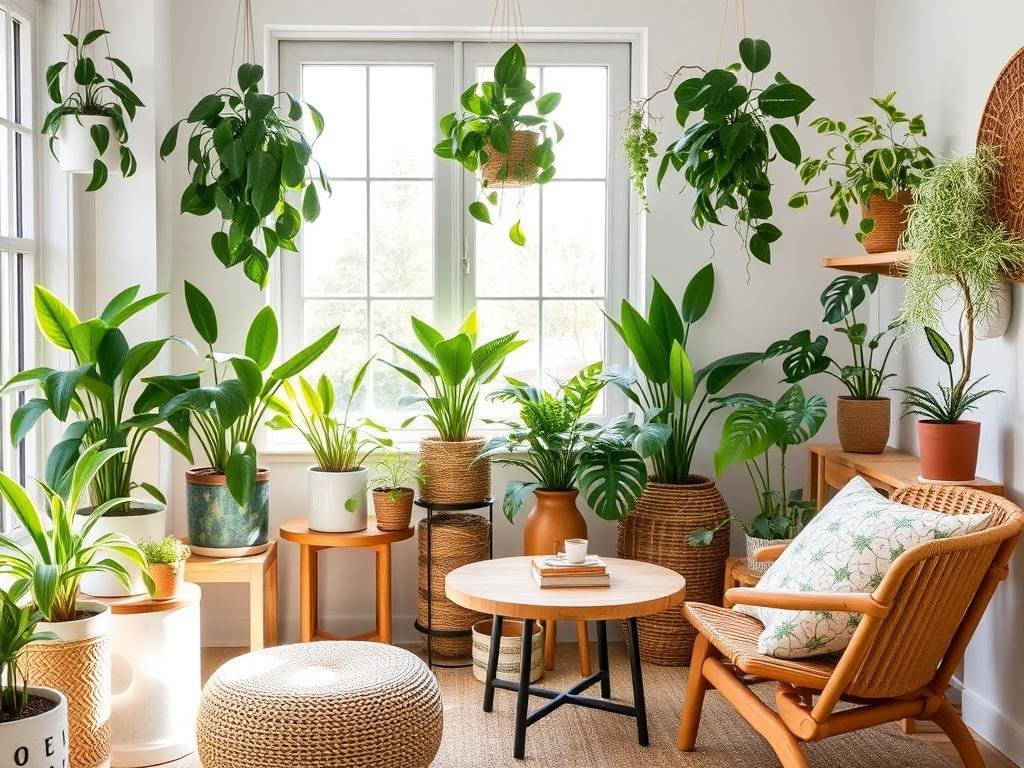
Biophilic design elements bring nature indoors without expensive renovations
Biophilic Design on a Budget
Connecting with nature through interior design continues to gain momentum, and thankfully, it doesn’t require expensive renovations. Budget-friendly biophilic design in 2026 focuses on incorporating natural light, affordable houseplants, and natural materials like wood, stone, and clay. Even simple changes like rearranging furniture to maximize window views or adding a small herb garden to your kitchen can create that nature connection without significant expense.
Find Your Budget Design Style
Not sure which 2026 budget design trend fits your personality and space? Take our quick quiz to discover your perfect affordable style direction!
Maximalist Layering with Thrifted Finds
The maximalist trend continues to evolve in 2026, with a focus on creative layering of textures, patterns, and colors. What makes this trend budget-friendly is its embrace of thrifted, vintage, and second-hand items. Mismatched furniture, eclectic art collections, and varied textiles create rich, personalized spaces that can be built gradually as you discover special pieces at affordable prices. This approach celebrates imperfection and personal history over matching sets or brand-new items.
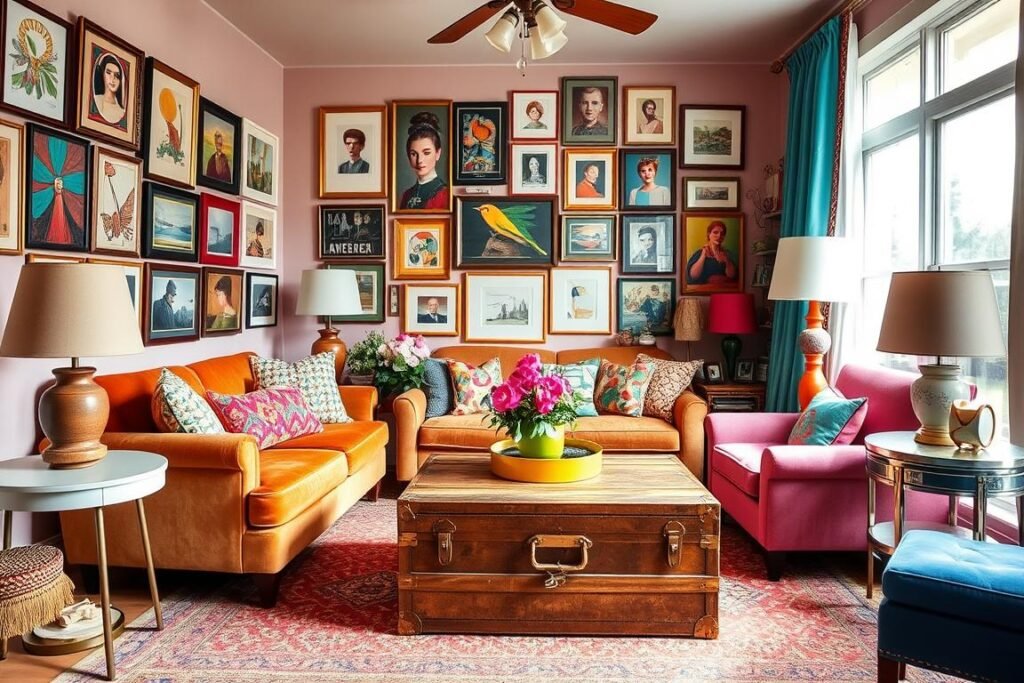
Thrifted furniture and varied textiles create rich, personalized spaces without high costs
Smart Home Integration for Less
Smart home technology is becoming more affordable and accessible, making it a realistic option for budget-conscious homeowners in 2026. Rather than expensive whole-home systems, the trend is toward strategic use of standalone smart devices that offer the biggest impact for your investment. Think energy-saving smart thermostats, lighting systems that reduce electricity use, or affordable voice assistants that help manage your home. Many of these technologies pay for themselves over time through reduced utility bills.
The Return of Personalized Craft
Handmade elements are making a strong comeback in 2026 interior design, partly because they offer unique character at a fraction of the cost of high-end decor. Simple crafts like hand-painted furniture, DIY wall art, macramé hangings, or custom textile projects add personal touches that can’t be bought in stores. Online tutorials and community workshops make these skills more accessible than ever, even for beginners.
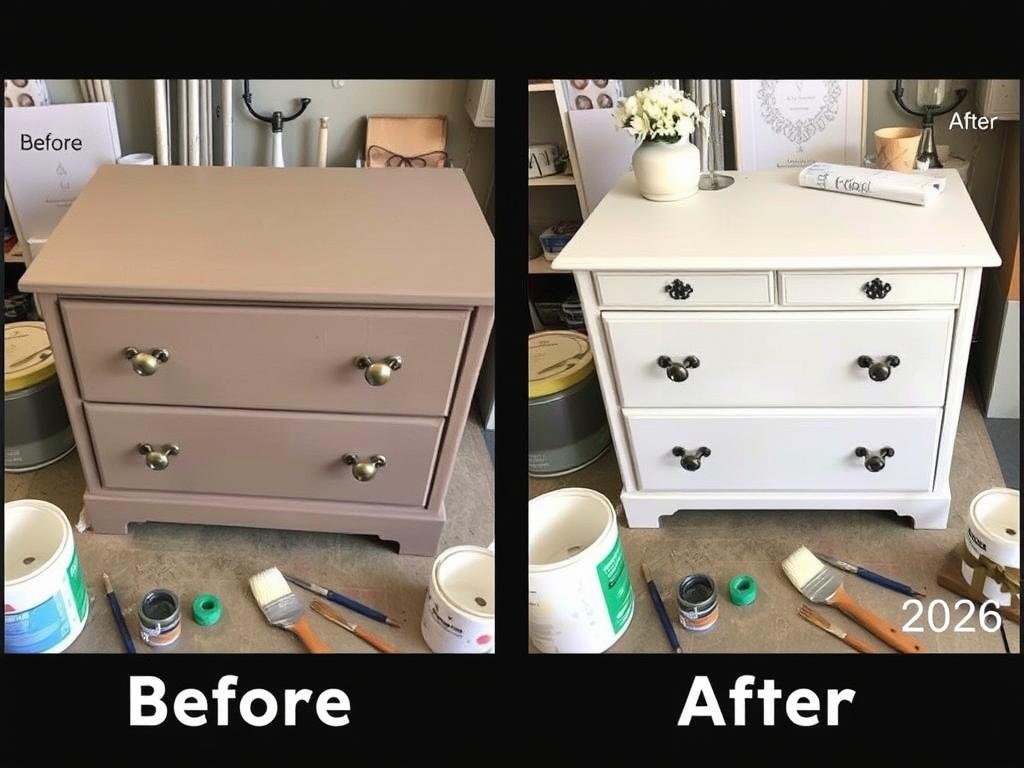
DIY craft projects transform basic furniture into custom statement pieces
Actionable Tips & Strategies for Budget Design
Success with budget interior design comes down to smart planning and resourceful execution. These practical strategies will help you maximize your design impact while minimizing your spending.
Planning Your Budget Design
- Create a detailed inventory of what you already own and love before buying anything new
- Prioritize high-impact areas where you spend the most time
- Develop a phased approach to spread costs over time
- Invest in quality for items you touch daily (seating, bedding)
- Save on purely decorative items that can be easily changed
Sourcing on a Budget
- Set up alerts on marketplace apps for specific items you’re seeking
- Explore estate sales in affluent neighborhoods for quality pieces
- Consider floor models, returns, and scratch-and-dent sections
- Join local buy-nothing groups and community exchanges
- Follow direct-to-consumer brands that eliminate retail markups
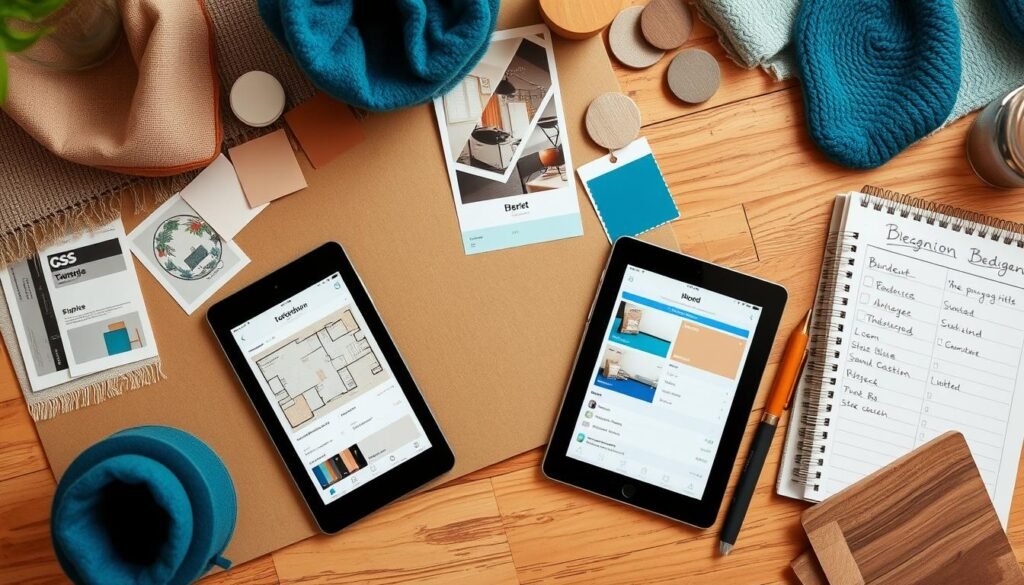
Careful planning with mood boards and samples helps avoid costly design mistakes
Repurposing with Purpose
One of the most budget-friendly approaches to 2026 design is reimagining what you already own. Before replacing furniture, consider how paint, new hardware, or reupholstery might transform it. Kitchen cabinets can be refreshed with new doors while keeping the boxes. Lighting fixtures can be updated with simple shade replacements. These targeted updates often deliver 80% of the impact at 20% of the cost of full replacements.
Strategic Splurging
Even with a tight budget, knowing where to invest can elevate your entire space. In 2026, strategic splurging means putting resources toward items that anchor a room or create significant visual impact. A quality sofa in a neutral fabric, for example, can serve as a foundation while more affordable accessories add color and trend elements. Similarly, a single statement light fixture can transform a room’s feel while the rest of the lighting comes from budget-friendly sources.
Where to Save
- Decorative accessories (easily swapped)
- Trend-driven items (will change)
- Secondary spaces (guest rooms, etc.)
- Items that can be DIY’d effectively
- Purely visual elements with no wear
Where to Spend
- Seating comfort (sofas, mattresses)
- Foundational pieces that anchor rooms
- Items that affect health (air quality)
- Energy-efficient upgrades (save long-term)
- Quality materials in high-wear areas
Budget-Friendly Product Categories for 2026
Certain product categories offer exceptional value in 2026, delivering style and function without the premium price tag. Here’s what to look for when shopping for your budget-conscious design update.
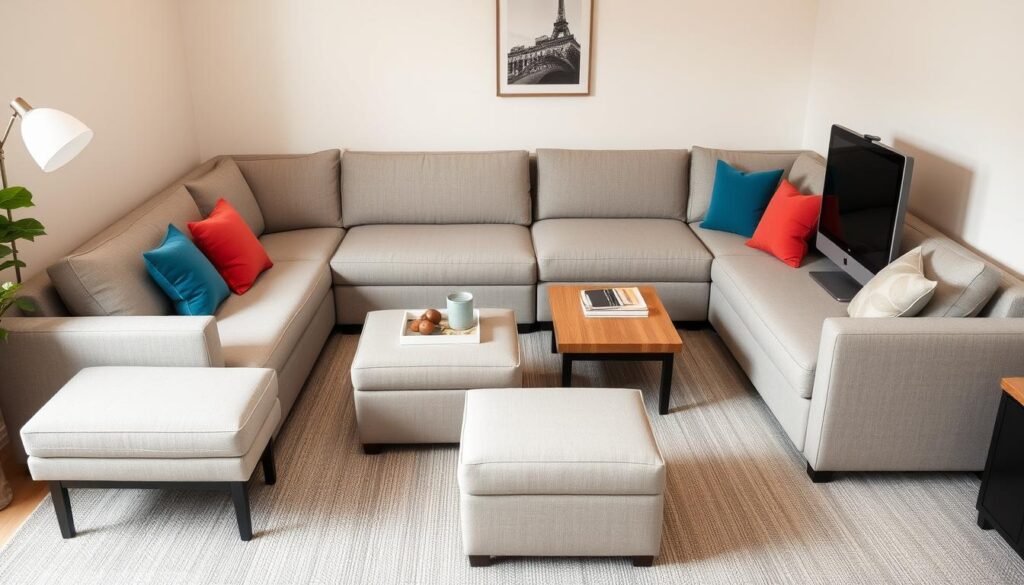
Modular furniture systems adapt to changing needs while maximizing small spaces
Modular Furniture Systems
Modular furniture continues to offer exceptional value in 2026, allowing you to start with essential pieces and add on as your budget allows. Look for sofa systems with sections that can be rearranged, shelving units that can expand horizontally or vertically, and tables with nesting components. The best modular systems use standardized dimensions that allow pieces to work together even when purchased years apart.
What to Look for in Modular Furniture
- Durable, neutral upholstery on seating pieces
- Consistent connection mechanisms across the system
- Availability of replacement parts
- Pieces that can function independently if needed
- Manufacturer commitment to continuing the line
Energy-Efficient Lighting
Lighting technology continues to advance in 2026, with LED systems offering both initial affordability and long-term energy savings. Budget-friendly options now include color-changing bulbs, simple programmable systems, and fixtures with integrated LEDs. The key is focusing on versatile lighting that can adapt to different activities and moods without requiring multiple fixtures.
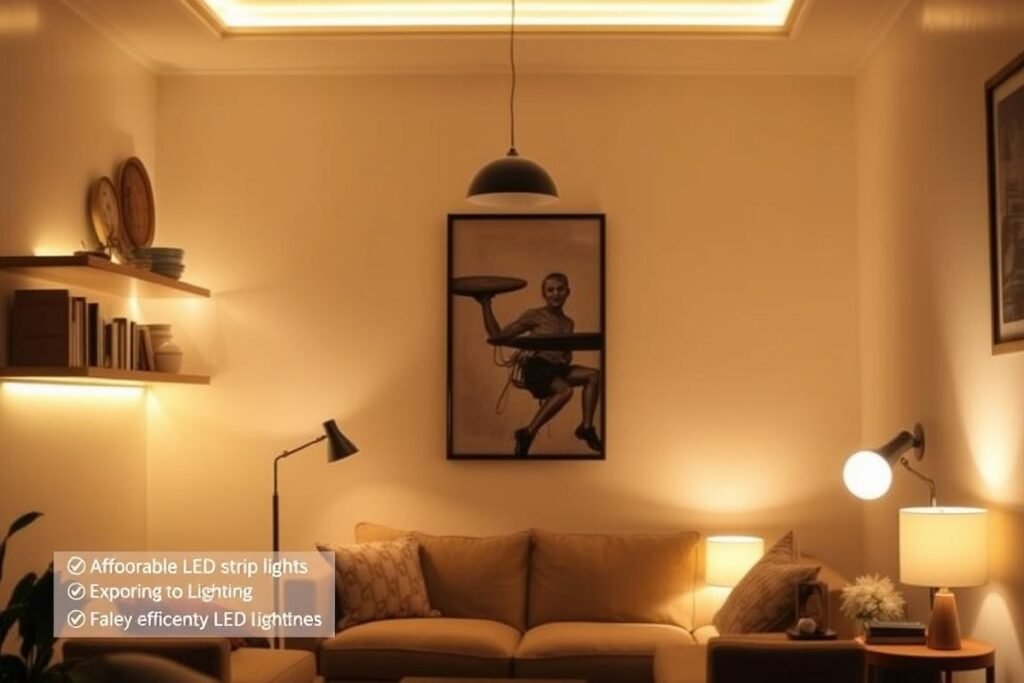
Strategic LED lighting creates ambiance while reducing energy costs
VOC-Free Paints and Finishes
Paint remains one of the most budget-friendly ways to transform a space, and in 2026, affordable low-VOC and zero-VOC options are widely available. These healthier formulations have improved significantly in coverage and durability, often eliminating the need for multiple coats. Look for paint brands that offer color-matching services to help you achieve designer shades without premium pricing.
Versatile Textiles
Textiles offer tremendous design impact at relatively low cost, making them a budget designer’s best friend in 2026. Investing in quality fabrics for items like curtains, pillow covers, and throws allows you to quickly transform spaces with seasonal changes or evolving preferences. Look for natural fibers when possible, as they tend to wear better and maintain their appearance longer than synthetics.
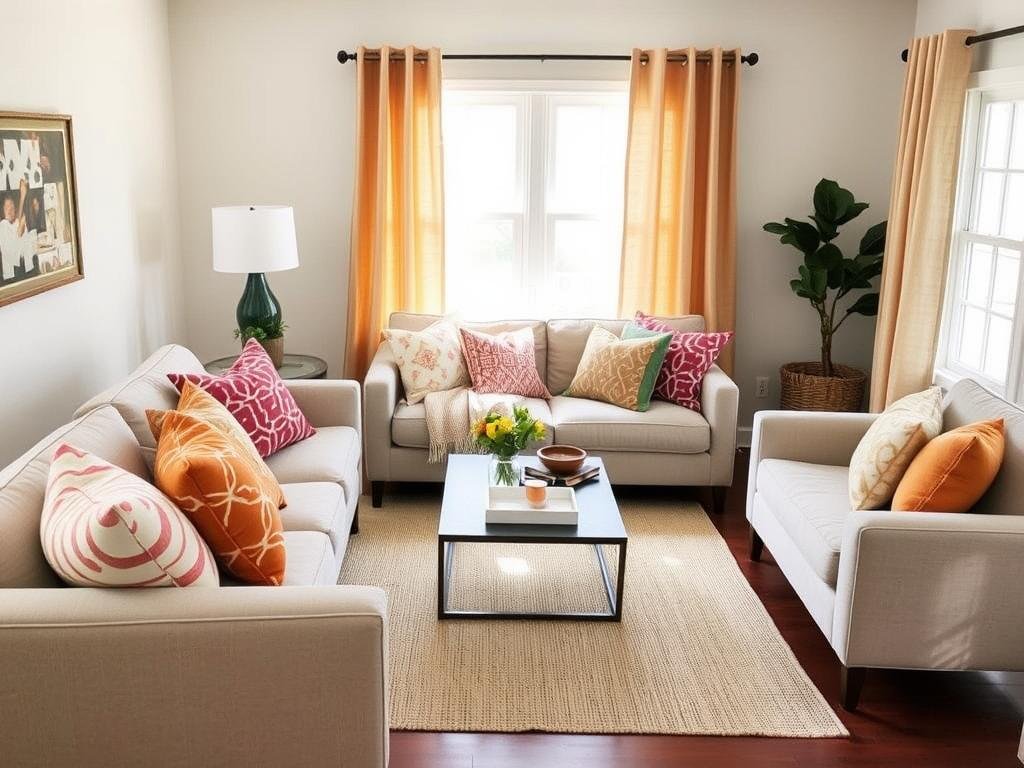
Affordable textile updates can completely transform a space’s look and feel
Multi-Functional Storage Solutions
Clever storage continues to be essential for budget design in 2026, with a focus on pieces that organize belongings while contributing to the room’s aesthetic. Look for storage ottomans, beds with integrated drawers, wall systems that combine display and concealment, and furniture that can easily transition between different rooms and purposes as your needs change.
Budget Storage Solutions
Storage doesn’t have to be expensive to be effective. These affordable options help maximize space while keeping your home organized and stylish.
- Floating shelves in unexpected places (above doors, in corners)
- Under-bed rolling containers for seasonal items
- Tension rods to create storage in unused vertical spaces
- Decorative baskets that organize while adding texture
- Furniture with hidden compartments for dual functionality
Room-by-Room Budget Design Strategies
Different rooms present unique opportunities and challenges for budget design. Here’s how to maximize impact in key spaces throughout your home.
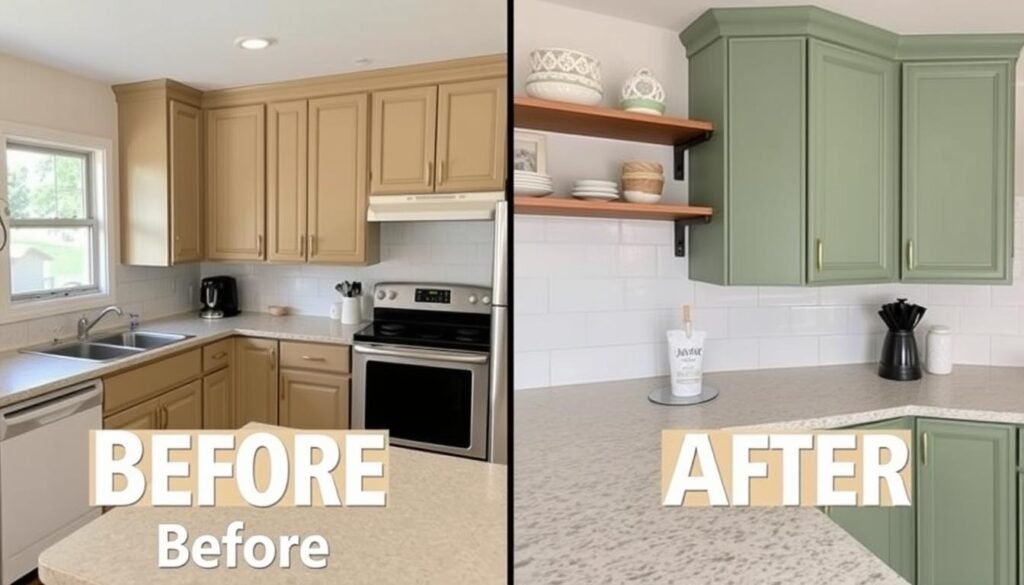
Strategic kitchen updates focus on paint, hardware, and styling for maximum impact
Kitchen Transformations
Kitchens typically demand the highest renovation budgets, but 2026 brings smart approaches for impactful changes without full remodels. Cabinet refacing or painting, replacing just the countertops, adding a new backsplash, or updating fixtures and hardware can dramatically transform the space. Consider removing some upper cabinets in favor of open shelving – a budget-friendly change that creates a more spacious feel while showcasing beautiful everyday items.
Living Room Refreshes
As the most-used room in many homes, living rooms benefit from strategic budget allocation. Focus first on the layout – often simply rearranging furniture can transform the space at zero cost. Next, consider the room’s focal point, whether it’s a fireplace, window, or media wall. Enhancing this area with paint, lighting, or decorative elements creates maximum impact. Finally, layer in textiles and accessories that can be easily changed as trends evolve.
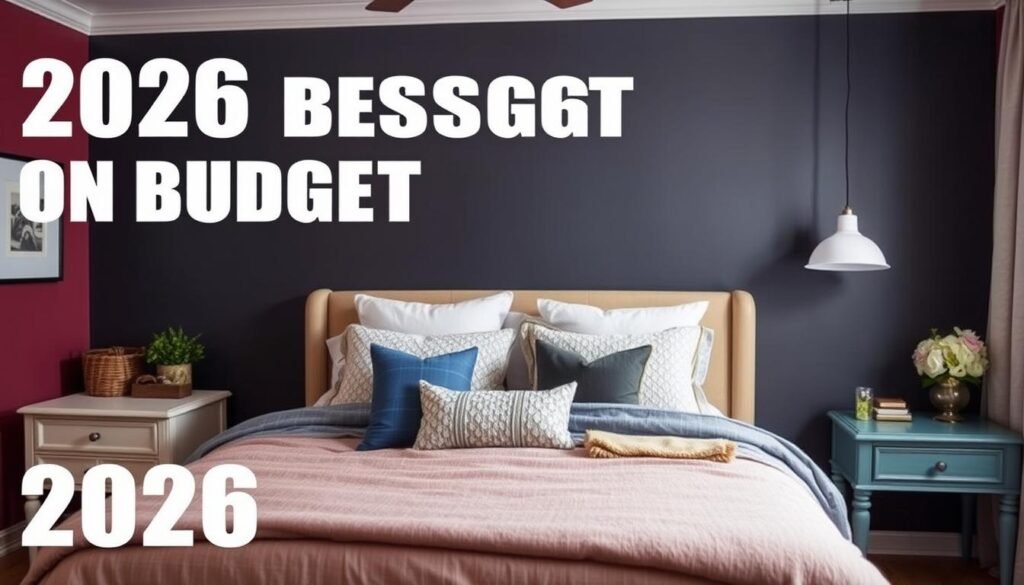
A statement wall and layered textiles create a designer bedroom look on a budget
Bedroom Sanctuaries
Creating a restful bedroom doesn’t require luxury prices. In 2026, budget bedroom design focuses on comfort and personal expression. Invest in the best mattress you can afford, then save on the bed frame with simple, timeless designs. A statement wall behind the bed – created with paint, wallpaper, or even fabric – draws attention away from more budget-conscious furniture. Layered bedding with different textures adds richness without requiring expensive linens.
Bathroom Updates
Bathrooms can be refreshed without the expense of moving plumbing or replacing fixtures. Consider reglazing a tub rather than replacing it, updating cabinet hardware, installing a new toilet seat, or replacing just the vanity top. Shower curtains, towels, and bath accessories offer low-cost ways to introduce color and pattern. For a more substantial change, new flooring – especially luxury vinyl tile or peel-and-stick options – can transform the space without professional installation.
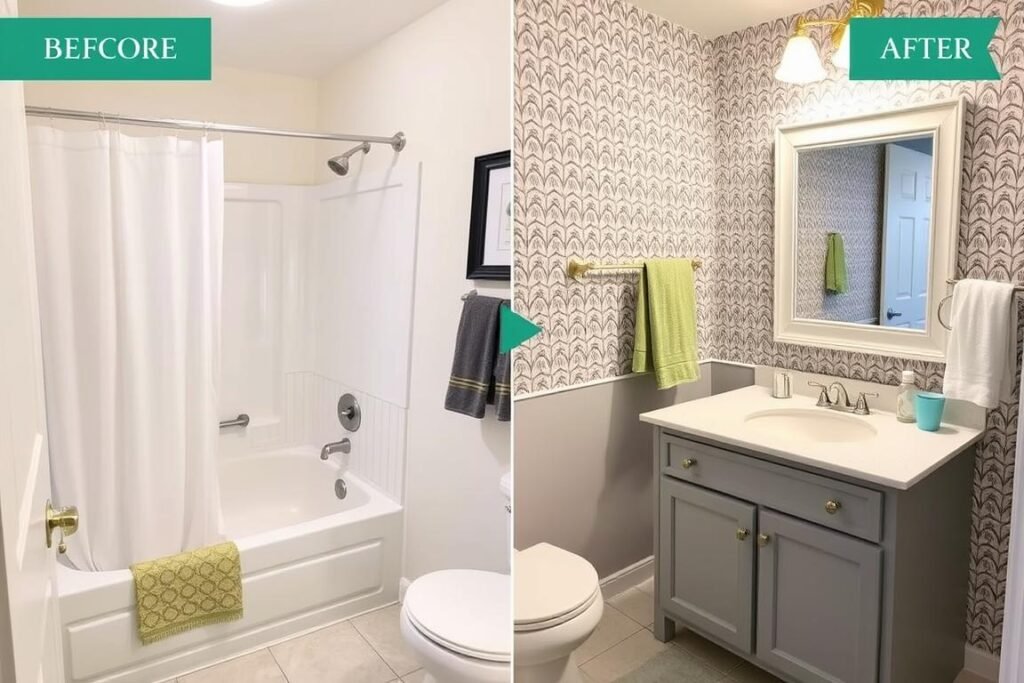
Targeted bathroom updates focus on fixtures, textiles, and accessories rather than major renovations
Multi-Functional Home Offices
As remote work continues to evolve, creating functional home office spaces on a budget remains important in 2026. The key is versatility – designing spaces that can serve multiple purposes throughout the day. Look for desks that can fold away or convert to other uses, chairs that work for both dining and desk work, and storage solutions that keep work materials organized but out of sight when not in use.
DIY Projects for Maximum Impact
Some of the most impressive budget design transformations come from DIY projects that require more creativity than cash. These 2026-ready projects deliver professional-looking results even for beginners.
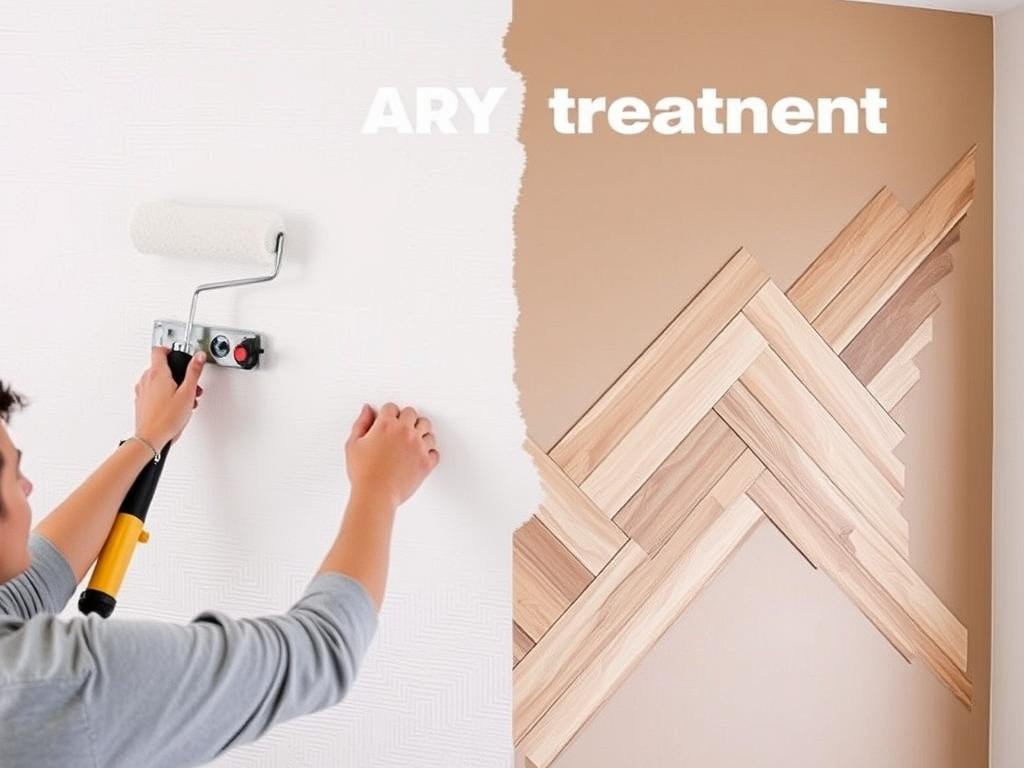
DIY wall treatments create high-end looks with basic materials and tools
Textured Wall Treatments
Create designer-look walls with techniques like color washing, lime washing, or simple applied textures using joint compound. These methods transform flat walls into rich, dimensional surfaces at a fraction of the cost of specialty finishes or wallpaper.
Furniture Transformations
Basic furniture pieces – whether new budget items or thrifted finds – can be completely transformed with paint, new hardware, or creative upholstery. Look for solid construction rather than perfect appearance when selecting pieces to makeover.
Custom Art and Decor
Create your own wall art with simple techniques like abstract painting, framed textile pieces, or mounted natural elements. These personal creations often become the most meaningful elements in a room while saving hundreds on purchased art.
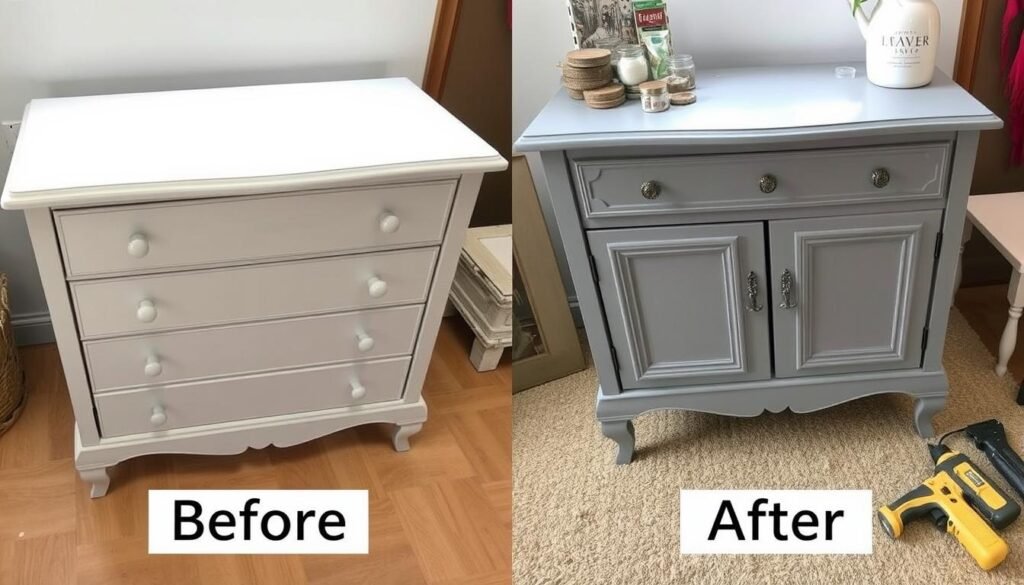
Furniture upcycling creates custom pieces that reflect personal style while saving money
Tech Tools for Budget Design
Technology is making budget design more accessible than ever in 2026. These digital tools help you plan, visualize, and execute your design ideas with confidence.
Free Space Planning Apps
Apps that allow you to create accurate floor plans and experiment with furniture arrangements help avoid costly mistakes. Look for options that let you input exact room dimensions and try different layouts before moving any actual furniture.
AR Visualization Tools
Augmented reality apps that let you virtually place furniture or try paint colors in your actual space take the guesswork out of design decisions. These tools help ensure that purchases will work in your space before you commit.
Budget Tracking Design Software
Specialized apps help track your design budget, compare pricing across retailers, and alert you to sales on items you’ve saved. These tools prevent overspending and help you allocate resources to areas with the most impact.
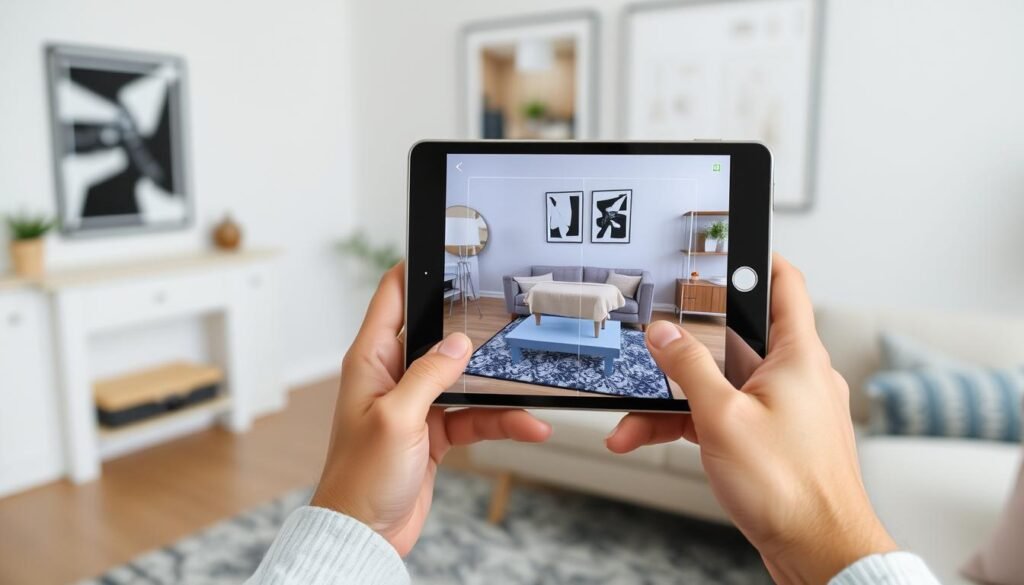
AR apps help visualize how furniture will look in your space before purchasing
Creating Your Personal Budget Design Plan
Budget interior design in 2026 isn’t about following a formula – it’s about creating a thoughtful approach that reflects your priorities, lifestyle, and personal aesthetic. The most successful budget spaces are those that evolve gradually, with each addition or change made with intention rather than impulse.
Remember that truly great design isn’t about how much you spend, but about expressing your unique perspective and creating spaces that support the way you actually live. By focusing on quality over quantity, embracing creativity, and making thoughtful choices, your budget-conscious home can become more personal, functional, and beautiful than any cookie-cutter luxury space.
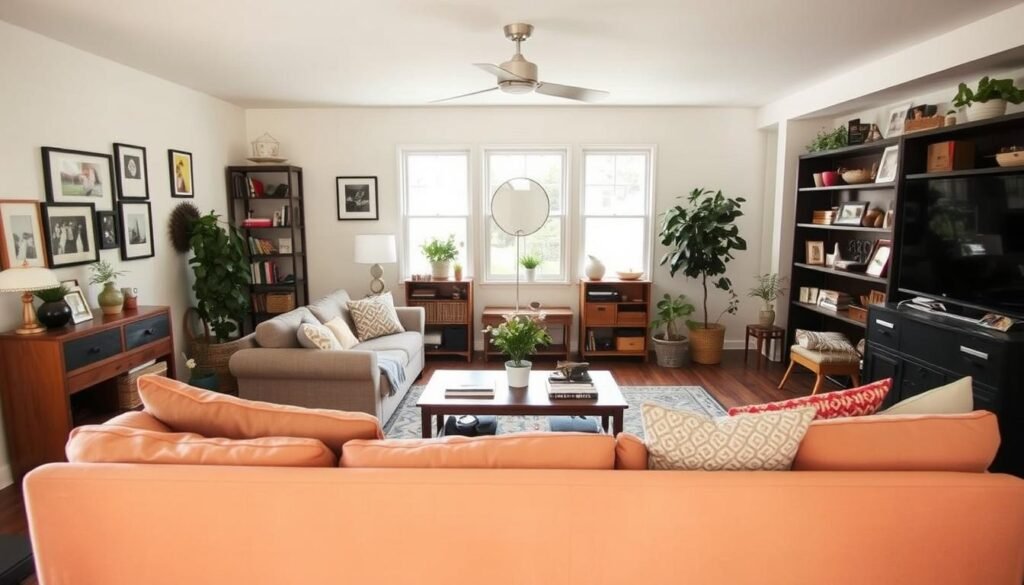
Thoughtful budget design creates spaces that are both beautiful and personally meaningful
Ready to Transform Your Space?
Download our free “2026 Budget Design Planner” with worksheets, checklists, and resources to help you create a personalized roadmap for your affordable home transformation.