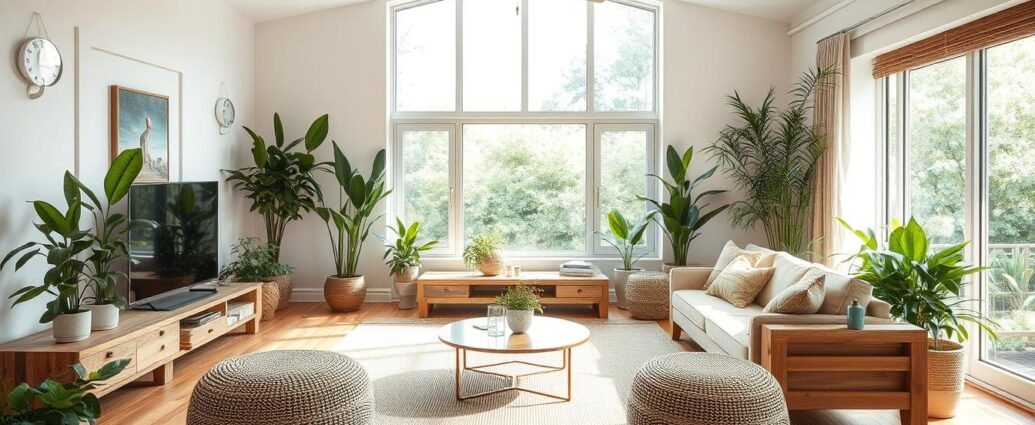
The way we design our homes isn’t just about aesthetics anymore—it’s becoming a powerful statement about our values and relationship with the planet. Sustainable interior design merges beauty with responsibility, creating spaces that nurture both our wellbeing and the environment. Whether you’re renovating your entire home or simply refreshing a room, incorporating eco-friendly practices can make a significant difference. We’ll show you how to create a stylish, sustainable home that doesn’t compromise on comfort or personality!
Why Sustainable Interior Design Matters
Sustainable interior design isn’t just a passing trend—it’s a response to our growing awareness of environmental challenges. By making mindful choices about the materials and products we bring into our homes, we can reduce our ecological footprint while creating healthier living spaces.
Environmental Impact
The building and interior design industries account for nearly 40% of global carbon emissions. By choosing sustainable materials and energy-efficient solutions, you’re helping reduce resource consumption and waste generation.
Health Benefits
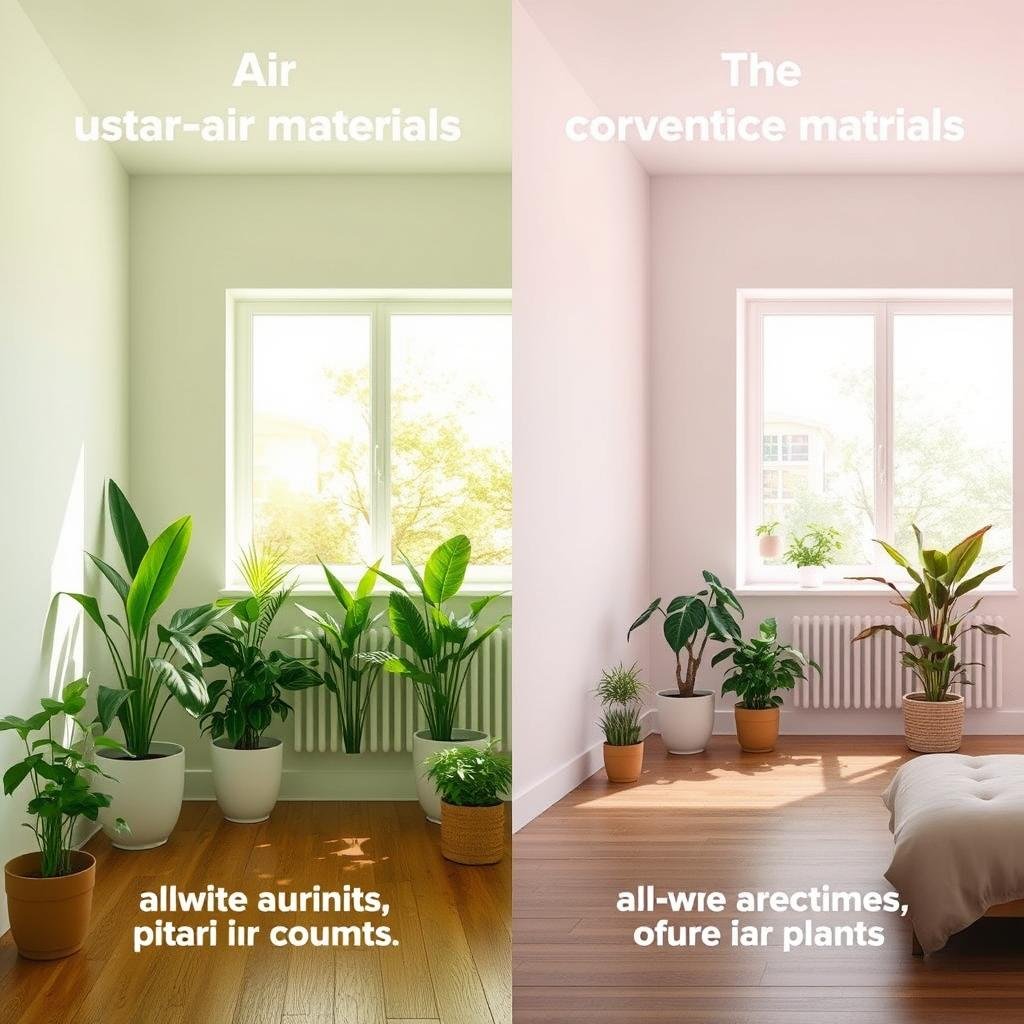
Many conventional building materials and furnishings contain volatile organic compounds (VOCs) and other toxins that can affect indoor air quality and your health. Sustainable alternatives promote cleaner air and a healthier living environment.
Economic Advantages
While some sustainable options may have higher upfront costs, they often prove more economical in the long run. Energy-efficient appliances reduce utility bills, while durable, quality materials need less frequent replacement.
When we design with sustainability in mind, we’re not just creating beautiful spaces—we’re making a positive impact that extends far beyond our homes. Ready to get started? Let’s explore the key principles that can guide your sustainable design journey!
Choosing Sustainable Materials: The Foundation of Eco-Friendly Design
The materials you select form the foundation of your sustainable interior. By prioritizing renewable, recycled, and non-toxic options, you can dramatically reduce your environmental impact while creating a healthier home.
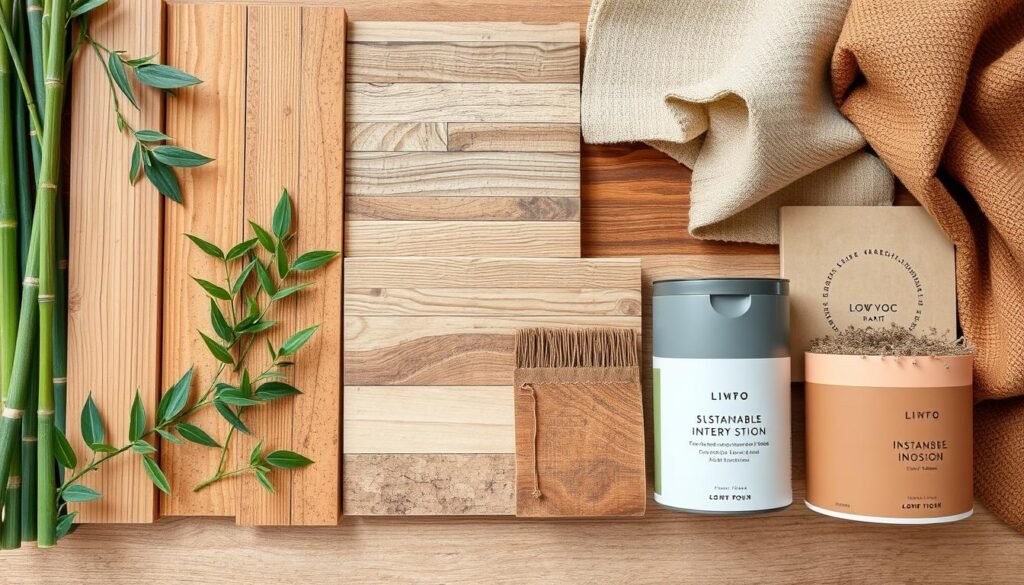
Renewable Materials
These materials come from sources that can be replenished at a rate equal to or faster than consumption. They’re a smart choice for reducing pressure on finite resources.
Bamboo
One of nature’s most remarkable renewable resources, bamboo grows incredibly fast—up to three feet in a single day! It’s strong, durable, and versatile, making it perfect for flooring, furniture, and decorative elements. Unlike hardwood trees that can take decades to mature, bamboo can be harvested every 3-5 years without killing the plant.
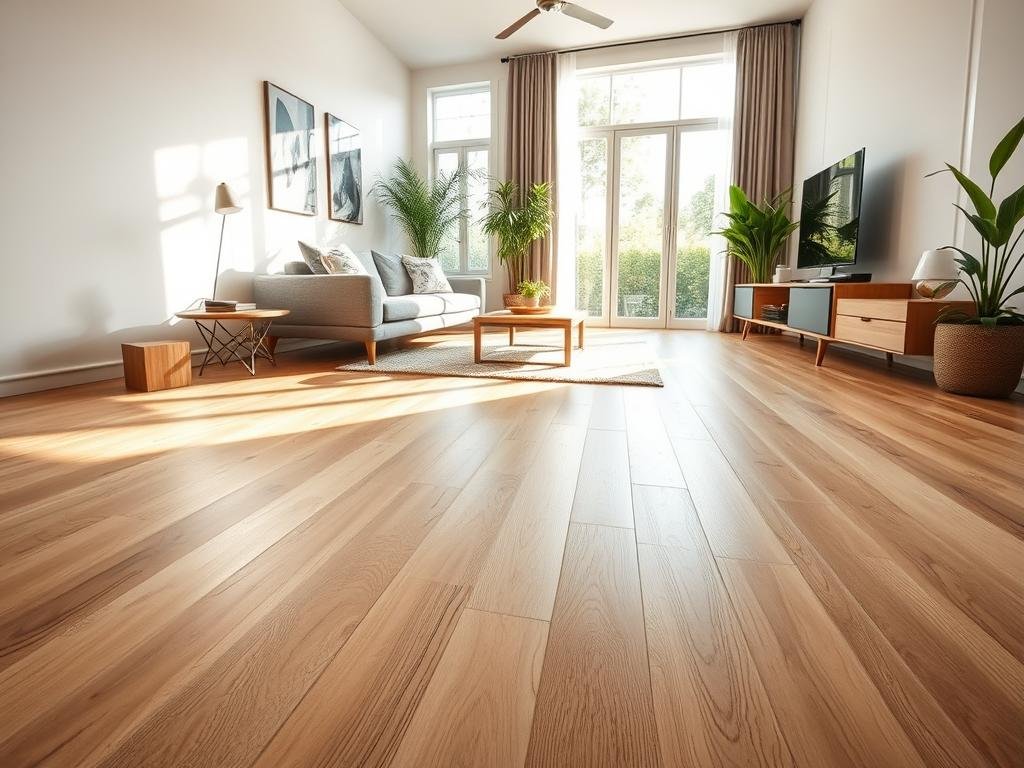
Cork
Harvested from the bark of cork oak trees without harming the tree itself, cork is naturally antimicrobial, fire-resistant, and provides excellent insulation. It’s wonderfully springy underfoot, making it comfortable for flooring, and its unique texture adds visual interest to walls and furniture.
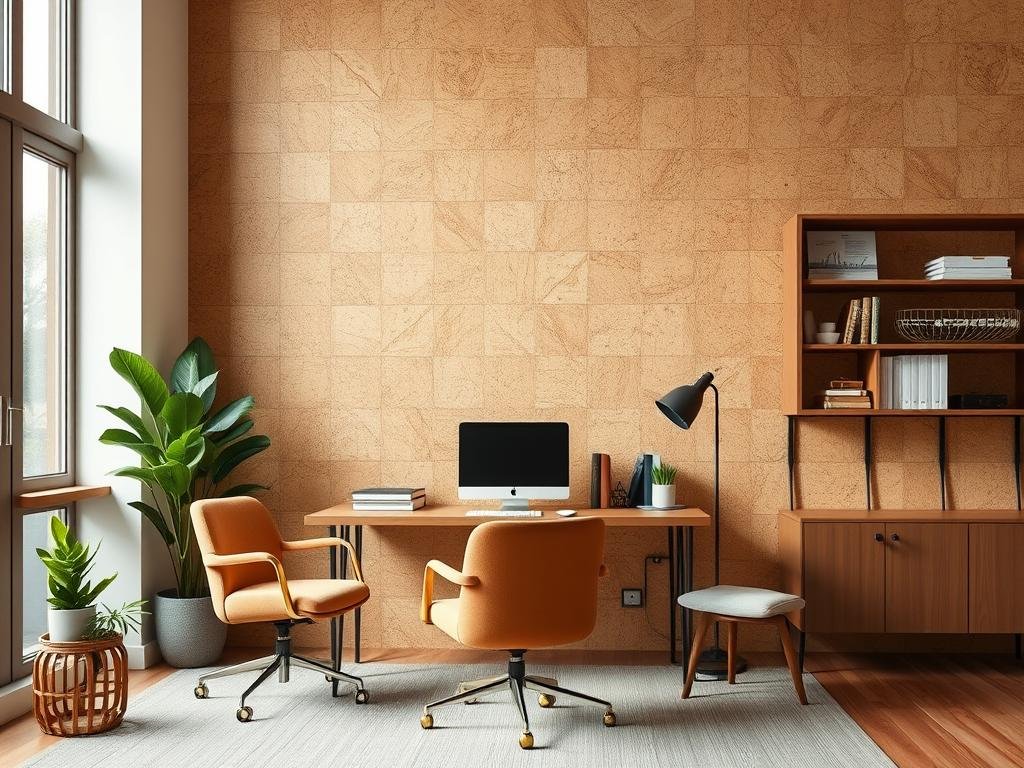
Reclaimed and Recycled Materials
Giving materials a second life reduces waste and often adds character and history to your space that new materials simply can’t match.
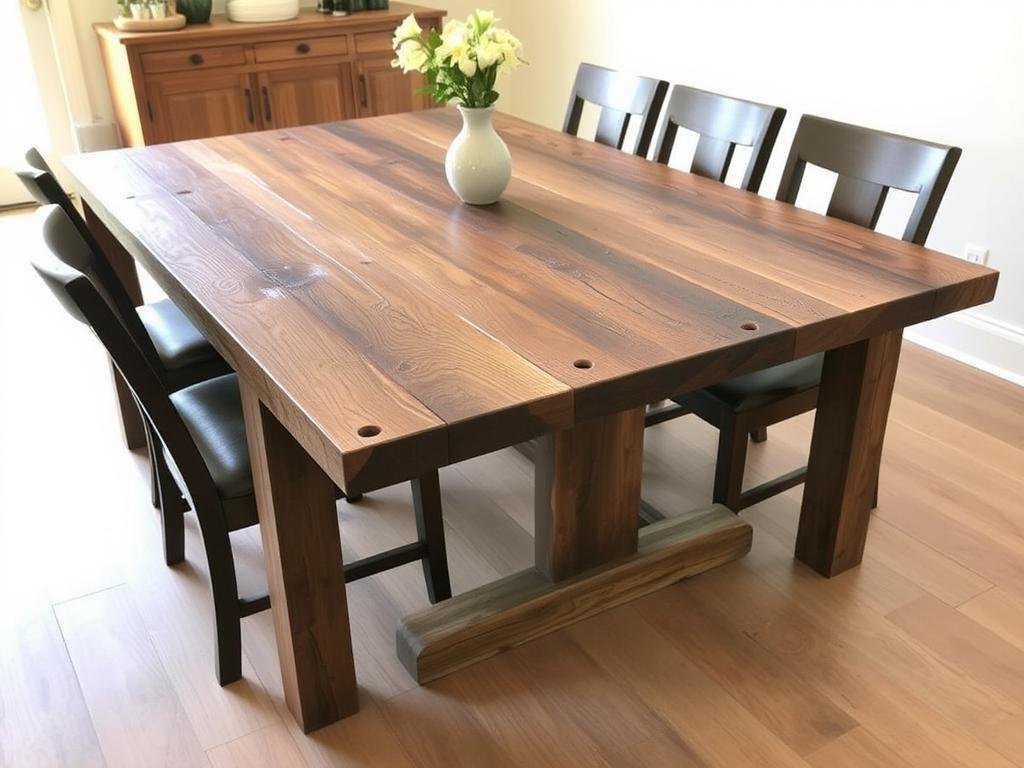
Reclaimed Wood
Salvaged from old barns, factories, or demolished buildings, reclaimed wood carries a rich history in every grain and imperfection. Each piece is unique, adding character to floors, furniture, or accent walls. Using reclaimed wood prevents more trees from being cut down and keeps valuable materials out of landfills.
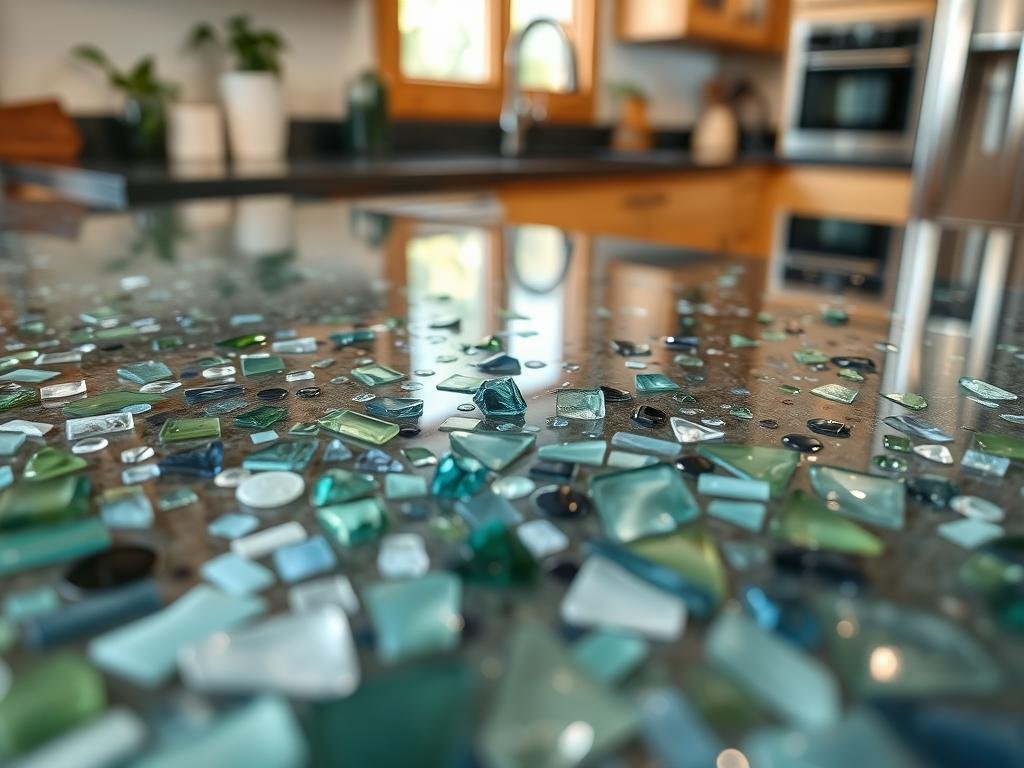
Recycled Glass and Metal
Countertops, backsplashes, and decorative elements made from recycled glass or metal add sparkle and interest while diverting materials from the waste stream. These materials can be melted down and reformed multiple times without losing quality, making them excellent sustainable choices.
Natural Fibers
For textiles and soft furnishings, natural fibers offer breathability, comfort, and biodegradability that synthetic alternatives can’t match.
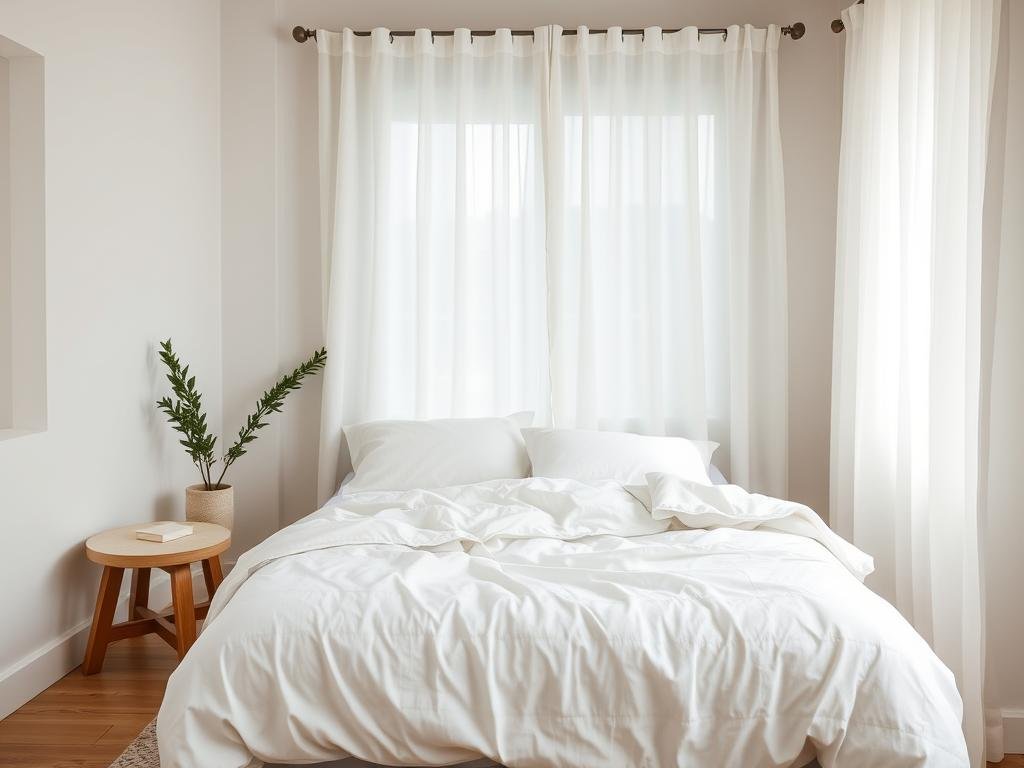
Organic Cotton
Grown without harmful pesticides or synthetic fertilizers, organic cotton is better for the environment, farmers, and your health. It’s perfect for bedding, upholstery, and curtains, offering softness and breathability while reducing chemical exposure in your home.
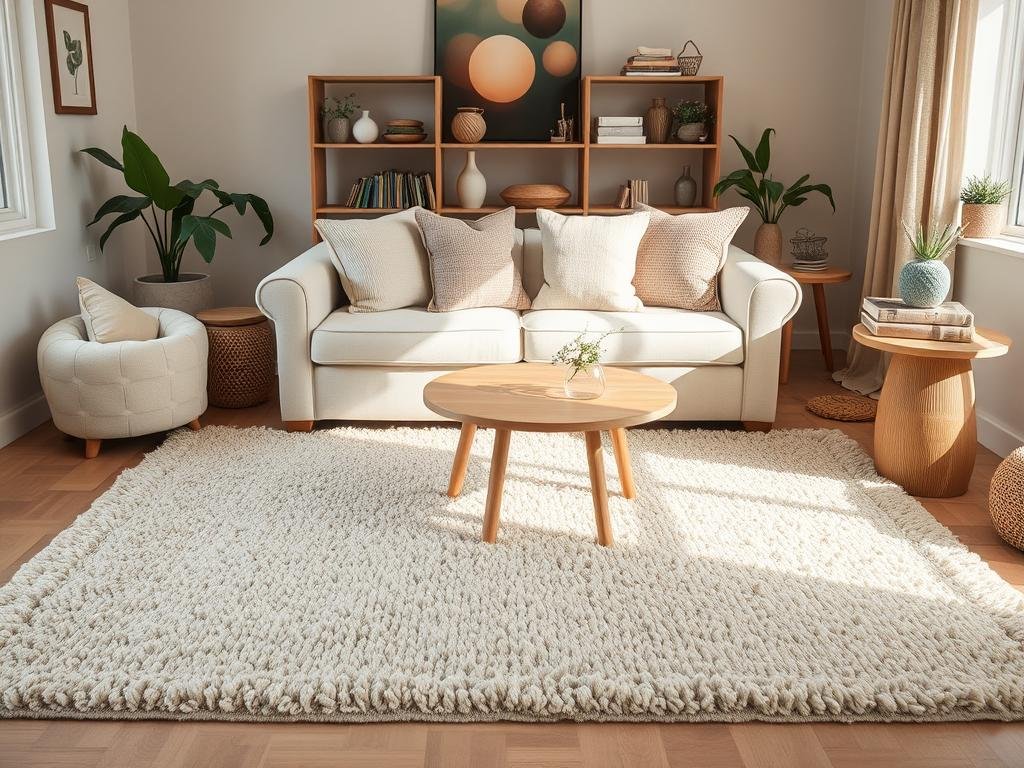
Wool and Hemp
Wool is naturally flame-resistant, moisture-wicking, and durable, making it ideal for rugs and upholstery. Hemp grows quickly without pesticides and produces strong, long-lasting fibers that become softer with use—perfect for durable textiles that stand the test of time.
Not sure which sustainable materials are right for your space?
We’ve created a comprehensive guide to eco-friendly materials with details on durability, maintenance, and best applications for each type.
Non-Toxic Finishes for Healthier Indoor Air
The paints, stains, and sealants you choose have a significant impact on your indoor air quality. Conventional products often contain volatile organic compounds (VOCs) that can off-gas into your home for years, contributing to respiratory issues and other health concerns.
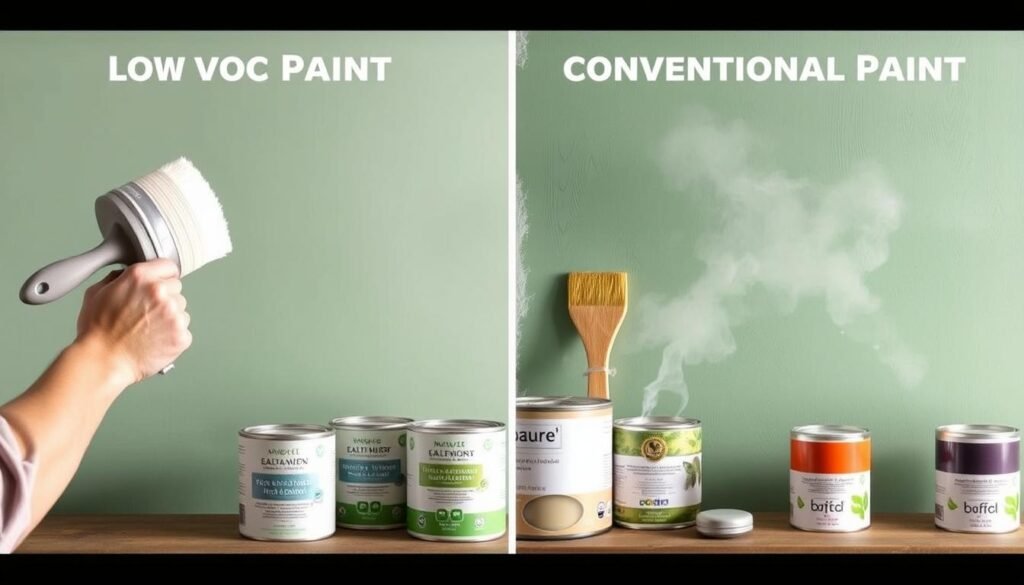
Low and Zero-VOC Paints
These paints contain minimal or no volatile organic compounds, dramatically improving your indoor air quality. Many major paint brands now offer low-VOC options that perform just as well as conventional paints, with excellent coverage and durability. Look for certifications like Green Seal or GREENGUARD to ensure the product meets strict environmental and health standards.
Natural Paints and Finishes
For the most eco-conscious approach, consider paints made from natural ingredients like clay, milk protein (casein), or plant oils. These paints are biodegradable, contain zero toxins, and often create beautiful, unique finishes with subtle texture and depth that mass-produced paints can’t replicate.
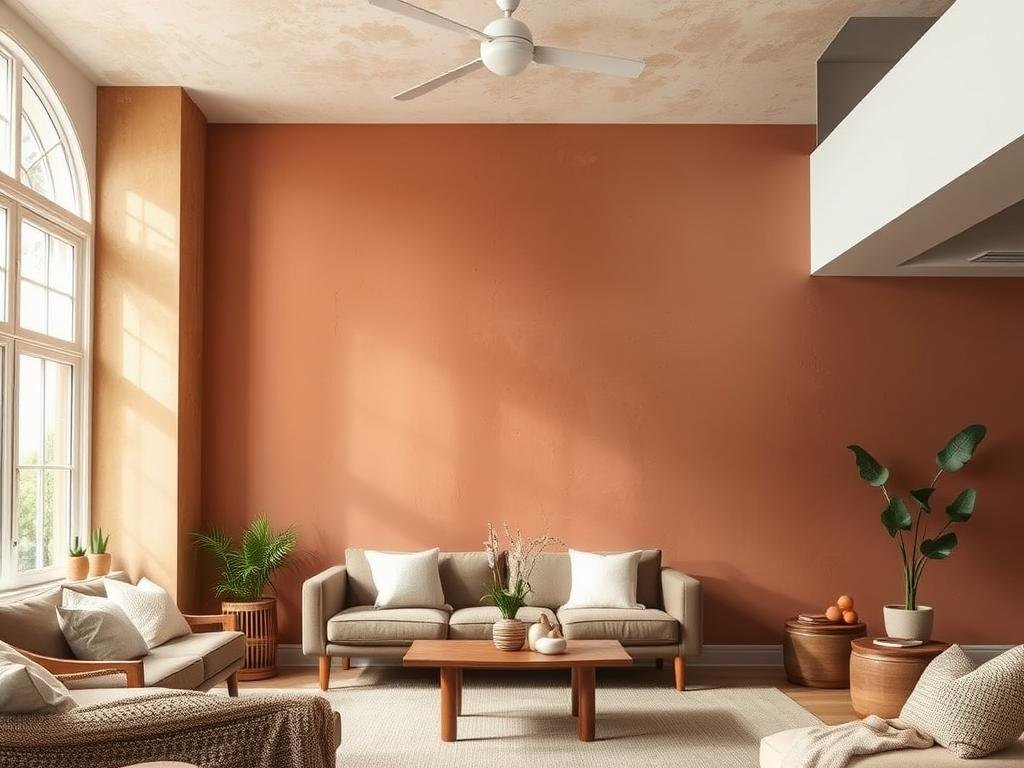
Clay and Lime Paints
These mineral-based paints create breathable surfaces that help regulate humidity and prevent mold growth. They offer beautiful matte finishes with subtle texture and depth, adding character to walls while purifying the air instead of polluting it.
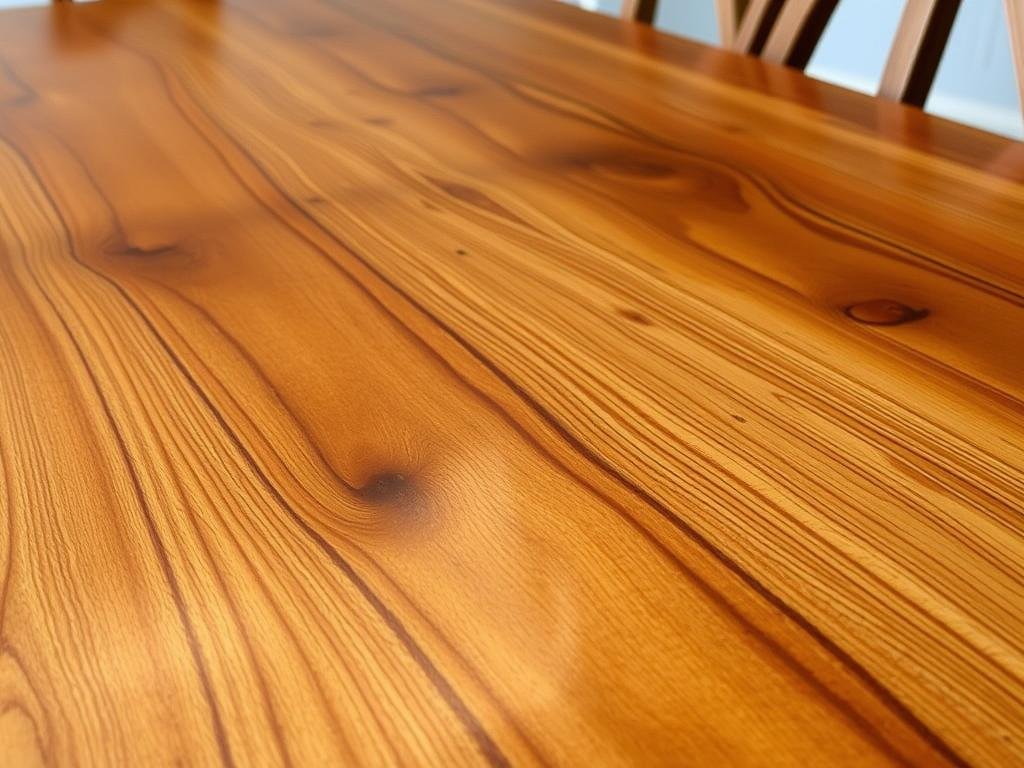
Plant-Based Oils and Waxes
For wood surfaces, plant-based oils and waxes like linseed, tung, or beeswax provide protection without the toxic solvents found in conventional polyurethanes. They enhance the natural beauty of the wood grain while allowing the material to breathe.
Pro Tip: When using any paint or finish, even eco-friendly ones, ensure good ventilation during application. Open windows, use fans, and give the space time to air out before full occupation.
Sustainable Furniture and Decor: Style with a Conscience
Furniture represents one of the largest investments in your interior design—both financially and in terms of environmental impact. Making thoughtful choices about these pieces can significantly reduce your ecological footprint while creating a home that reflects your personal style.
Quality Over Quantity
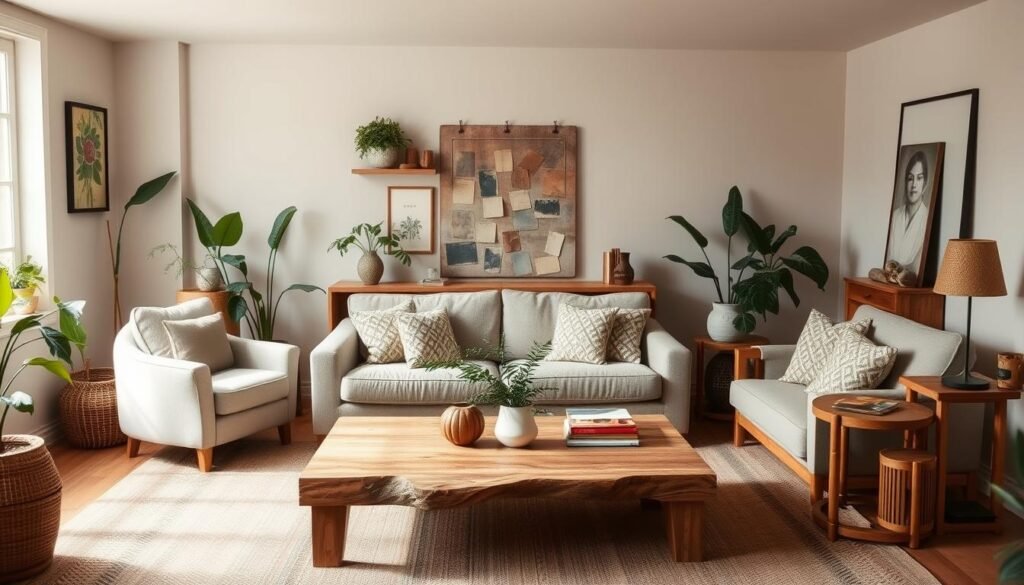
Perhaps the most sustainable approach to furniture is simply buying less but better. Investing in well-made pieces that will last for decades (or even generations) reduces the resources used for manufacturing and keeps furniture out of landfills. Look for solid construction, timeless design, and materials that age beautifully.
Timeless Design
Choose furniture with classic lines and proportions that won’t quickly look dated. These pieces can evolve with your style through simple updates like new hardware or upholstery, eliminating the need for replacement as trends change.
Multifunctional Pieces
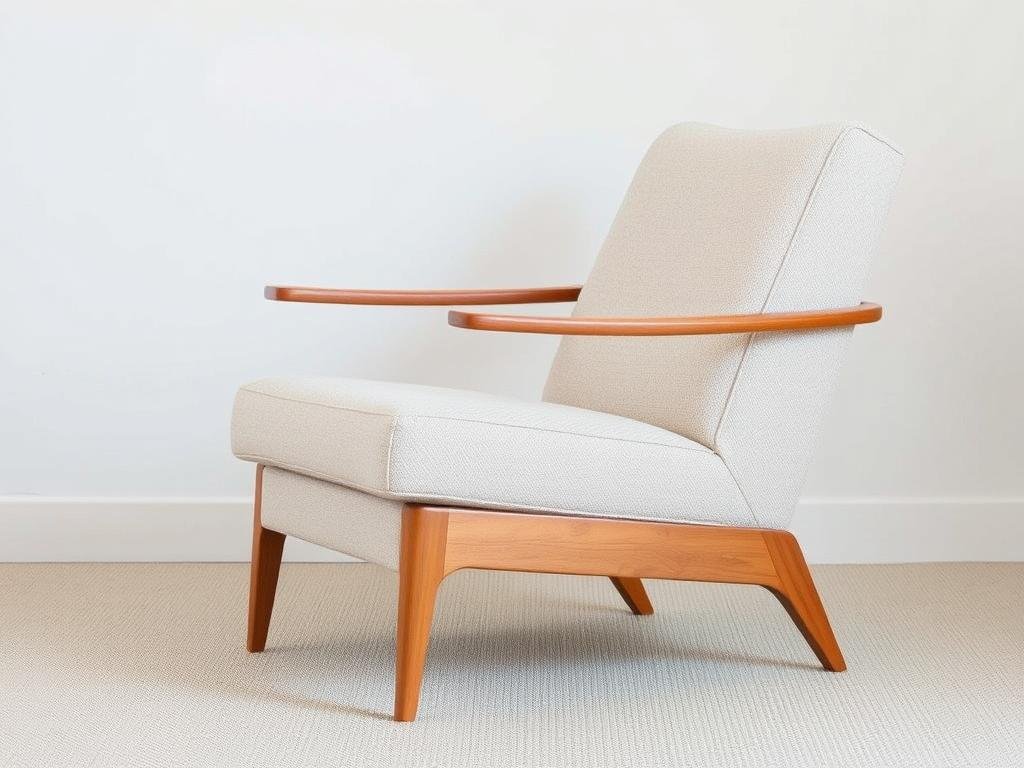
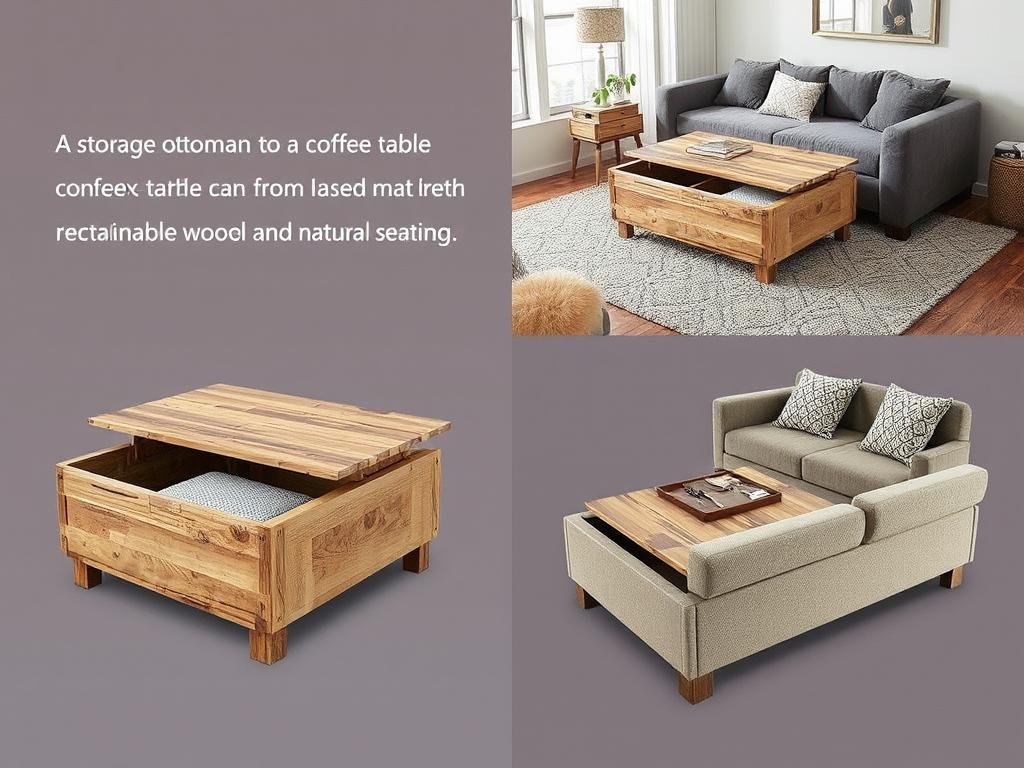
Furniture that serves multiple purposes allows you to own fewer items overall. Consider storage ottomans, extendable dining tables, sofa beds, or nesting tables that can adapt to different needs while taking up less space.
Second-Hand and Vintage Finds
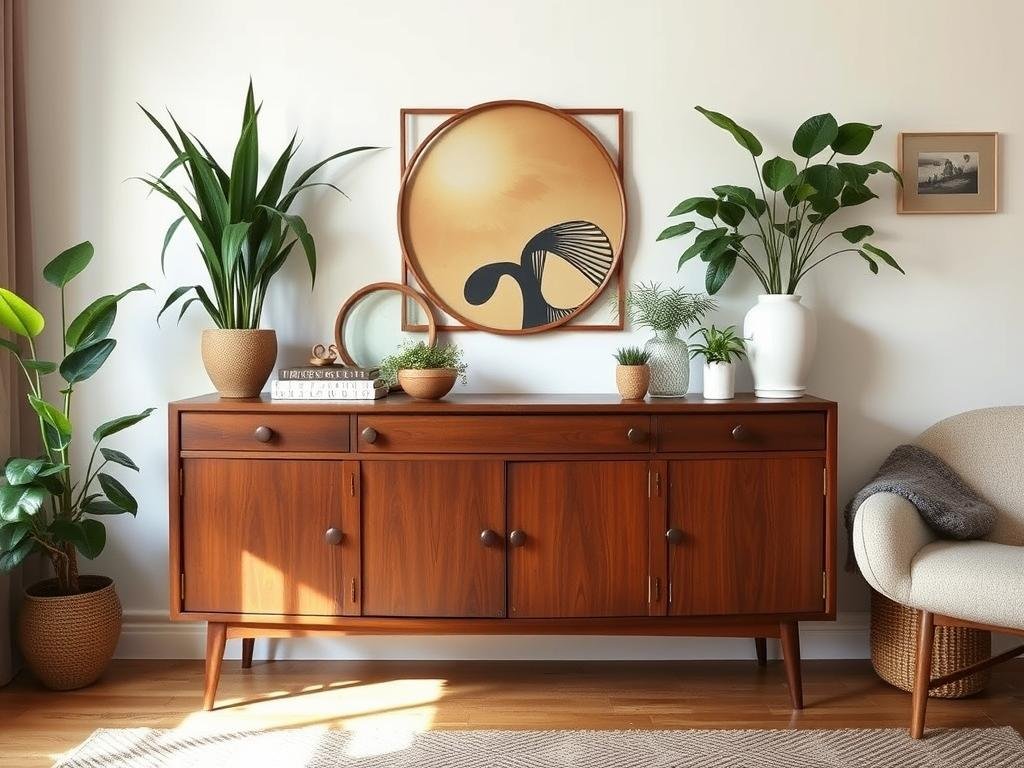
Giving existing furniture a new home is perhaps the most sustainable choice of all. Vintage and second-hand pieces often offer better quality and craftsmanship than new items at similar price points, while adding unique character to your space.
Where to Find Quality Second-Hand Furniture
- Estate sales and auctions
- Consignment shops and antique stores
- Online marketplaces like Facebook Marketplace or Craigslist
- Specialty vintage dealers (for investment pieces)
- Thrift stores and charity shops
Upcycling Basics
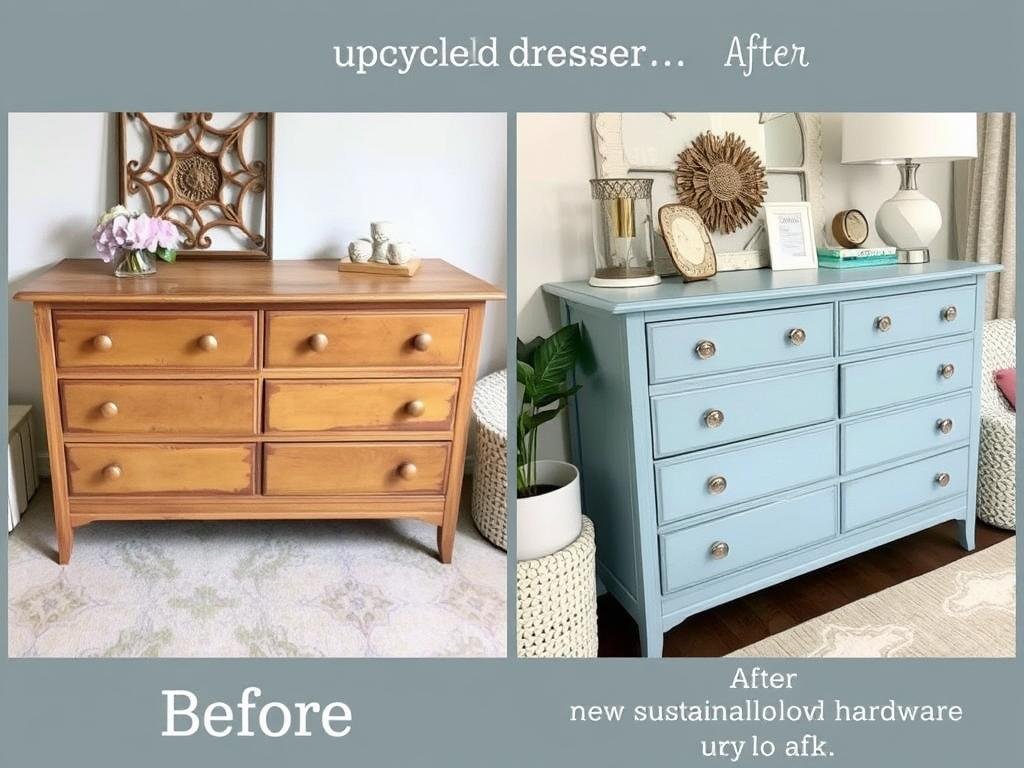
With a little creativity, outdated pieces can be transformed into stunning focal points. Simple updates like new hardware, eco-friendly paint, or fresh upholstery in sustainable fabrics can give old furniture new life while keeping it out of landfills.
Ethical and Sustainable Brands
When buying new, seek out companies committed to sustainable practices. Look for certifications like FSC (Forest Stewardship Council) for wood products, fair trade certifications for ethical labor practices, and transparency about materials and manufacturing processes.
What to Look For in Sustainable Furniture Brands:
- Use of certified sustainable materials (FSC wood, organic textiles, etc.)
- Local manufacturing to reduce transportation emissions
- Fair labor practices and transparency about supply chain
- Durable construction and repair/take-back programs
- Non-toxic finishes and glues
Energy and Resource Efficiency: Smart Solutions for Sustainable Living
How your home uses energy and resources has a significant impact on both the environment and your utility bills. Incorporating energy-efficient elements into your interior design can reduce your carbon footprint while creating a more comfortable, economical living space.
Lighting Solutions
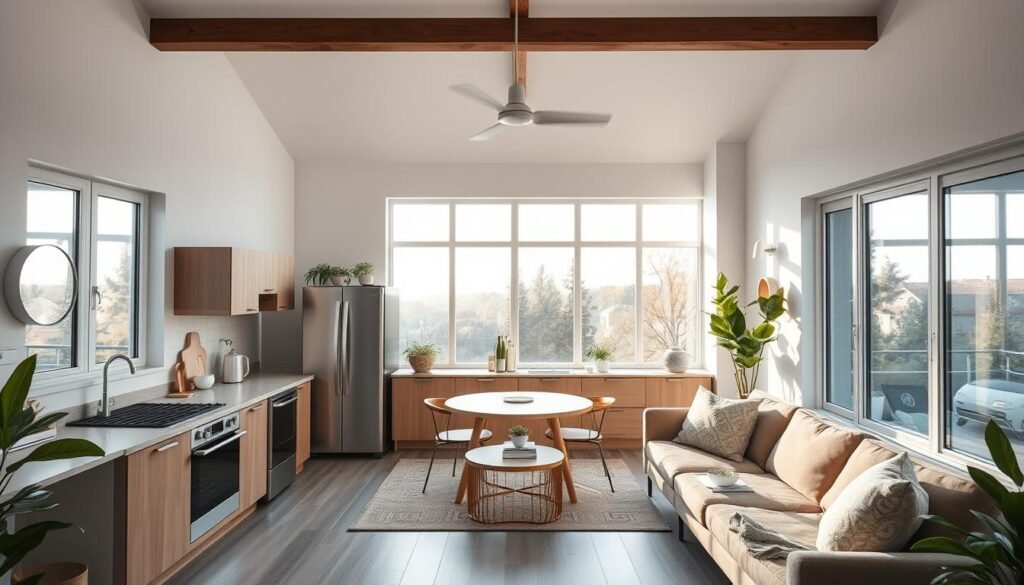
Lighting accounts for a significant portion of home energy use. Thoughtful lighting design combines energy efficiency with beautiful ambiance to create spaces that feel welcoming while minimizing electricity consumption.
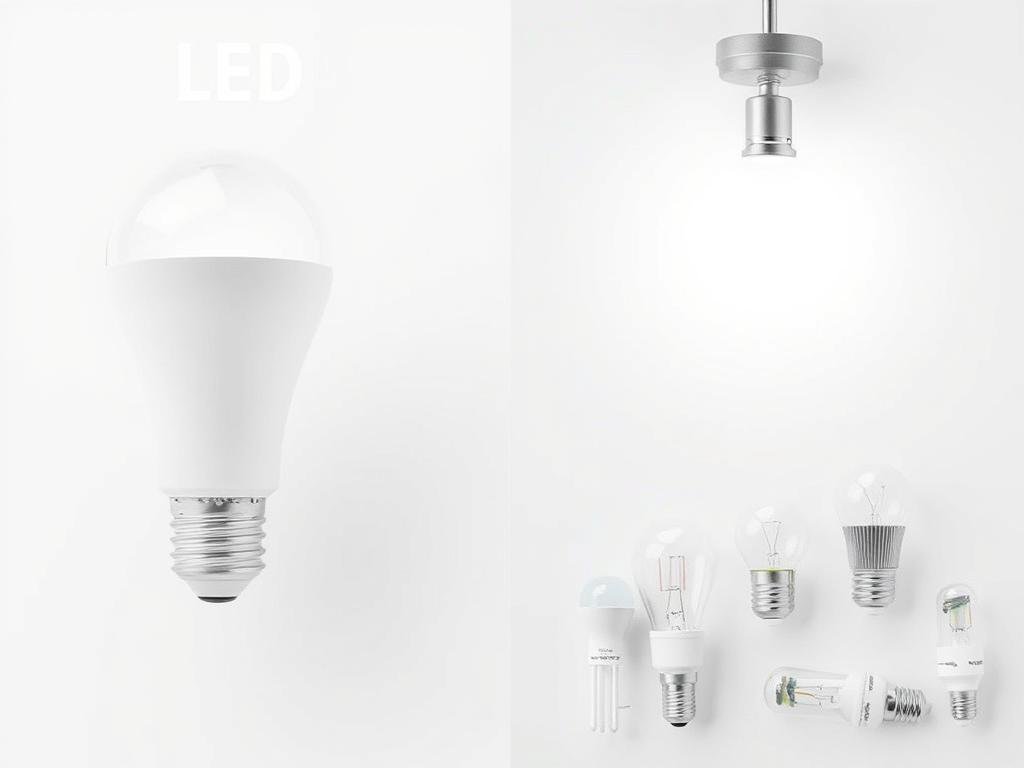
LED Lighting
LED bulbs use up to 90% less energy than incandescent bulbs and last up to 25 times longer. They’re available in a wide range of color temperatures and styles, from warm ambient lighting to task-focused options, making them suitable for every room and purpose.
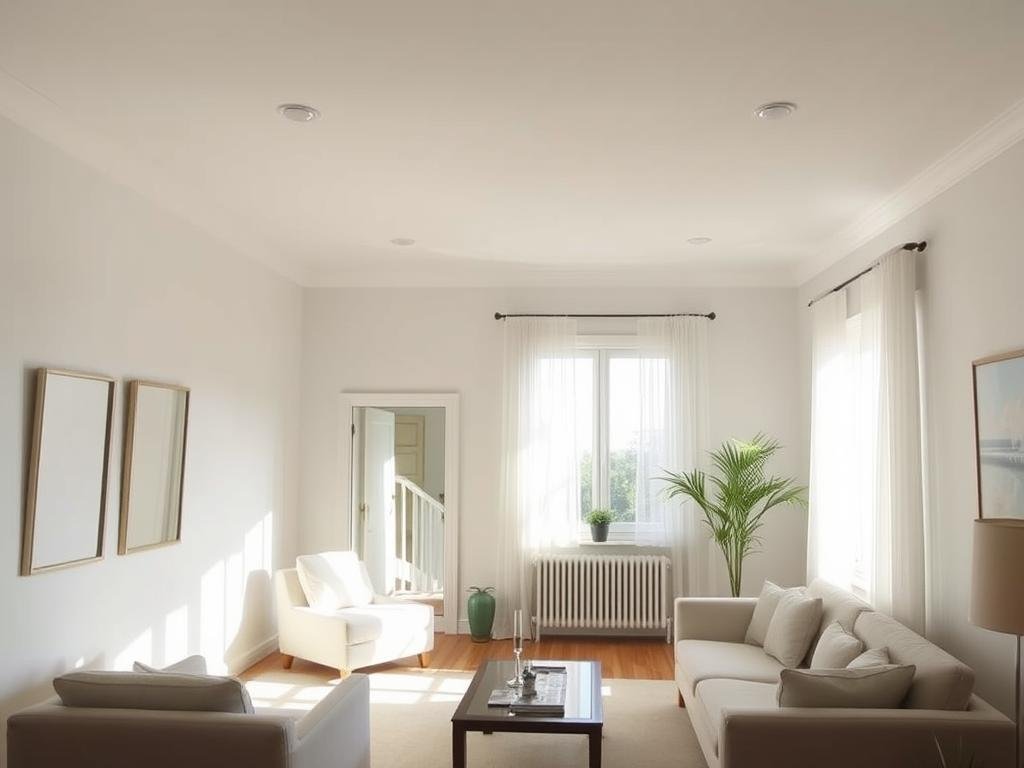
Maximizing Natural Light
The most sustainable light source is free—sunlight! Design your space to maximize natural light with strategic window treatments, light-reflecting colors, and thoughtful furniture placement that doesn’t block windows. Mirrors placed opposite windows can bounce light deeper into rooms.
Water Conservation
Sustainable interior design extends to how we use water in our homes. Simple upgrades can dramatically reduce water consumption without sacrificing function or comfort.
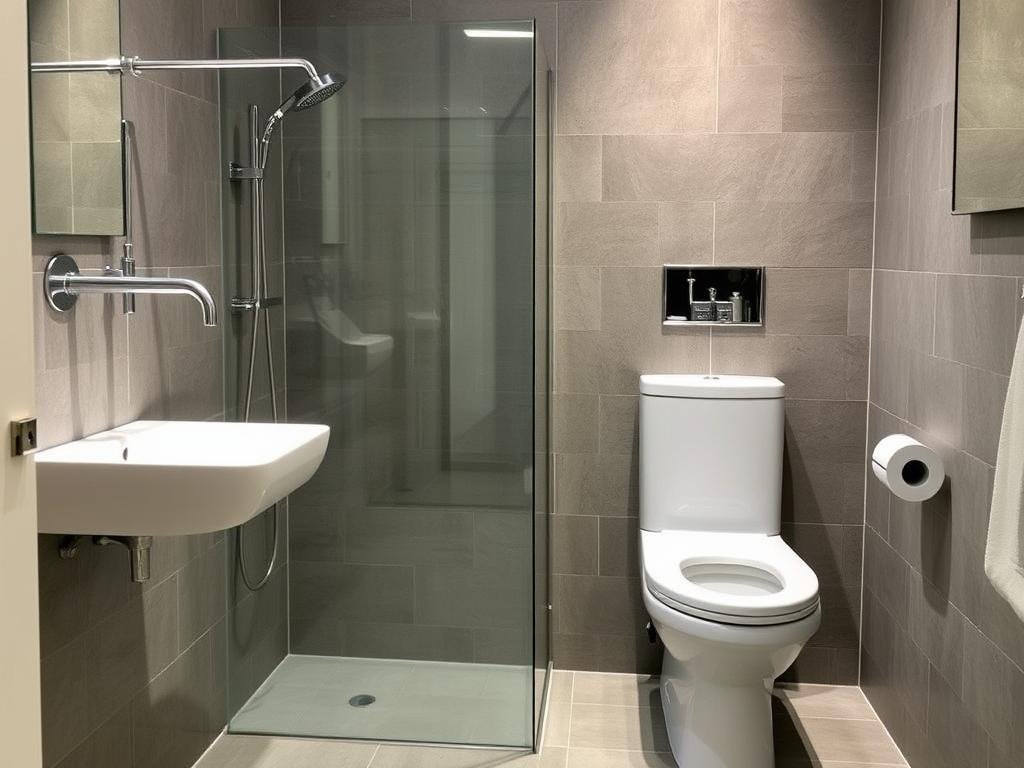
Water-Efficient Fixtures
Low-flow faucets, showerheads, and dual-flush toilets can reduce water usage by 30-50% compared to conventional fixtures. Modern designs offer excellent performance while conserving this precious resource—you’ll likely not even notice the difference except in your water bill!
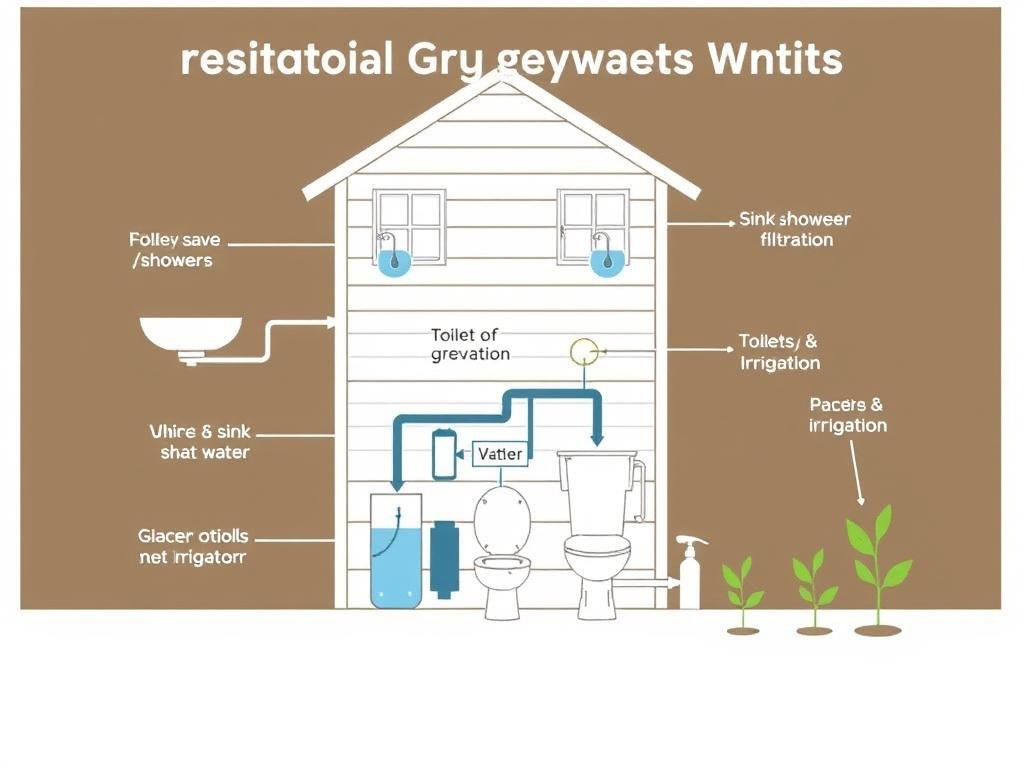
Greywater Systems
For more advanced sustainability, consider systems that capture and reuse “greywater” from sinks and showers for toilet flushing or garden irrigation. These systems can save thousands of gallons of water annually in the average household.
Smart Home Technology
Technology can be a powerful ally in creating a more sustainable home. Smart systems help optimize energy and water usage while adding convenience and comfort to your daily life.
Programmable Thermostats
Smart thermostats learn your schedule and preferences, automatically adjusting temperature settings to reduce energy use when you’re away or sleeping. Some models can even detect when you’re approaching home and prepare a comfortable environment for your arrival.

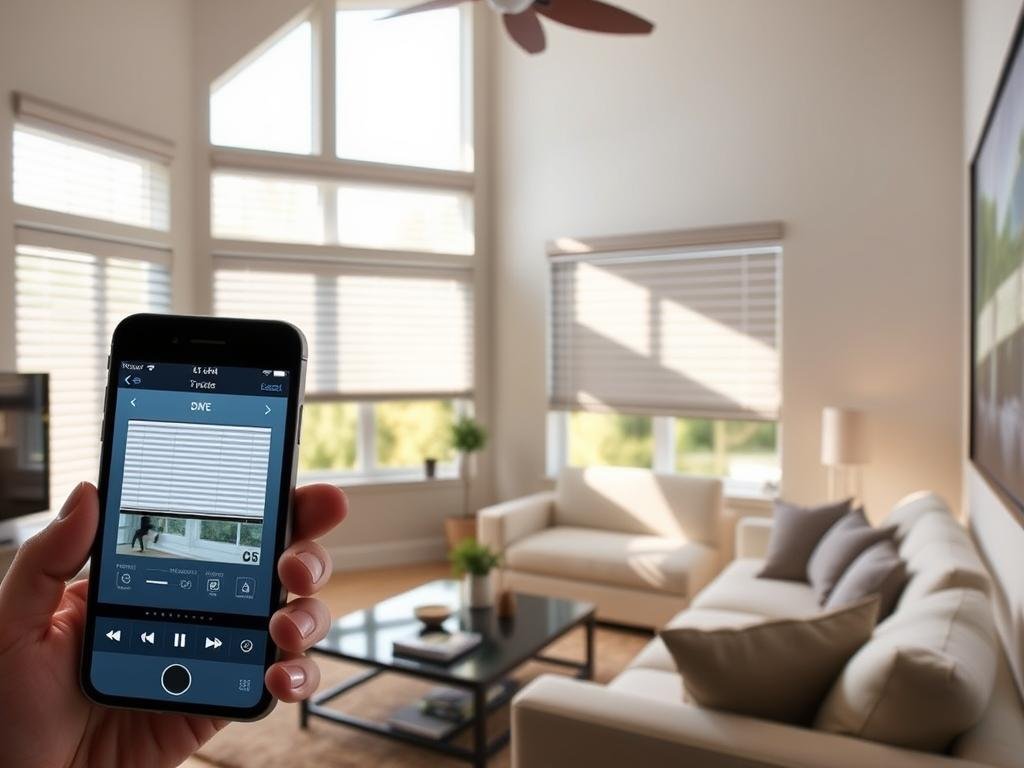
Automated Lighting and Blinds
Systems that automatically adjust lighting and window coverings based on occupancy, time of day, or natural light levels ensure you’re only using energy when needed. These can be particularly effective for managing heat gain and loss through windows.
Ready to make your home more energy-efficient?
Our team can help you identify the most impactful energy-saving upgrades for your specific space and lifestyle.
Indoor Air Quality: Creating a Healthy Living Environment
The air inside our homes can be 2-5 times more polluted than outdoor air, according to the EPA. Sustainable interior design addresses this invisible aspect of our living environment, creating spaces that support health and wellbeing through cleaner air.
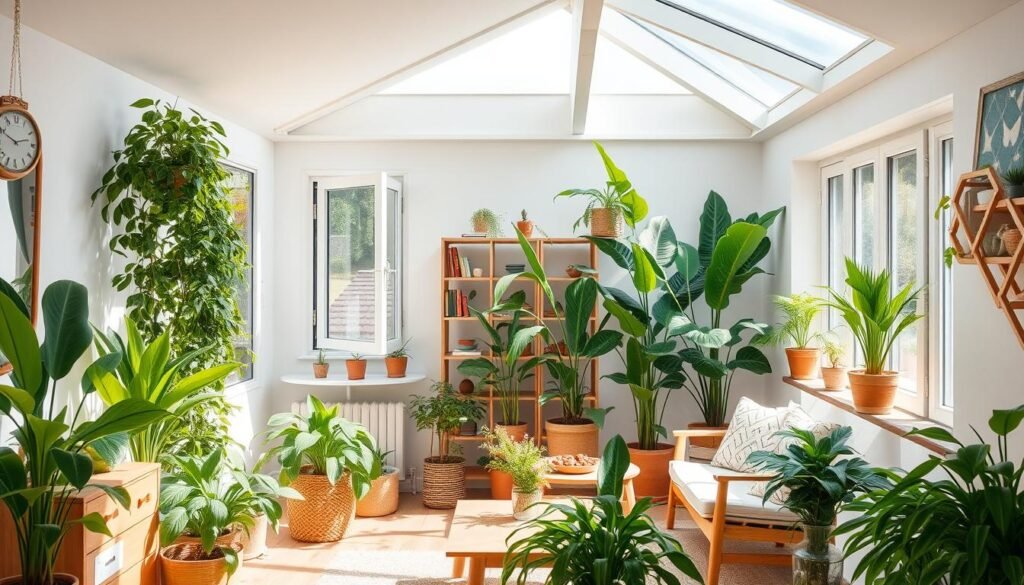
Air-Purifying Plants
Nature’s own air purifiers, certain houseplants can remove toxins from the air while adding life and beauty to your space. Different plants filter different pollutants, so a variety is ideal.
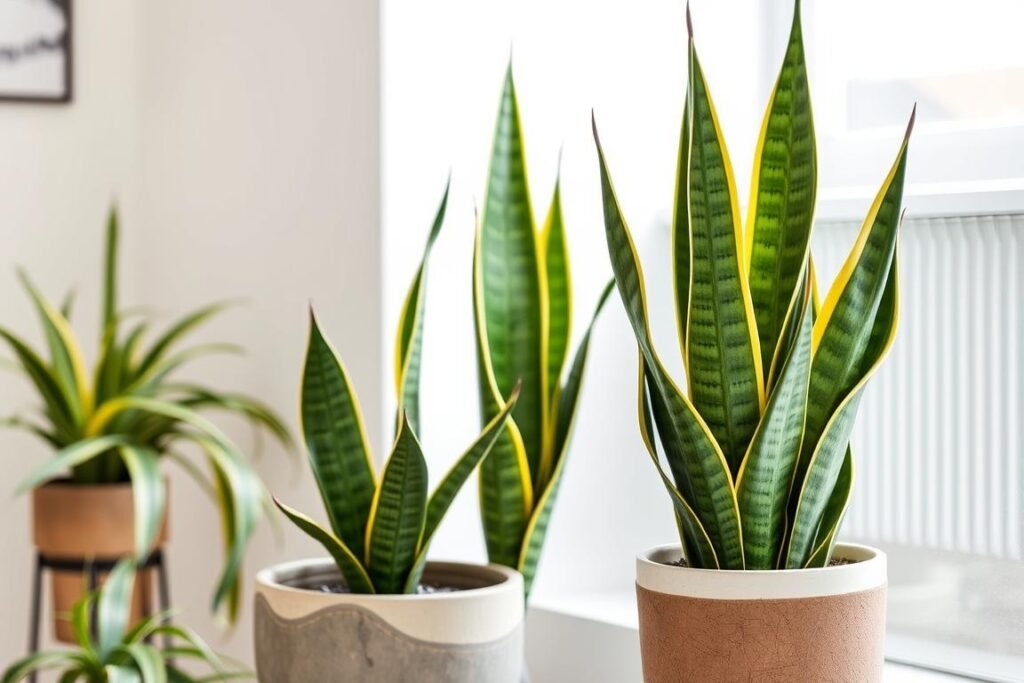
Snake Plant
One of the most resilient houseplants, snake plants filter formaldehyde, benzene, and trichloroethylene from the air. They’re perfect for beginners as they require minimal care and can thrive even in low light conditions.
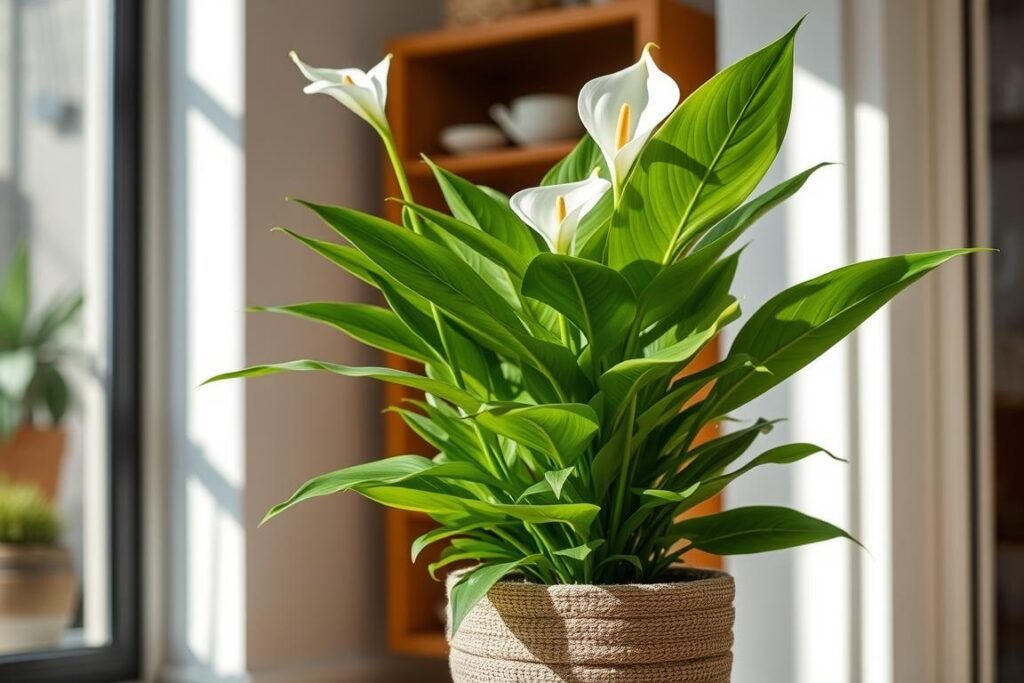
Peace Lily
This elegant flowering plant removes ammonia, benzene, formaldehyde, and trichloroethylene. Its beautiful white blooms add a touch of sophistication to any room, though it does require consistent watering and indirect light.
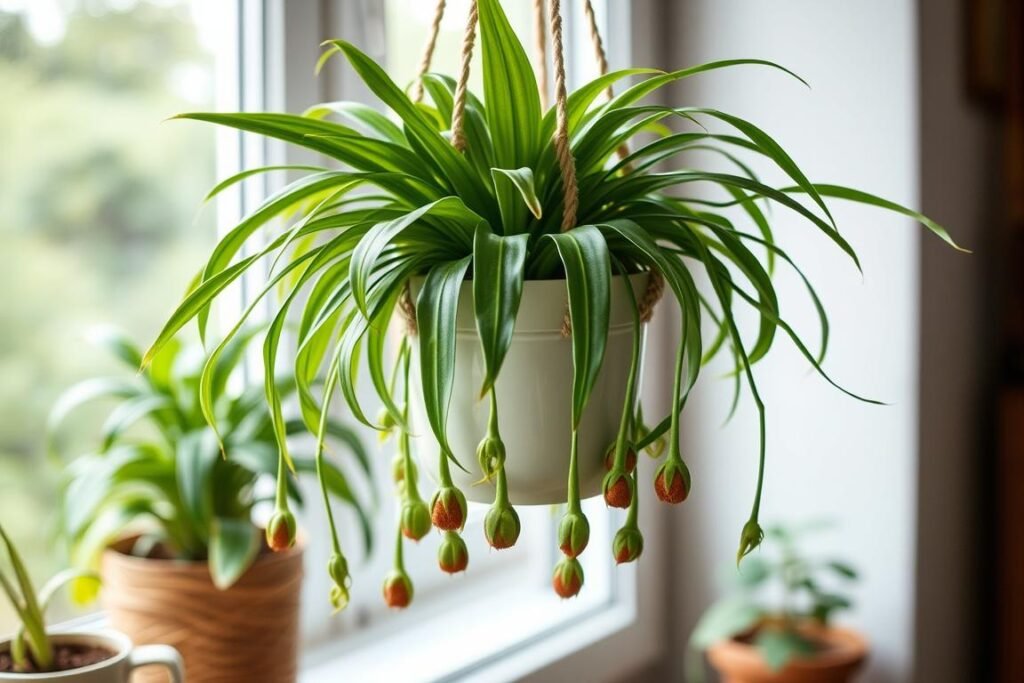
Spider Plant
One of the easiest plants to grow, spider plants remove formaldehyde and xylene. They produce baby plants that can be easily propagated, allowing you to expand your indoor garden without buying more plants.
Natural Ventilation
Proper airflow is essential for maintaining good indoor air quality. Sustainable design incorporates strategies for natural ventilation that reduce the need for energy-intensive mechanical systems.
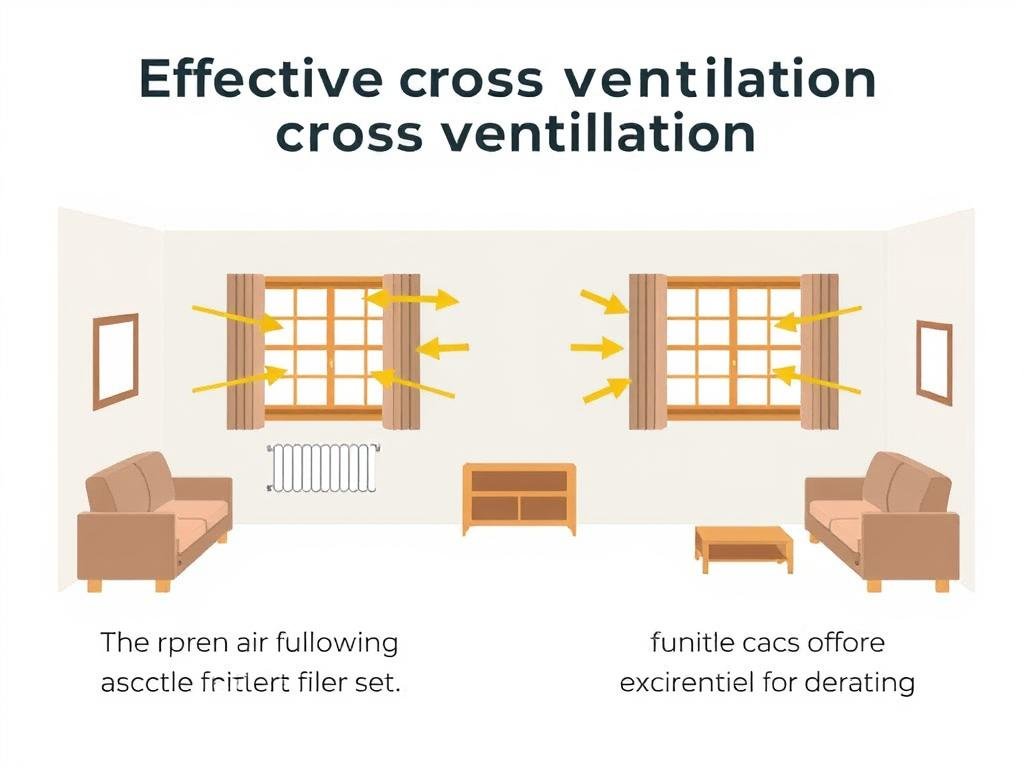
Cross Ventilation
Arranging furniture to allow air to flow freely between windows on opposite sides of a room creates natural cross ventilation. This simple strategy can significantly improve air circulation and reduce the need for fans or air conditioning.
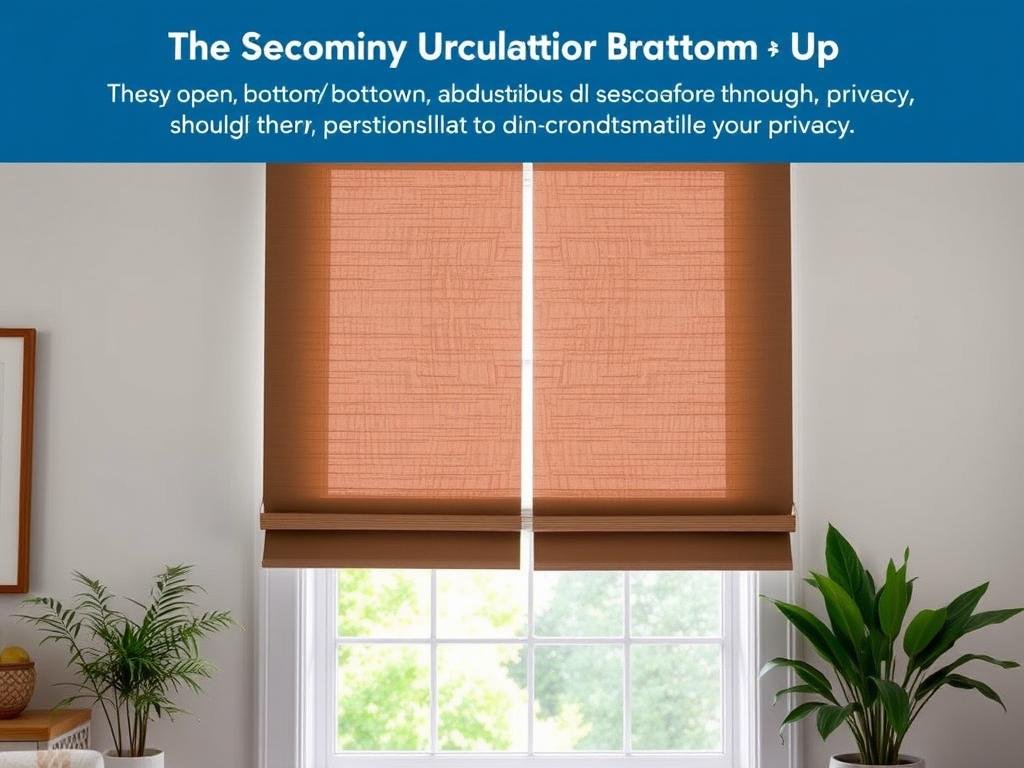
Window Treatments
Choose window coverings that allow for adjustable ventilation while providing privacy and light control. Options like top-down/bottom-up shades let you open windows for fresh air while maintaining privacy.
Non-Toxic Cleaning
Even the most sustainable interior can be compromised by toxic cleaning products. Complete your healthy home approach with natural cleaning solutions that maintain air quality.
DIY All-Purpose Cleaner Recipe:
- 1 part white vinegar
- 1 part water
- Lemon rind
- Rosemary sprigs
Combine in a spray bottle, infuse for a week before using, and store in the refrigerator. This natural cleaner works for most surfaces except marble and granite.
Room-by-Room Guide to Sustainable Interior Design
Each room in your home presents unique opportunities for sustainable design. Let’s explore specific strategies for key spaces that balance functionality, aesthetics, and environmental responsibility.
Living Room
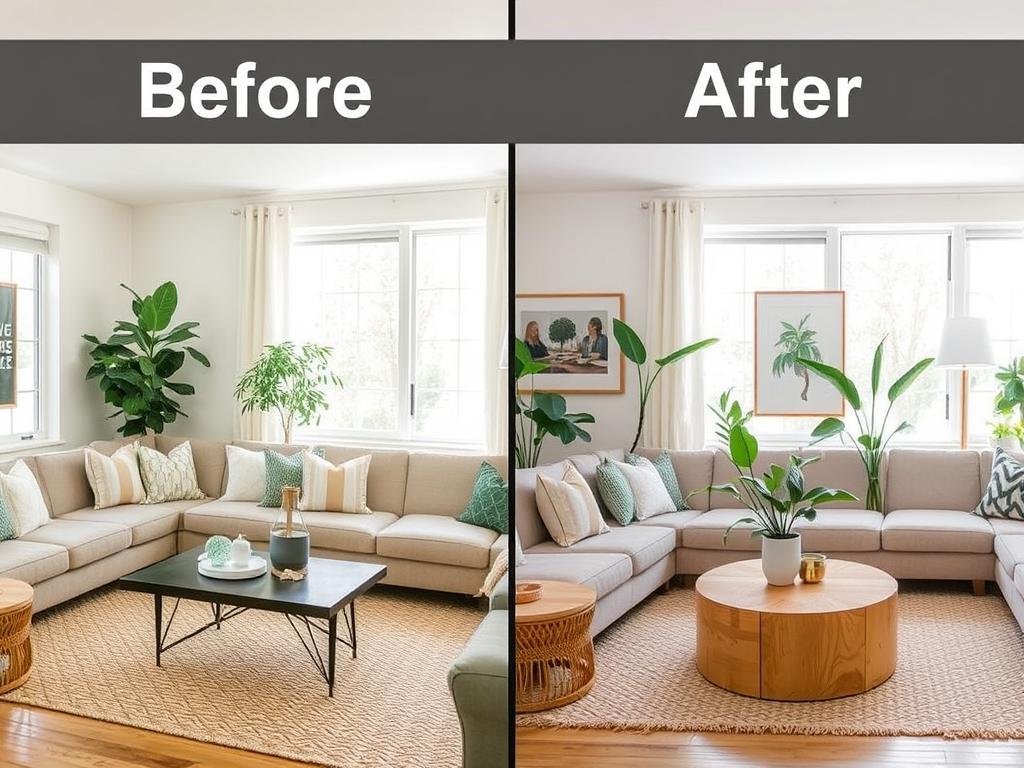
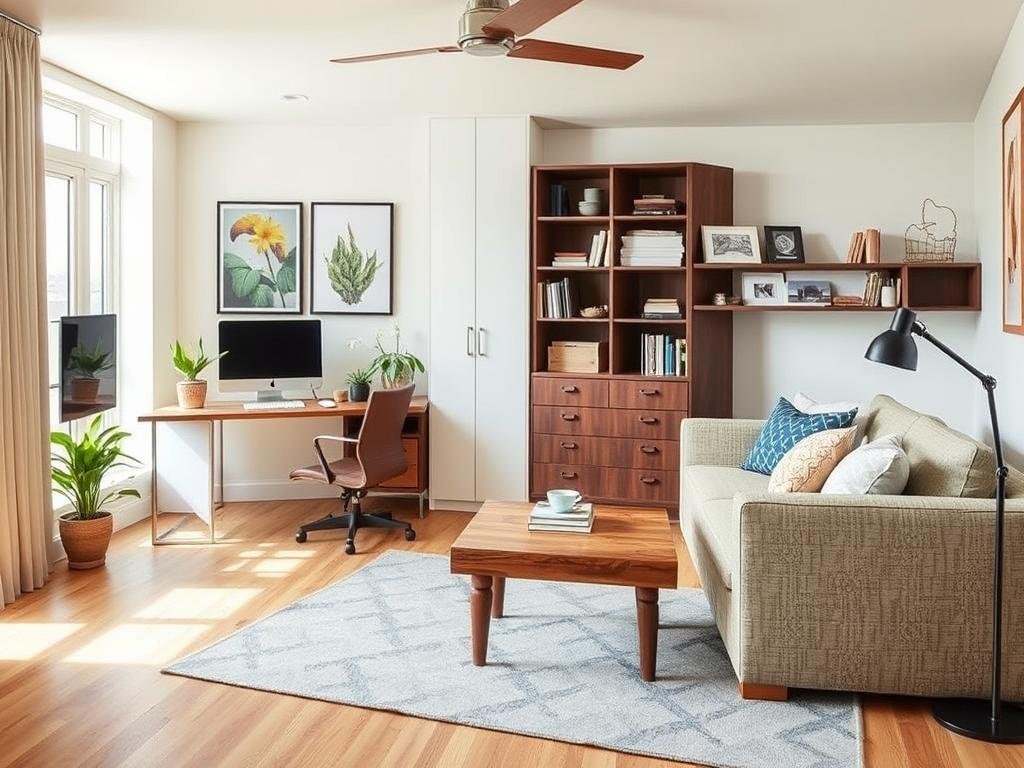
As the heart of most homes, the living room offers numerous opportunities to showcase sustainable design while creating a comfortable gathering space.
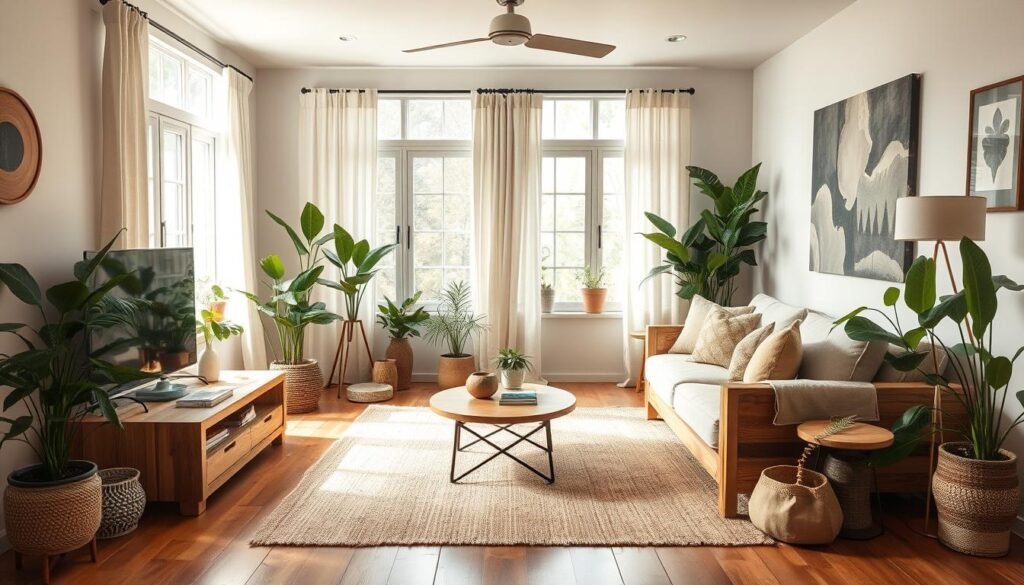
Sustainable Living Room Elements
- Furniture: Choose pieces made from sustainable materials like FSC-certified wood, reclaimed timber, or bamboo. Look for non-toxic upholstery options like organic cotton, hemp, or natural latex cushions.
- Textiles: Layer organic cotton throws, hemp or wool pillows, and natural fiber rugs to add warmth and texture without synthetic materials.
- Lighting: Maximize natural light with sheer window treatments, and supplement with energy-efficient LED fixtures in multiple layers (ambient, task, and accent lighting).
- Decor: Incorporate plants for air purification and visual appeal. Choose artwork and accessories made from sustainable materials or vintage/second-hand finds.
Quick Sustainable Updates
Not ready for a complete redesign? These simple changes can make your living room more sustainable:
- Replace conventional candles with beeswax or soy versions with cotton wicks
- Swap synthetic throw pillows for covers made from organic or recycled materials
- Add air-purifying plants in recycled or natural material planters
- Replace incandescent bulbs with LEDs in existing fixtures
- Use natural fabric slipcovers to refresh existing furniture
Kitchen
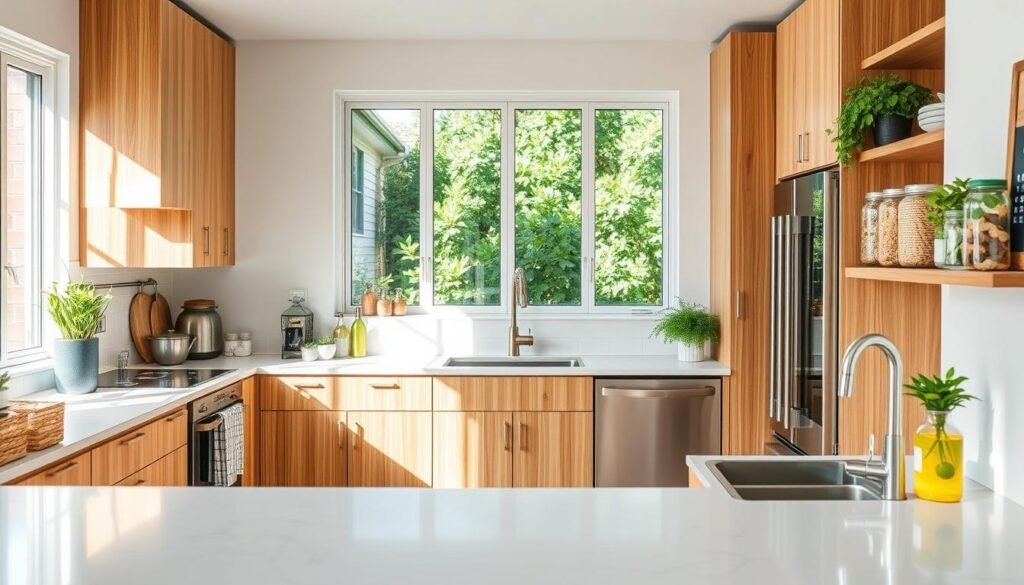
As one of the most resource-intensive rooms in the home, the kitchen offers significant opportunities for sustainable improvements that can reduce environmental impact while creating a healthier cooking space.
Sustainable Kitchen Elements
- Cabinetry: Choose formaldehyde-free options made from sustainable materials like bamboo, FSC-certified wood, or even recycled materials. Consider refinishing existing cabinets instead of replacing them.
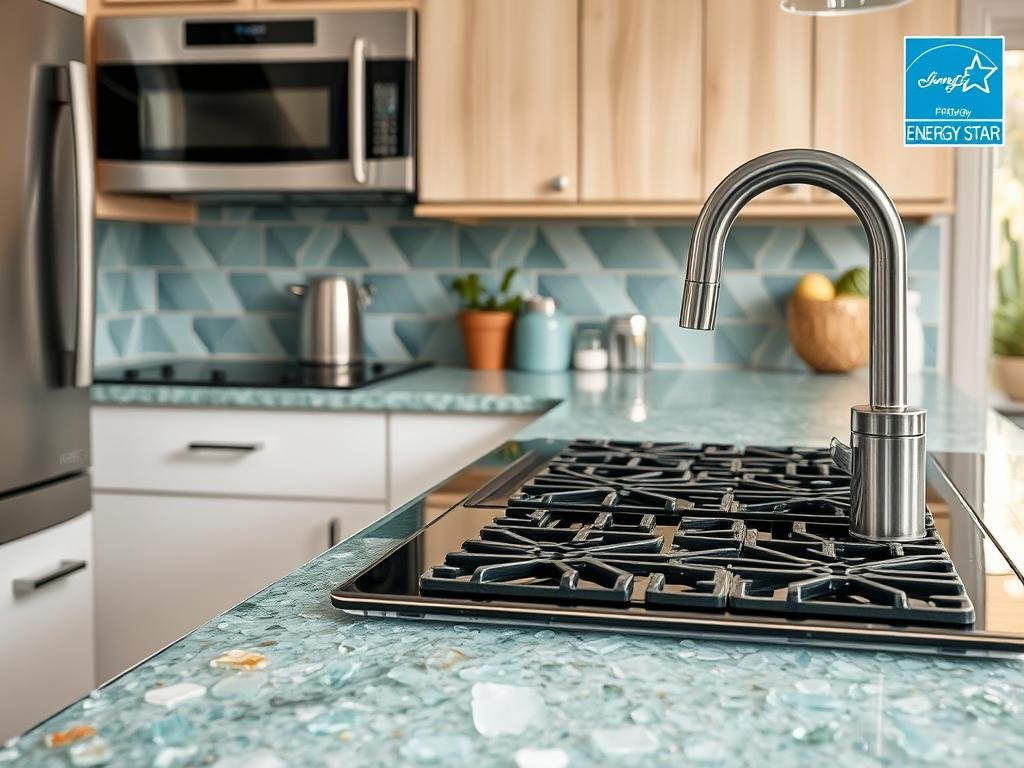
- Countertops: Explore options like recycled glass, reclaimed wood, sustainably quarried stone, or innovative materials made from recycled paper or bamboo composite.
- Appliances: Select energy-efficient, ENERGY STAR certified models that reduce electricity and water consumption. Consider the size—appropriately scaled appliances use fewer resources.
- Fixtures: Install low-flow faucets with aerators that reduce water usage without sacrificing performance.
Zero-Waste Kitchen Organization
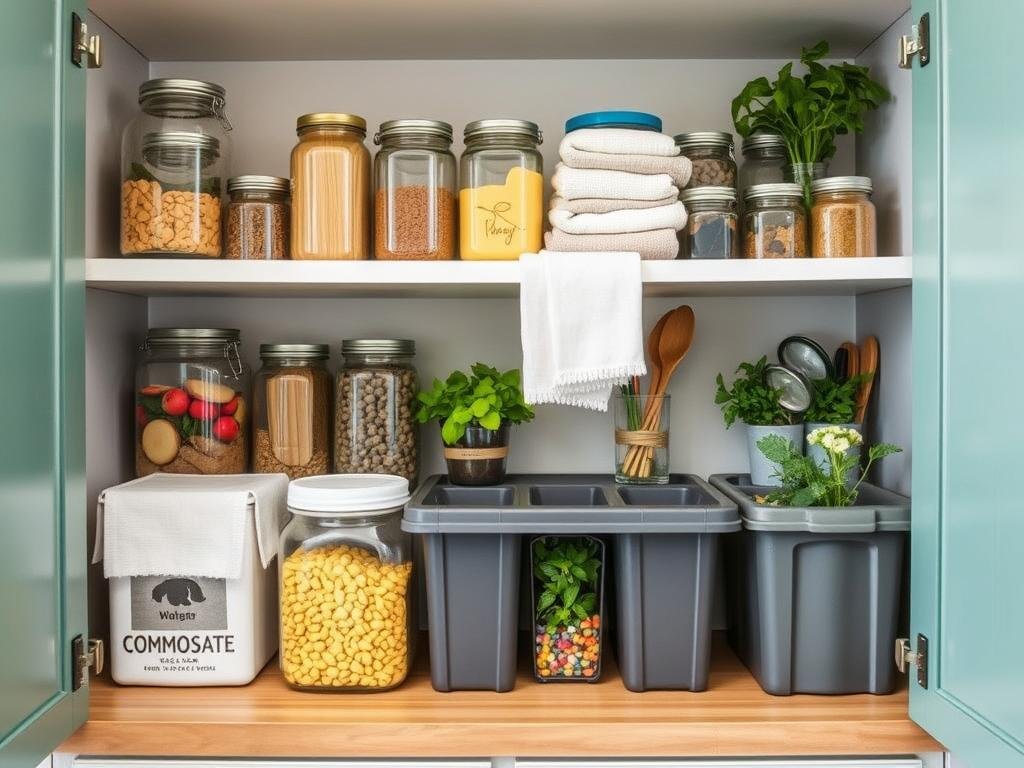
Sustainable design extends to how you organize and use your kitchen. These strategies reduce waste while creating a more functional space:
- Use glass jars and containers for food storage instead of plastic
- Create a dedicated composting station for food scraps
- Install a pull-out recycling center with separate bins
- Grow herbs in a small indoor garden for fresh cooking ingredients
- Use reusable cloth towels instead of paper products
Bedroom
As your personal sanctuary for rest and rejuvenation, the bedroom should be a healthy, peaceful space free from toxins and environmental stressors.
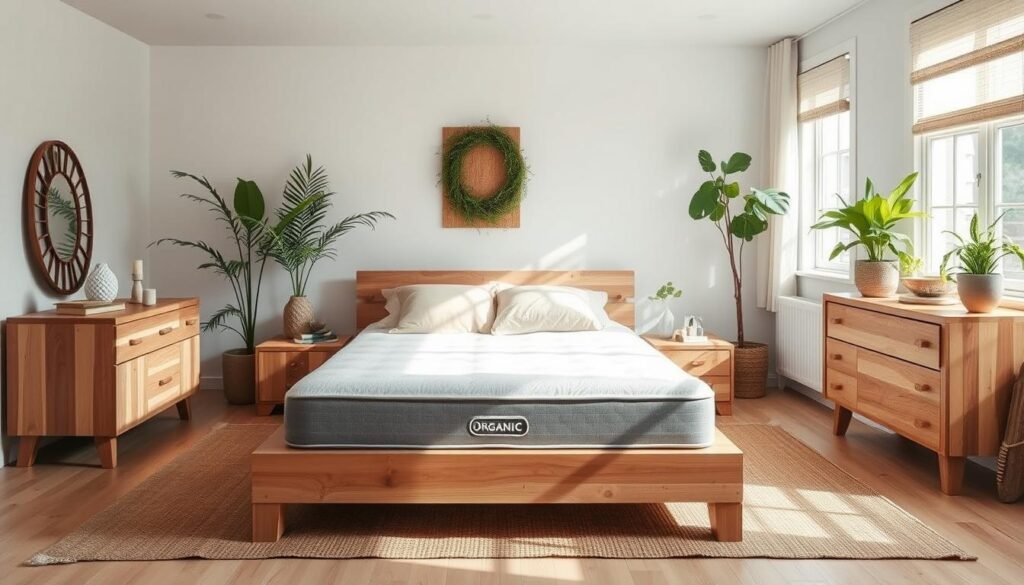
Sustainable Bedroom Elements
- Bedding: Choose organic cotton, linen, or hemp sheets and duvet covers. These natural fibers are breathable, free from harmful chemicals, and biodegradable at the end of their life.
- Mattress: Invest in an organic or natural mattress made from materials like natural latex, organic cotton, or wool, without the flame retardants and petroleum-based foams found in conventional options.
- Furniture: Select pieces made from sustainable or reclaimed wood, finished with non-toxic stains or oils. Antique or vintage furniture often offers exceptional quality and character.
- Air Quality: Include air-purifying plants like snake plants or peace lilies that continue to filter air while you sleep. Avoid synthetic fragrances in favor of essential oils or natural beeswax candles.
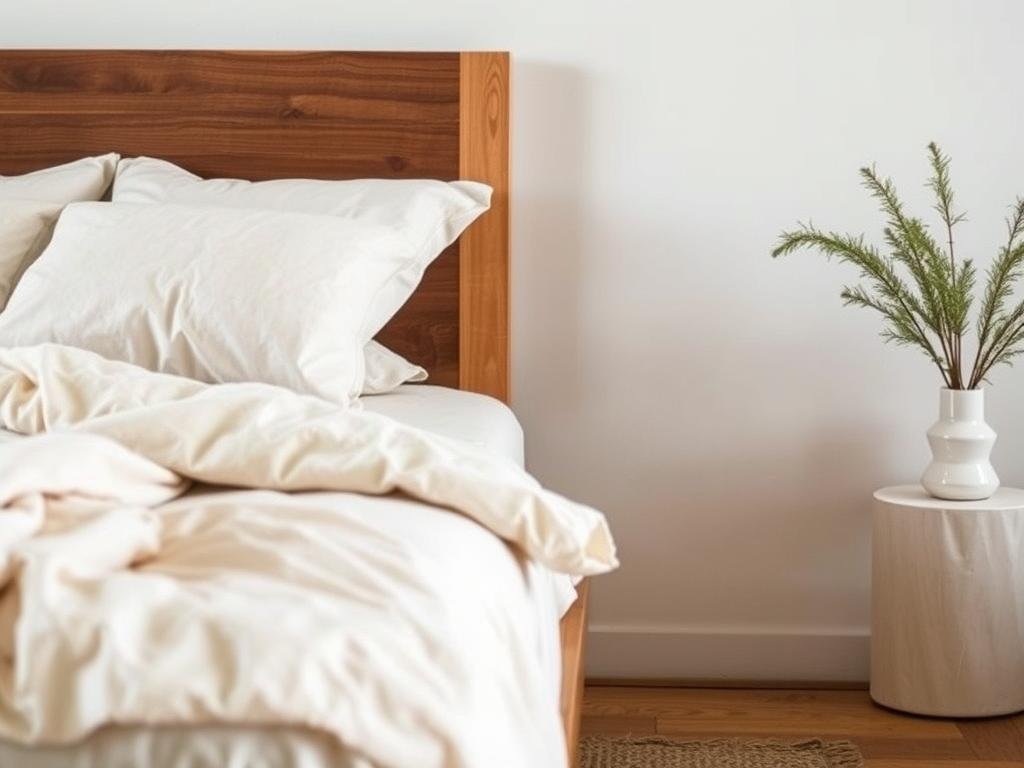
Creating a Sleep Sanctuary
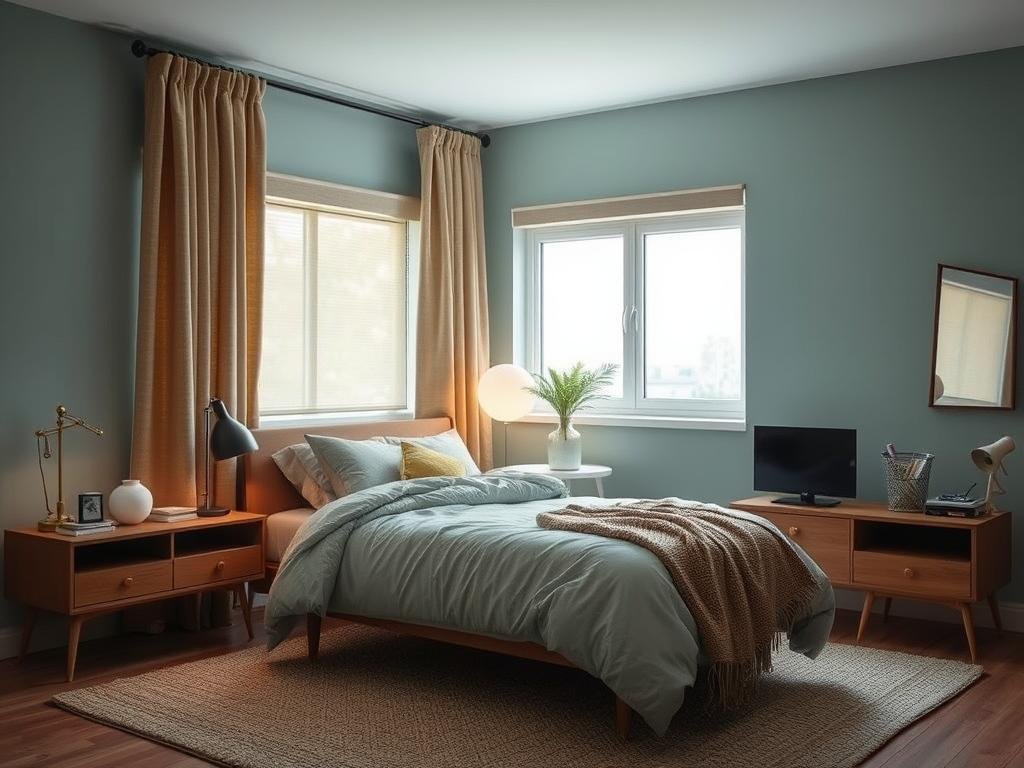
Sustainable design can enhance sleep quality by addressing environmental factors that affect rest:
- Use blackout curtains made from natural fibers to block light pollution
- Choose natural materials that regulate temperature and moisture
- Minimize electronics that emit blue light and electromagnetic fields
- Incorporate calming colors derived from natural, non-toxic paints
- Use sound-absorbing materials like cork or wool to reduce noise
Bathroom
Though typically smaller than other rooms, bathrooms often use disproportionate amounts of water and energy. Sustainable bathroom design addresses these resource challenges while creating a spa-like retreat.
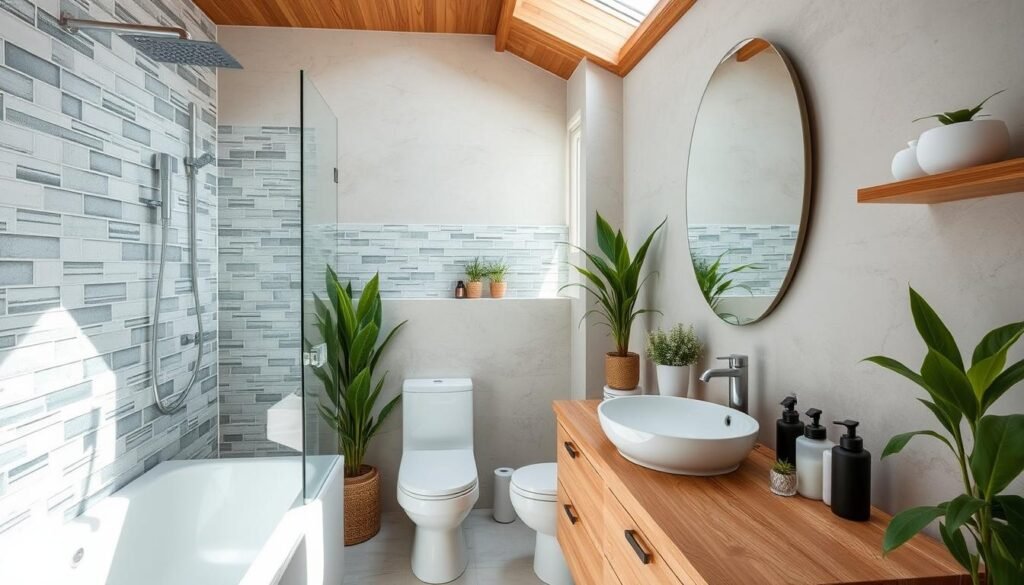
Sustainable Bathroom Elements
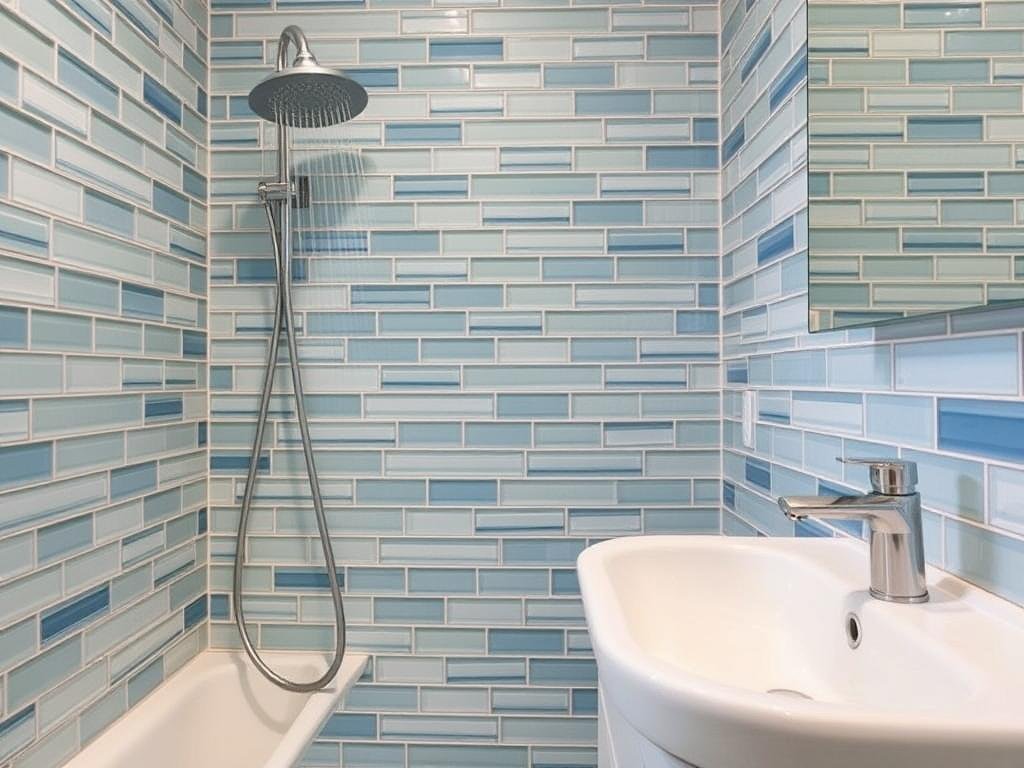
- Water Fixtures: Install low-flow showerheads, faucet aerators, and dual-flush toilets to dramatically reduce water consumption without sacrificing performance.
- Surfaces: Choose recycled glass tiles, sustainably harvested stone, or reclaimed wood for countertops and flooring. These materials stand up to moisture while reducing environmental impact.
- Ventilation: Proper ventilation prevents mold and mildew, extending the life of your bathroom materials. Consider energy-efficient fans with humidity sensors or natural ventilation when possible.
- Storage: Select cabinetry made from sustainable materials like bamboo or reclaimed wood, finished with water-resistant natural oils or low-VOC sealants.
Reducing Bathroom Waste
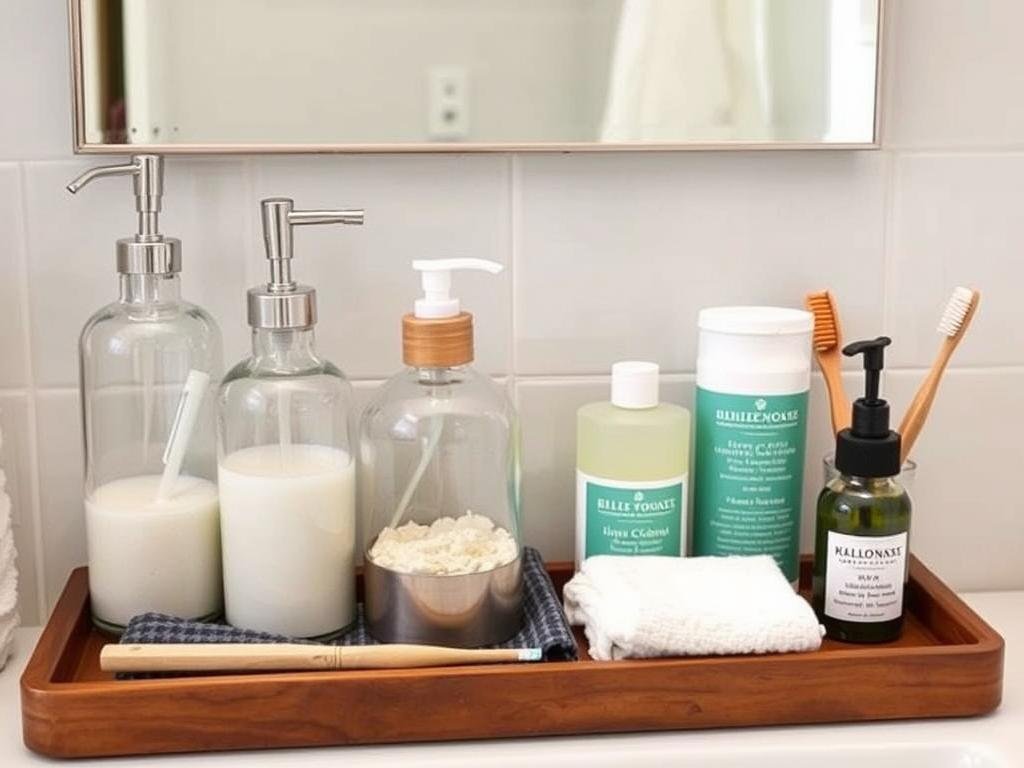
Beyond the fixed elements, sustainable bathroom design includes strategies for ongoing waste reduction:
- Replace single-use products with reusable alternatives (cloth towels, safety razors, etc.)
- Install refillable dispensers for soap, shampoo, and conditioner
- Choose plastic-free, biodegradable personal care products
- Use natural cleaning products that won’t pollute water systems
- Collect “warm-up” shower water in a bucket for plants
Sustainable Design Practices and Mindset
Beyond specific materials and products, sustainable interior design encompasses a mindset and approach that values quality over quantity, longevity over trends, and mindful consumption over impulse purchases.
The “Less is More” Approach
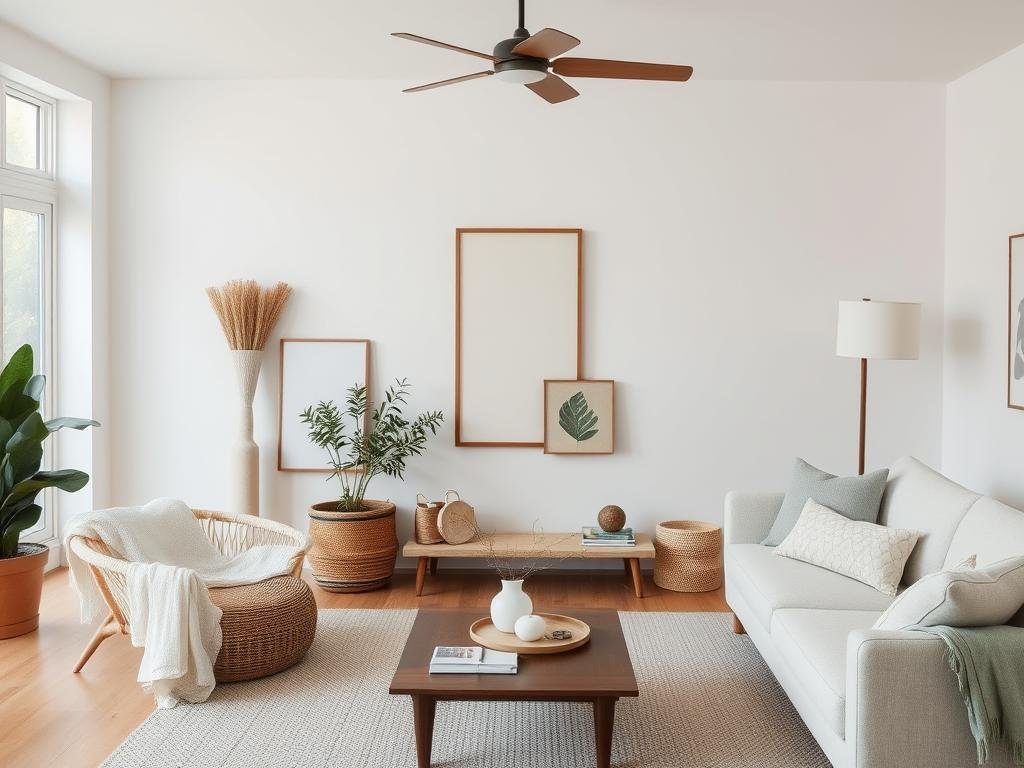
Embracing minimalism doesn’t mean creating stark, empty spaces. Rather, it’s about being intentional with what you bring into your home, choosing quality over quantity, and allowing each item room to breathe and be appreciated.
Curating vs. Collecting
Instead of accumulating objects, curate your possessions thoughtfully. Ask whether each item serves a purpose (functional or aesthetic) and brings you joy. This approach naturally leads to more sustainable choices as you become more selective about what deserves space in your home.
Multifunctional Design
Spaces and furniture that serve multiple purposes allow you to live comfortably with less. Consider convertible furniture, rooms that adapt to different activities, and storage solutions that maximize functionality without expanding your footprint.
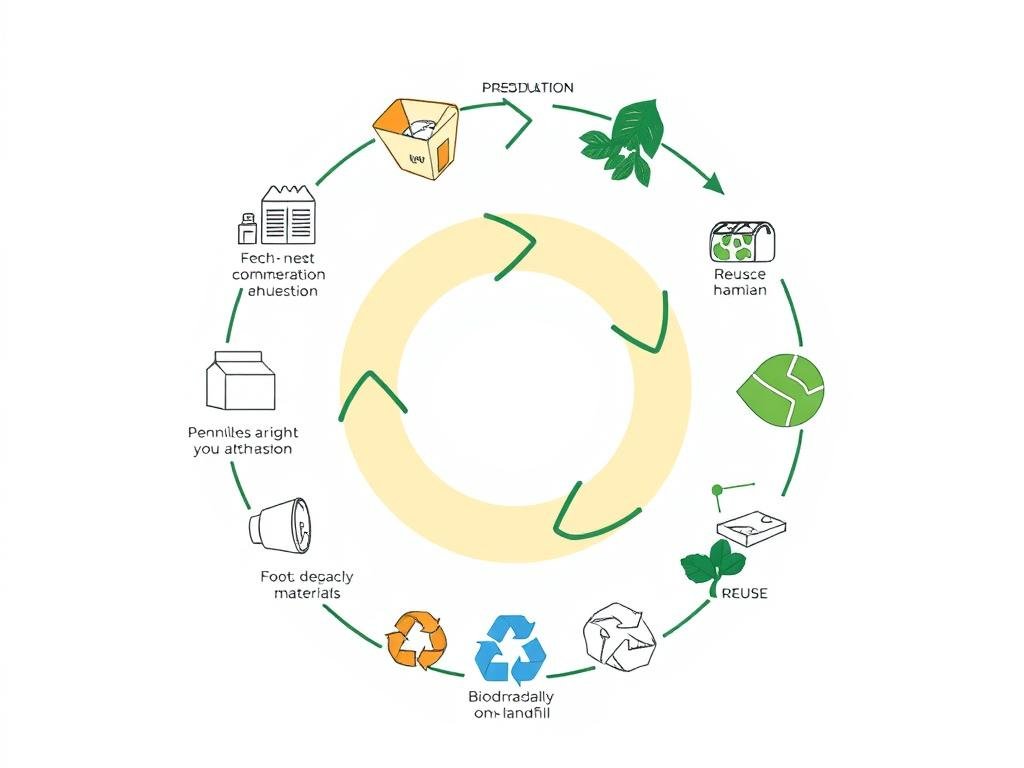
Circular Design Thinking
Linear consumption (buy, use, dispose) is giving way to circular thinking that considers the entire lifecycle of products and materials, from sourcing to eventual reuse or biodegradation.
Design for Longevity
Choose materials and designs that age beautifully and can be repaired rather than replaced. Natural materials like wood, stone, and quality metals often develop character over time, while many synthetic materials degrade and look dated quickly.

End-of-Life Planning
When selecting materials and products, consider what will happen when they eventually need to be replaced. Can they be recycled, composted, or repurposed? Materials that can return to the earth or be transformed into new products complete the circular economy loop.
DIY and Upcycling
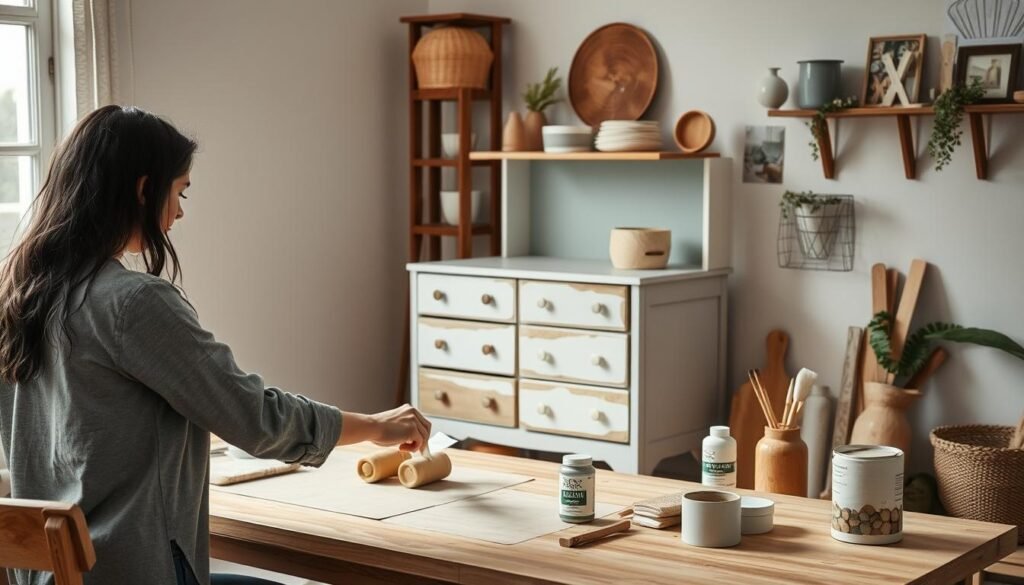
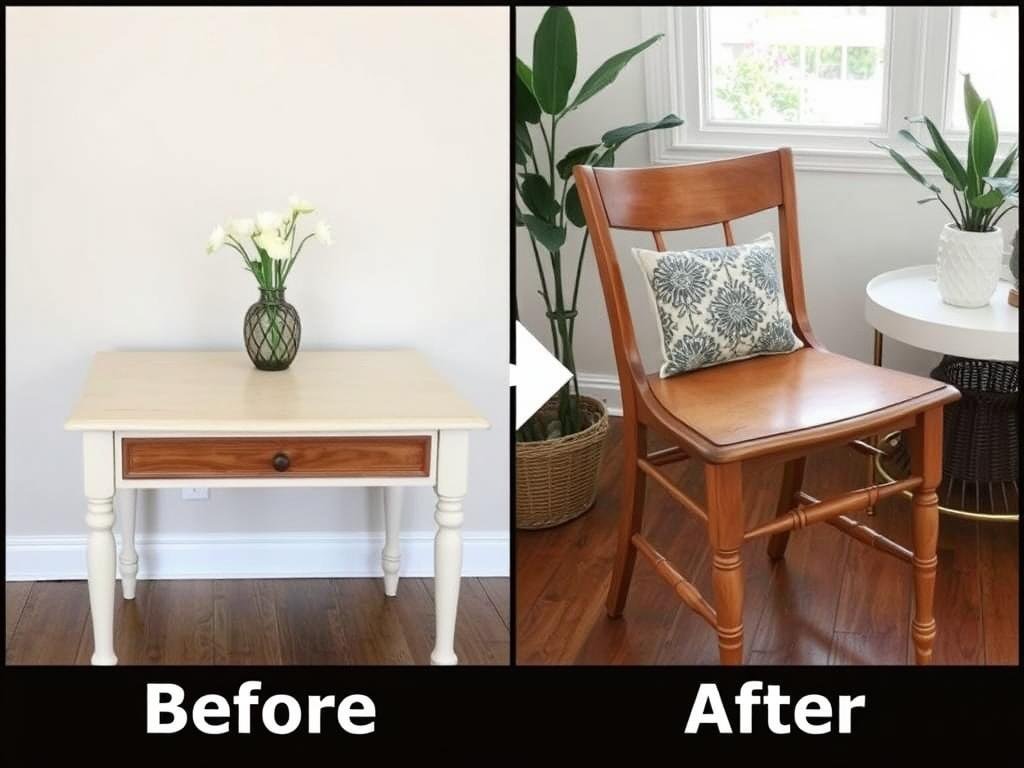
Getting hands-on with your interior design through DIY projects and upcycling not only reduces waste but creates spaces with personal meaning and unique character.
Simple Upcycling Projects
Even if you’re not particularly crafty, there are accessible ways to give new life to existing items:
- Refinish wood furniture with natural oils or non-toxic paint
- Reupholster chair seats with sustainable fabrics
- Transform glass jars into storage containers or vases
- Create artwork from natural or reclaimed materials
- Repurpose vintage items for new functions (e.g., ladder as bookshelf)
Community Resources
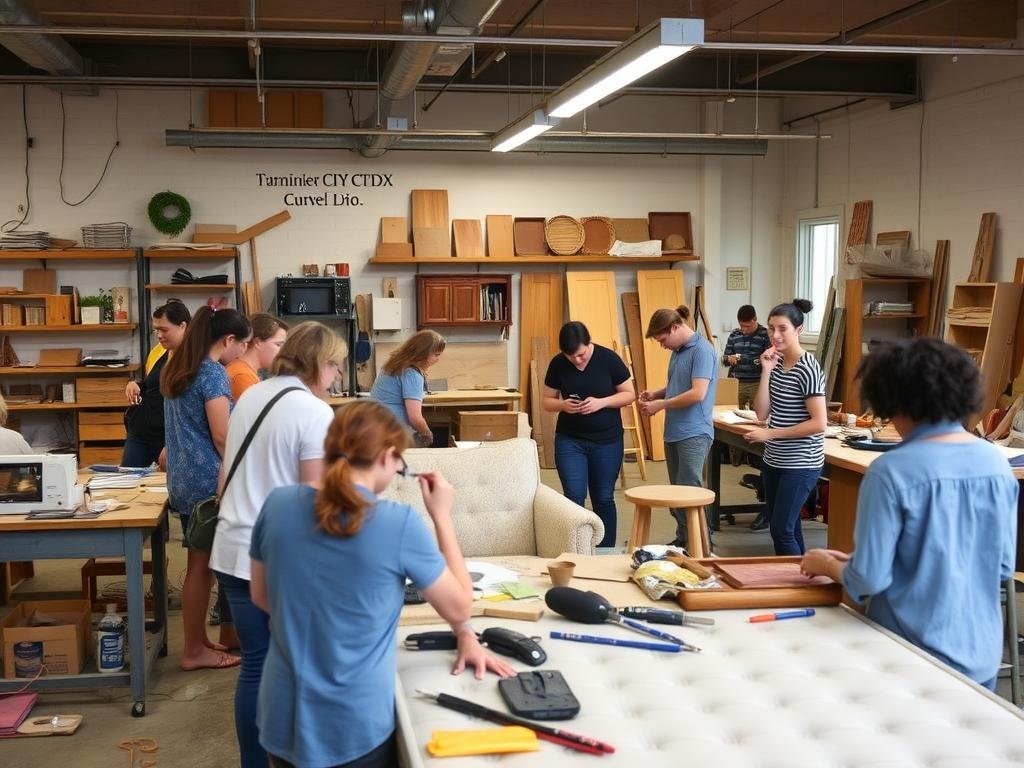
Connect with local resources that support sustainable DIY projects:
- Tool libraries where you can borrow rather than buy equipment
- Skill-sharing workshops to learn furniture restoration or upholstery
- Architectural salvage yards for unique building materials
- Creative reuse centers that collect and sell art supplies
- Local craftspeople who can help with more complex projects
Remember: Sustainable design is a journey, not a destination. You don’t need to transform your entire home overnight. Start with what inspires you most, and make thoughtful choices as opportunities arise for updates or replacements. Each sustainable choice builds on the last, creating a home that’s better for you and the planet.
Embracing the Sustainable Design Journey
Creating a sustainable home is both a personal journey and a contribution to our collective environmental wellbeing. By making thoughtful choices about the materials, products, and practices you bring into your space, you’re crafting a home that reflects your values while reducing your ecological footprint.

Start Where You Are
Remember that sustainability isn’t about perfection—it’s about progress. You don’t need to overhaul your entire home at once. Begin with what inspires you most, whether that’s introducing plants for better air quality, switching to energy-efficient lighting, or shopping secondhand for your next furniture piece.
Every Choice Matters
Each sustainable decision, no matter how small, contributes to a larger impact. As you replace items that have reached the end of their useful life, choose options that align with sustainable principles. Over time, these choices accumulate to create a home that’s healthier for you and kinder to the planet.
Find Your Personal Balance
Sustainable design looks different for everyone. Some may prioritize energy efficiency, while others focus on natural materials or waste reduction. There’s no one-size-fits-all approach—the key is finding the balance that works for your lifestyle, budget, and values.
We hope this guide has inspired you to explore the beautiful possibilities of sustainable interior design. By blending environmental consciousness with creativity and personal expression, you can create a home that nurtures both you and the planet for years to come.
Keep Reading
If you want to go deeper on any one part of this, we have longer guides on sustainable home decor and repurposing everyday items, choosing eco-friendly home accents, decorating with natural elements you can gather for free, handmade projects that cut household waste, and putting an eco-friendly interior together room by room. Start with whichever one matches what is already sitting in your house.
Ready to start your sustainable design journey?
Subscribe to our newsletter for monthly tips, inspiration, and updates on the latest in sustainable interior design. Plus, get our free guide “10 Sustainable Swaps for Every Room” as a welcome gift!
Want personalized advice for your space? We offer virtual consultations to help you create a sustainable home that reflects your unique style and needs.